

5 Pound Line Sourcing Mistakes That Cost You Money

UK retailers are facing price-conscious consumers who demand quality, not just low prices. While inflation has stabilised, value remains king as we head into Q4 2026. The recent restructuring of major players like Poundstretcher and Bargain Buys signals a consolidation in the pound retail landscape, meaning smart sourcing is more critical than ever. Many independent shops, market traders, and online sellers make common errors that cost them significant profit. Here are five mistakes you must stop making right now.
1. Buying the Absolute Cheapest Version of Every Line
Many retailers fall into the trap of believing that the lowest unit cost always equals the highest profit. This is a myth that costs money. As an experienced wholesaler, we've seen countless times that buying the cheapest version of a line usually costs more in the long run. Returns and dead stock wipe out any initial saving. Consumers are savvier than ever; they expect a baseline of quality, even at a pound price point.
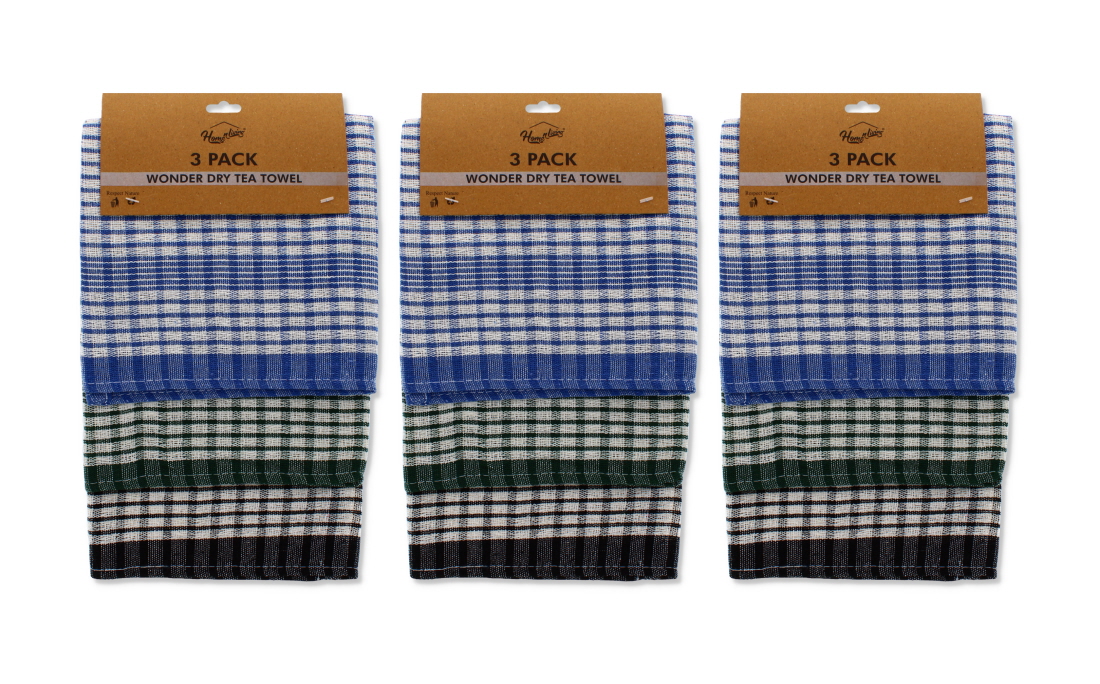
The Fix: Focus on perceived value. A product might cost you 30p instead of 20p, but if its quality means fewer returns and happier customers who buy again, your net profit is higher. Consider items like the Wonder Dry Tea Towels 3 Pack High Absorbency. These are not the absolute cheapest tea towels on the market, but their superior absorbency and pack size offer undeniable value, leading to repeat purchases and fewer complaints. Look for items that feel substantial, are well-packaged, or offer a clear functional benefit for their price. This also helps with multi-channel sales on platforms like TikTok Shop, where visual appeal and demonstrable utility drive impulse buys.
Featured Wholesale Products
2. Ignoring Seasonal Demand Spike Timing and Pre-Buying Windows
Most independent retailers buy seasonal stock too late. The money is made by ordering while the season is still a month or two away, securing better prices and ensuring stock availability. While many guides mention Easter, Halloween, and Christmas peaks, they rarely provide a practical calendar of when to source specific categories or how early to buy. This operational intelligence is crucial for success.
The Fix: Implement a proactive seasonal buying calendar. For instance, if you want to capitalise on August Bank Holiday sales, you should be placing orders for outdoor and party supplies by June. For Q4 success, September purchasing signals strong sales for toys & games, DIY, and seasonal items like Christmas decorations. Lead times for imported goods can be weeks, so planning ahead is non-negotiable. Remember, Gem Imports, for example, stocks over 5,500 products and continuously expands its range to meet current market trends, but even they need lead time to get popular lines in quantity.
3. Stocking Wide and Shallow Instead of Narrow and Deep
A common mistake, particularly for new retailers or those expanding their pound line offering, is to try and stock a little bit of everything. This results in diluted inventory, slow-moving lines, and often, out-of-stock notices for popular items. A shop owner should buy narrow and deep on proven sellers, not wide and shallow across novelty lines.
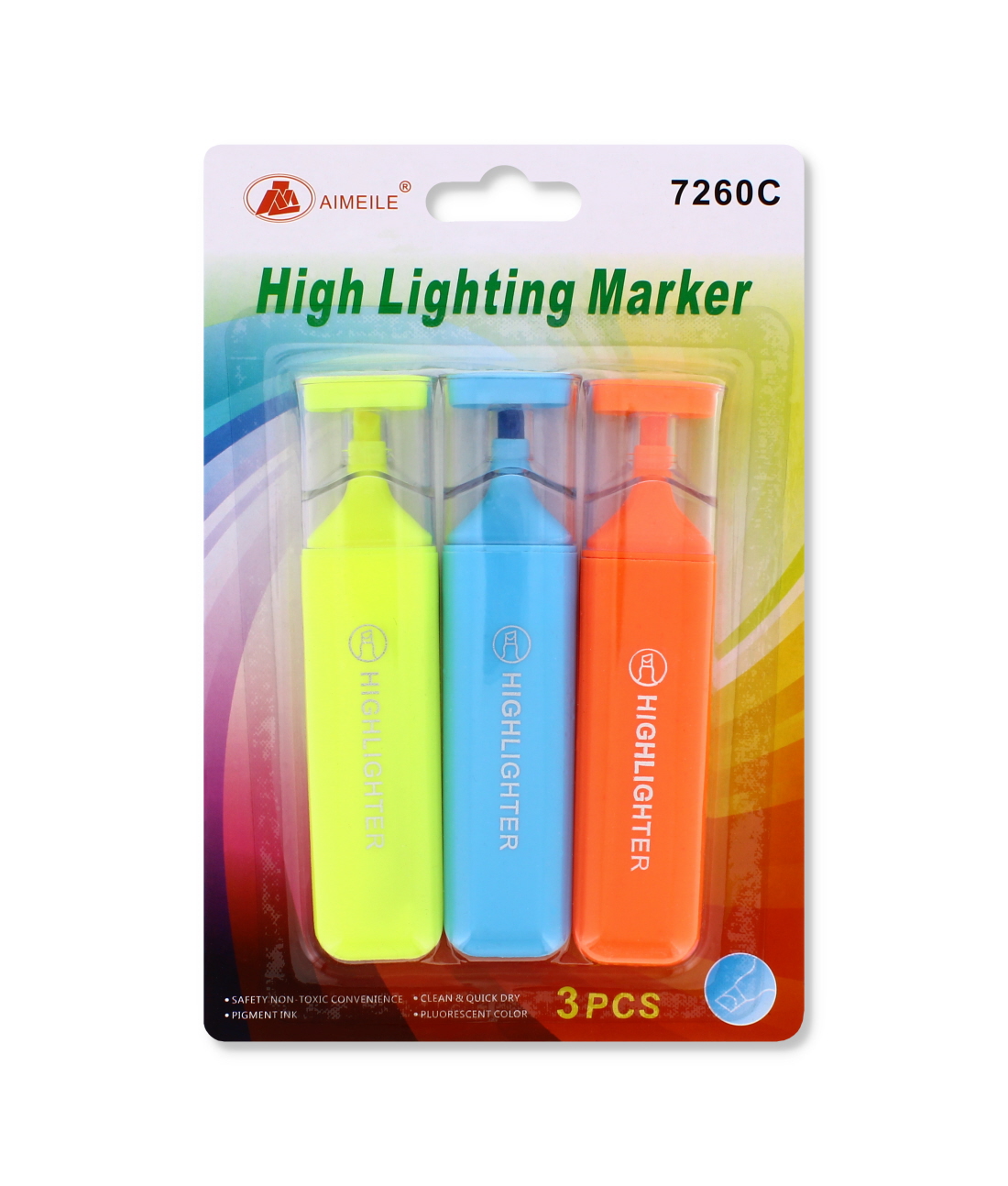
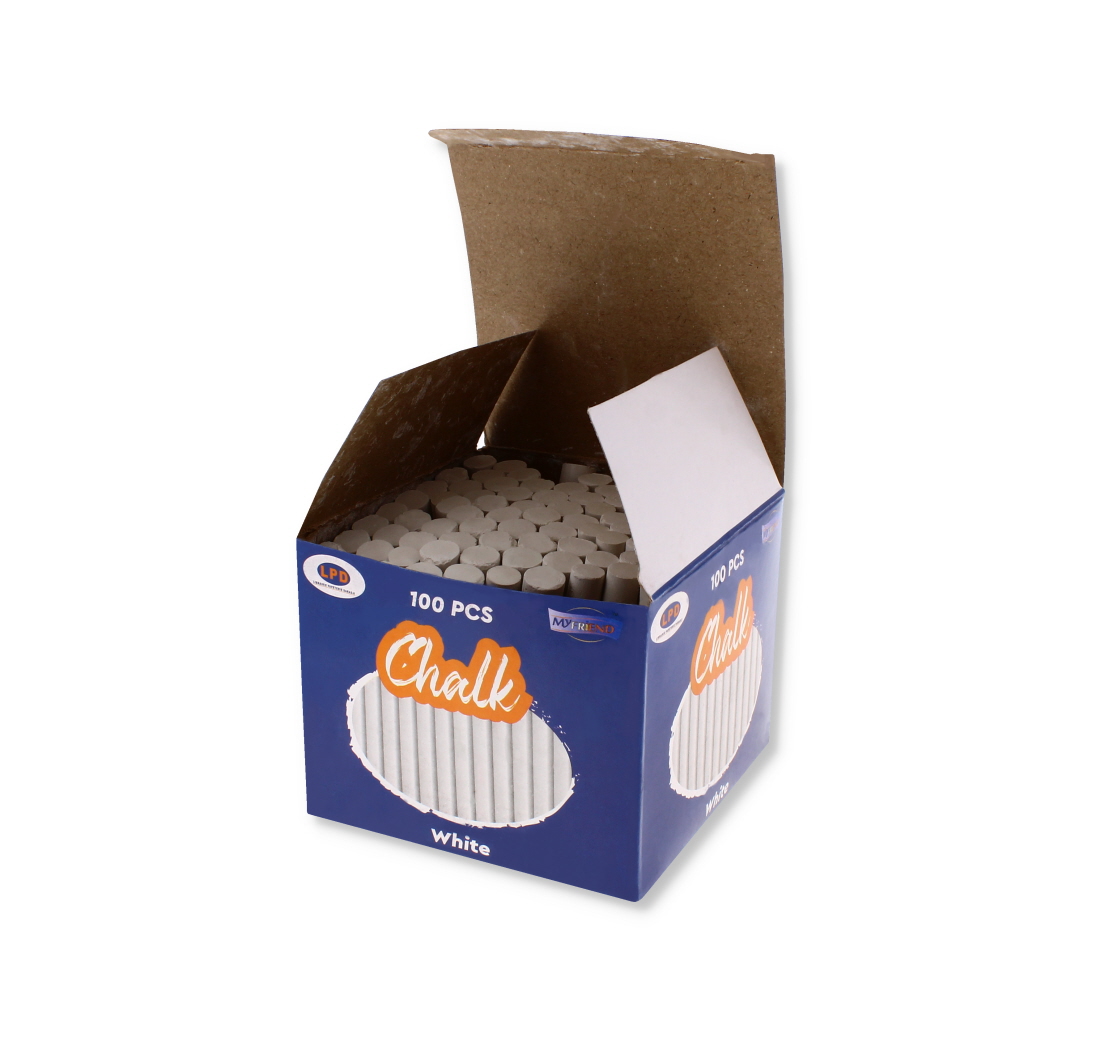
The Fix: Identify your core best-sellers and double down on them. Use sales data to understand what truly moves. If stationery is a strong category for you, ensure you have plenty of staple items like the 3 Pack High Lighting Markers Fluorescent Ink or the 100 Pcs Chalk Set Dustless High-grade- White. These are consistent sellers. By focusing your buying power, you can often negotiate better bulk pricing and ensure you always have stock of what customers want. This strategy also reduces the risk of dead stock that ties up capital.
4. Underestimating the True Cost of Postage for Low-Value Items
For online sellers, especially those using platforms like Amazon or TikTok Shop, postage costs can easily exceed the product cost, wiping out any potential profit on low-priced items. This is a critical oversight when planning a pound lines strategy and can derail profitability.
The Fix: When sourcing, always factor in the 'landed cost' per item, not just the wholesale price. This includes shipping, packaging, and any platform fees. For low-value items, consider bundling them into multi-packs or offering them as add-on purchases to increase the average order value. Alternatively, focus your pound line efforts on in-store foot traffic, where postage isn't a factor. For online, explore lightweight, compact items that minimise shipping costs. Rysons, being a Manchester-based wholesaler with a real warehouse, allows trade buyers to collect in person, eliminating shipping costs entirely for local businesses.
5. Confusing Clearance with Genuine Value
There's a significant difference between true clearance and simply buying low-quality, unbranded items. Many retailers mistakenly believe that any cheap product is a good deal. A good clearance line is branded stock at a low price, not low-quality stock at a low price. The latter often leads to customer dissatisfaction and returns, damaging your reputation.
The Fix: Be discerning with your clearance purchases. Look for well-known brands or high-quality generic items that are being cleared due to overstock, end-of-line, or seasonal changes, rather than inherent flaws. Check for clear branding like Rysons' own registered brands such as Jayting or Fig & Olive, which offer a level of quality assurance. True value comes from offering customers a product that feels like a bargain, not just a cheap item. This approach helps maintain customer trust and encourages repeat business, crucial for long-term success.
Your Pound Line Sourcing Checklist for This Week
Take action now to improve your pound line profitability:
- Review Your Best-Sellers: Identify your top 10 pound lines and ensure you have ample stock.
- Map Your Seasonal Calendar: Outline upcoming holidays and events, then set firm order deadlines.
- Calculate Landed Costs: For online sales, re-evaluate your pricing to ensure postage doesn't erode margins.
- Assess Product Quality: Walk your shop floor and critically evaluate if your pound lines offer genuine perceived value.
- Explore New Suppliers: Look for wholesalers who offer no minimum order on most lines, like Rysons, allowing you to test new products with less risk.
Frequently Asked Questions About Pound Line Sourcing
How do I source pound lines that work across multiple channels?
Focus on versatile products with broad appeal, strong visual presence for online platforms like TikTok Shop, and clear utility. Household hacks, cleaning items, and storage solutions are consistently popular across both physical and digital storefronts due to their practical nature and strong impulse buy potential.
Should I use a high-low inventory strategy blending discount and premium lines?
Absolutely. A high-low strategy is highly effective. It allows you to draw in price-conscious customers with strong pound lines while offering opportunities for upsells to higher-margin items. This caters to diverse customer needs and can significantly boost overall basket value.
How do I calculate profitability when postage costs could exceed the product cost?
To accurately calculate profitability, use the 'landed cost' method: (wholesale unit price + shipping cost per unit + packaging cost per unit + platform fees per unit) x desired margin. For very low-priced items, selling them in multi-packs or bundles can help spread the shipping cost across several units, making them more viable for online sales.
By avoiding these common mistakes and adopting a more strategic approach to pound line sourcing, UK retailers can significantly improve their margins and customer satisfaction. Ready to stock smart? Explore Rysons' extensive range of over 5,000 active lines across general merchandise, clearance, and pound lines today at Rysons.com.