

4 Winter Stocking Mistakes Costing Shops Money

The Met Office has confirmed what early November will look like: a foggy weekend for some, followed by high pressure bringing mostly dry weather through early November. Crucially, they predict overnight frost under clear skies and chilly conditions where fog stays. For independent shops and market traders, this period is the first real test of your winter range. However, ordering the wrong profile of winter stock right now will tie up your cash flow just before the Christmas rush.
Retailers across the UK are preparing their shelves for the temperature drop, but many are operating on outdated assumptions about how early-winter demand actually behaves. Here are the four common stocking mistakes that cost retailers money during the first frost of the year, and exactly how to fix them.
4 Winter Stocking Mistakes Costing Shops Money
1. Misreading the November Weather Timeline
The biggest error independent retailers make in early November is the timing risk and sizing mismatch of their car care lines. Retailers stock and order assuming a peak-demand trigger—like a heavy snowstorm or a deep mid-winter freeze. They load up on heavy 750ml de-icer bottles and bulk out their shelves with deep-winter gear. But November's forecast shows fog and scattered frost before any hard freeze.
Featured Wholesale Products
Wholesalers' standard assortment advice rarely addresses when to split your purchasing. If you buy heavy-format de-icer first, you risk overstocking a product that will not move fast enough during the early fog phase, eating into your working capital. Instead, your strategy should be to buy light-format items first to move during the fog phase, then reorder larger formats if the weather models predicting 0°C or below on 12-13 November materialize.
While shops also sell standard de-icer spray to melt morning frost, your auto accessories display needs immediate physical frost removal tools that sell on impulse. Stock up on the Ice Scraper Glove and the Car Windscreen Frost Protector. These lines appeal directly to commuters facing those chilly, foggy mornings where visibility and quick departures are essential. Keep your inventory carrying costs low now, and scale up your heavy winter orders only when the hard freeze is confirmed.
2. Ignoring the Damp Secondary Market
When the Met Office mentions lingering fog and chilly conditions, most retailers instantly think of ice. The myth is that cold weather only drives sales of thermal wear and ice scrapers. The reality is that fog and dropping temperatures bring severe dampness into UK homes, creating an immediate, high-volume market for moisture control.
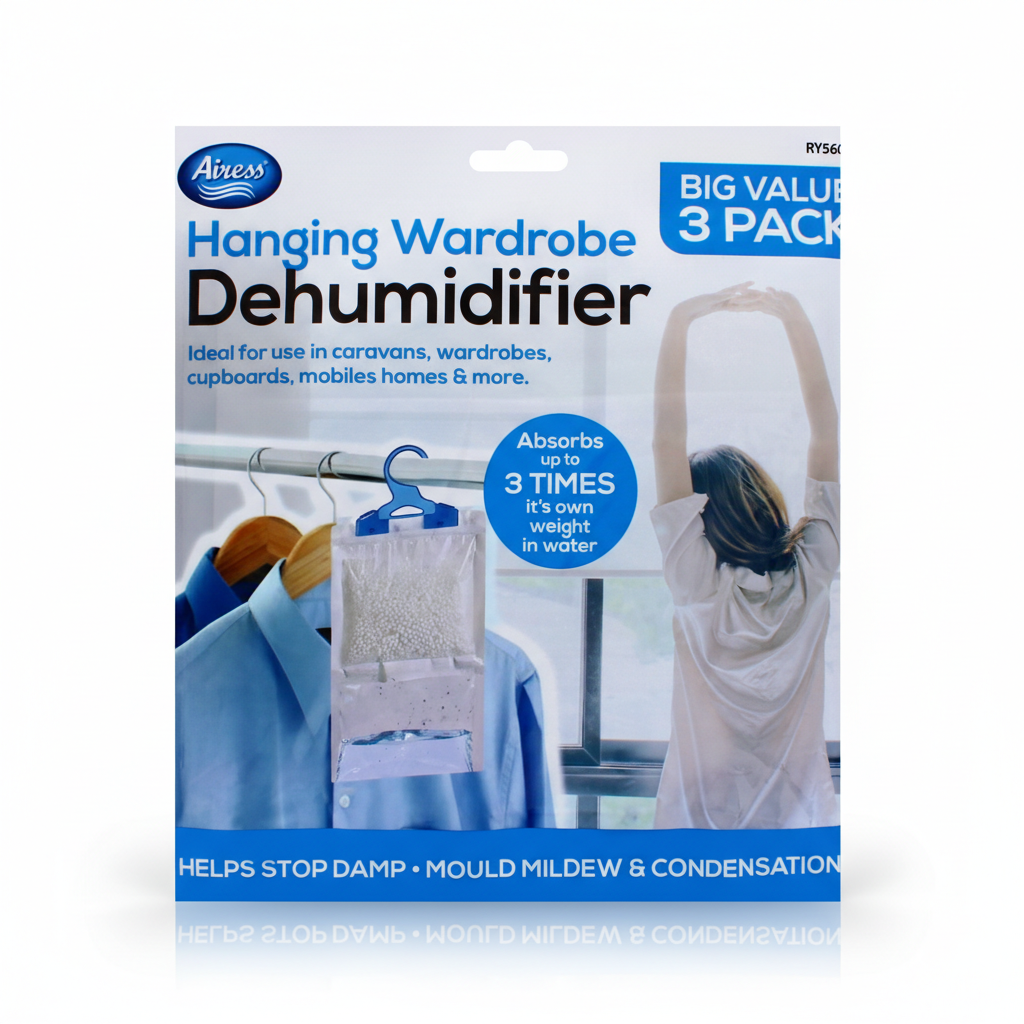
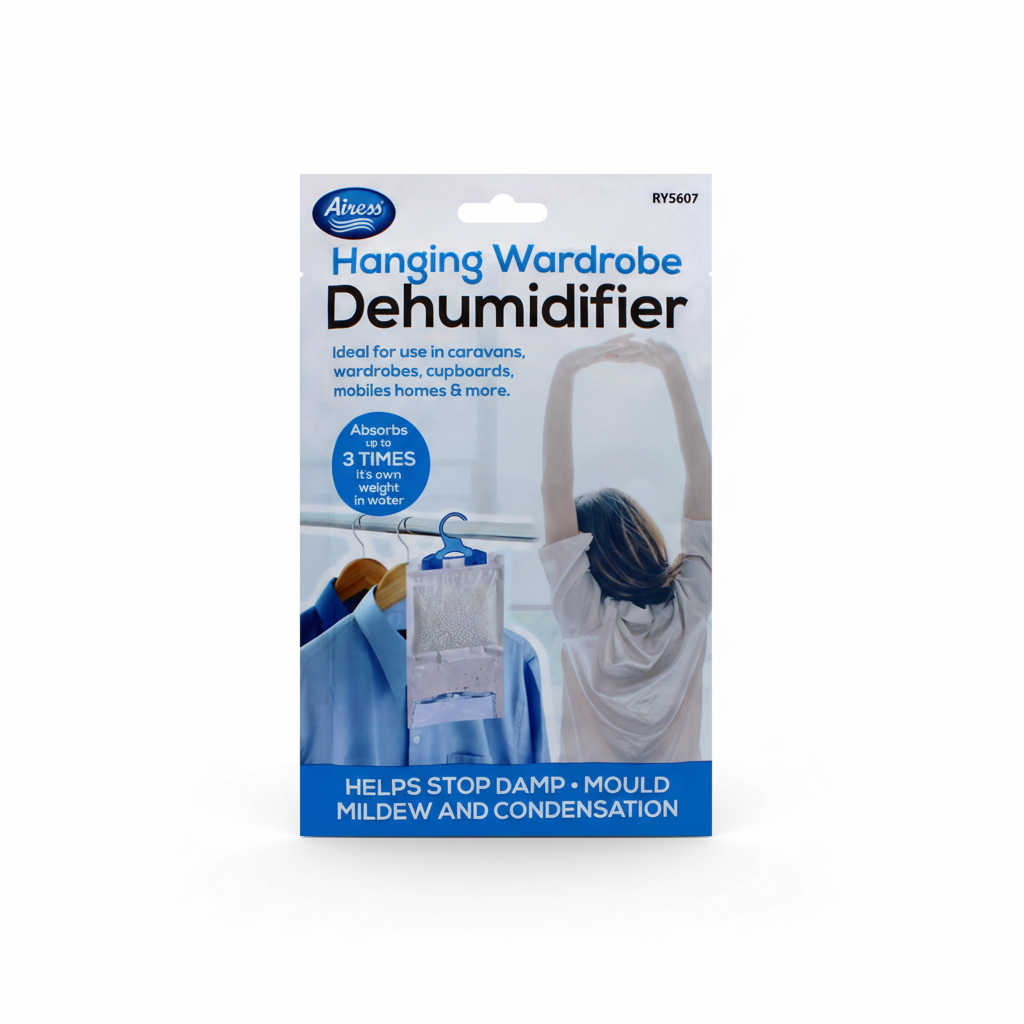
As heating gets turned on and windows stay shut, condensation becomes a daily battle for your customers. This is where high-margin household consumables become essential. You must stock the Unscented Hanging Wardrobe Dehumidifier 3 Pack and the single Unscented Hanging Wardrobe Dehumidifier. These are proven, fast-moving items in our household range. They take up minimal shelf space, offer a clear solution to a seasonal problem, and generate repeat footfall as customers return to replace them throughout the winter.
3. Waiting for Severe Weather to Buy Core Lines
Seasonal stock is bought too late by most independents — the money is made by ordering while the season is still a month away. Waiting for the first morning of minus temperatures to order your hot water bottles and winter gear means you will miss the initial spike in consumer panic-buying. By the time your late delivery arrives, the local supermarket has already captured the early sales.
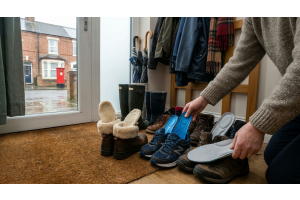
Your seasonal items need to be front and centre right now. As a family-run business that has traded for over 40 years as an importer and distributor in Manchester, we see this pattern every year. The shops that win are the ones with Hot Water Bottles, Fleece Thermal Insoles, and Double Draught Excluders already merchandised by the till point before the frost hits. Because we have no minimum order for most lines, small shops and new online sellers can easily test these core winter ranges without committing thousands of pounds upfront.
4. Forgetting Outdoor Hardware
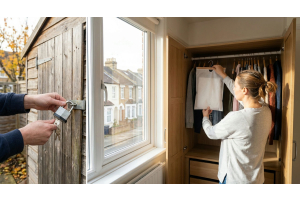
The final myth is that winter weather only affects cars and people. Chilly conditions and overnight frost wreak havoc on outdoor hardware. Cheap, unprotected padlocks on garden sheds, side gates, and lockups freeze solid or begin to rust aggressively during the damp November fogs.
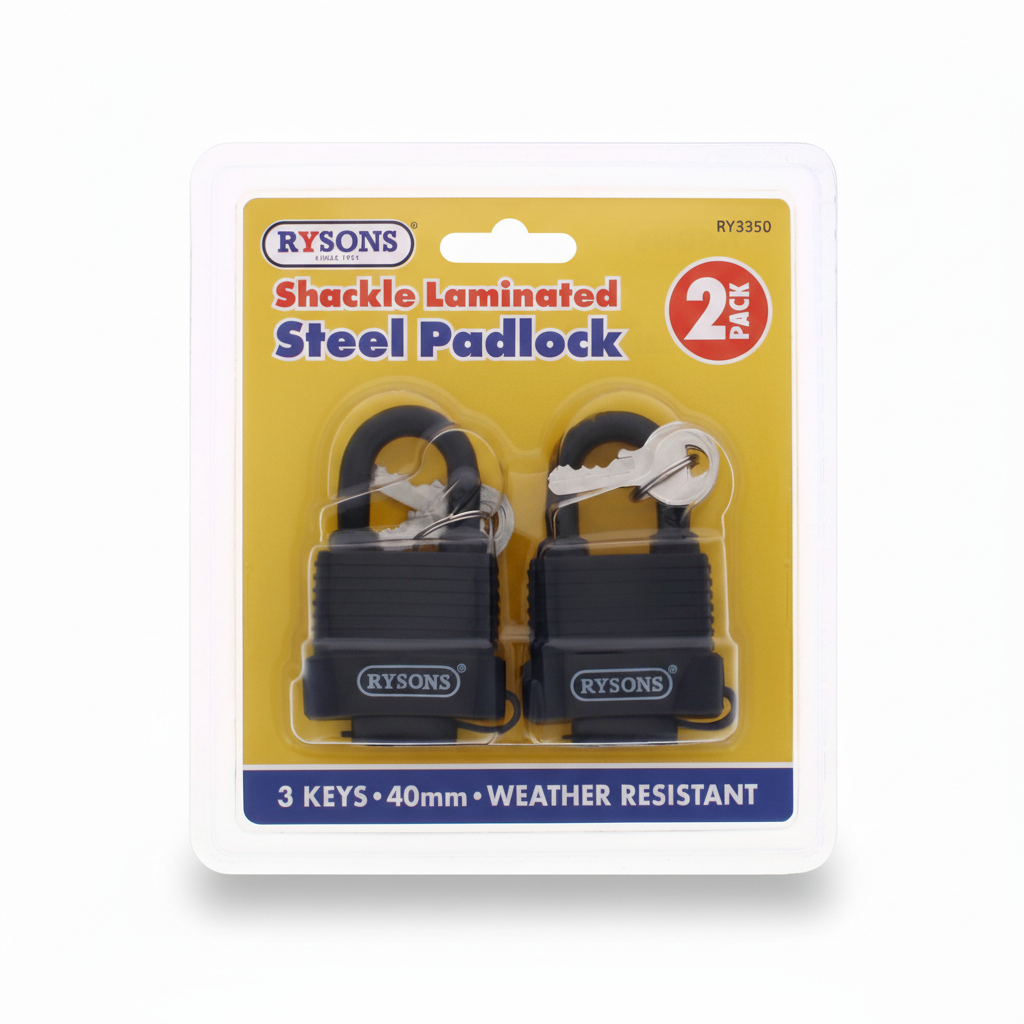
This creates a predictable replacement cycle that savvy hardware and DIY retailers anticipate. Move away from basic indoor locks and ensure your tools and hardware section features weather-proof alternatives. The Shackle Laminated Steel Padlock 2 Pack 3 Keys Weather Resistant 40mm is exactly the type of robust, frost-resistant line that customers will actively seek out after struggling with a frozen shed lock on a frosty morning. Buying the cheapest version of a line usually costs more in the long run, as returns and dead stock wipe out the initial saving. Stocking a proper weather-resistant padlock provides your customers with genuine value.
The Early November Stock Checklist
To capitalise on the Met Office forecast for early November, audit your current stockroom against this immediate action list:
- Prioritise light frost removal: Ensure Ice Scraper Gloves and Windscreen Frost Protectors are positioned near the entrance. Do not tie up all your cash in heavy de-icer sprays until the mid-November freeze is confirmed.
- Merchandise damp prevention: Hang Unscented Hanging Wardrobe Dehumidifiers (both single and 3-packs) on clip strips near your heating or laundry aisles.
- Bring thermals forward: Move Hot Water Bottles and Fleece Thermal Insoles to high-visibility endcaps before the weekend frost hits.
- Upgrade outdoor security: Check your hardware display and ensure weather-resistant 40mm laminated padlocks are clearly marked as suitable for winter outdoor use.
Frequently Asked Questions
How should I balance early-stage frost risk with inventory carrying costs?
Buy narrow and deep on proven early-winter sellers. Focus your immediate spend on physical frost tools, damp prevention, and wearable warmth. Hold back a portion of your seasonal budget for heavy-duty winter lines until the forecast confirms a prolonged period of sub-zero temperatures.
What is the shelf-velocity difference between early and late winter stock?
Items like dehumidifiers, draught excluders, and light frost protectors have a steady shelf-velocity throughout the colder months. Heavy emergency items, such as large de-icer bottles or snow shovels, sit idle until a specific weather event triggers a massive, short-lived spike in demand.
Can I order these items in small quantities to test local demand?
Yes. Rysons operates from a real warehouse in Manchester where trade buyers can collect in person, and we ship across the UK. With no minimum order on most lines, you can order exactly what you need for this specific weather window without over-committing your cash.

Prepare Your Shelves Today
The forecast is clear, and the demand for frost and cold-weather lines is about to rise sharply. Do not wait for the frost to settle before you secure your stock. Review your inventory, avoid the common mistakes of over-investing in the wrong phase of winter, and ensure your shop is ready for the November chill. Browse our full winter trade range and place your order today at Rysons.com.