

The Margin Maths Behind the UK Emergency Kit Spike
The launch of the official Be Ready campaign on 22 October replaced the old GOV.UK Prepare site with a strict new checklist requiring three days of supplies, three litres of drinking water per person per day, blankets, warm clothing, cash, and copies of documents. With November marking the start of the UK storm season, there is urgent demand for basic kit. For the independent retailer, this is not just a news story; it is an immediate trading window.
What This Means for UK Shoppers Right Now
After the government advice to keep emergency supplies at home, consumers are looking to the high street for immediate solutions.
People are highly likely to look for kit items like torches, batteries and power banks at local shops. Independent retailers have a distinct advantage here: agility. A local shop can restock quickly with 24 to 48-hour wholesale delivery. Seasonal stock is often bought too late by most independents—the money is made by ordering while the season is still a month away—but this sudden news cycle means the demand is already here, right now, at the end of October.
Featured Wholesale Products
Calculating the Cash: The Margin Maths
Let us look at the numbers. When sourcing emergency kit supplies wholesale UK buyers need to focus on cash margin per case, not just percentages. You take the cash to the bank, not the margin percentage.
Say you buy a pack of standard LED torches at a wholesale price and sell at retail. That is a strong gross cash margin per unit. If you buy a case, your total outlay is low, and your total return is high, netting you a solid cash profit per case.
Say you buy a multipack of batteries at a wholesale price and sell at retail. That yields a solid cash margin per pack. On a standard case, your outlay is low, returning a healthy amount at the till. That is a great cash profit for a line that takes up minimal shelf space.
Let us break down a third example to show how bundling impacts your bottom line. Say you buy a heavy-duty power bank at wholesale and sell at retail. That is a strong cash margin per unit. If you package this next to charging cables and standard batteries, you increase the basket size effortlessly. A customer walking in for a torch rarely leaves with just a torch; they leave with the torch, the batteries, and often a backup power bank to ensure their phone stays charged during an outage.
The Missing Gap: Costing a Compliant 3-Day Kit
Ranking wholesale sites are quick to list bulk discounts on single items, but none address the actual retail math of a compliant three-day kit. The government specifies three litres of water per person per day. For a family of four, that is 36 litres over three days. Retailers need to know how to bundle these items to meet the Be Ready checklist exactly without creating price shock at the till. No trade buyer currently knows the exact landed cost to stock complete, compliant kits.
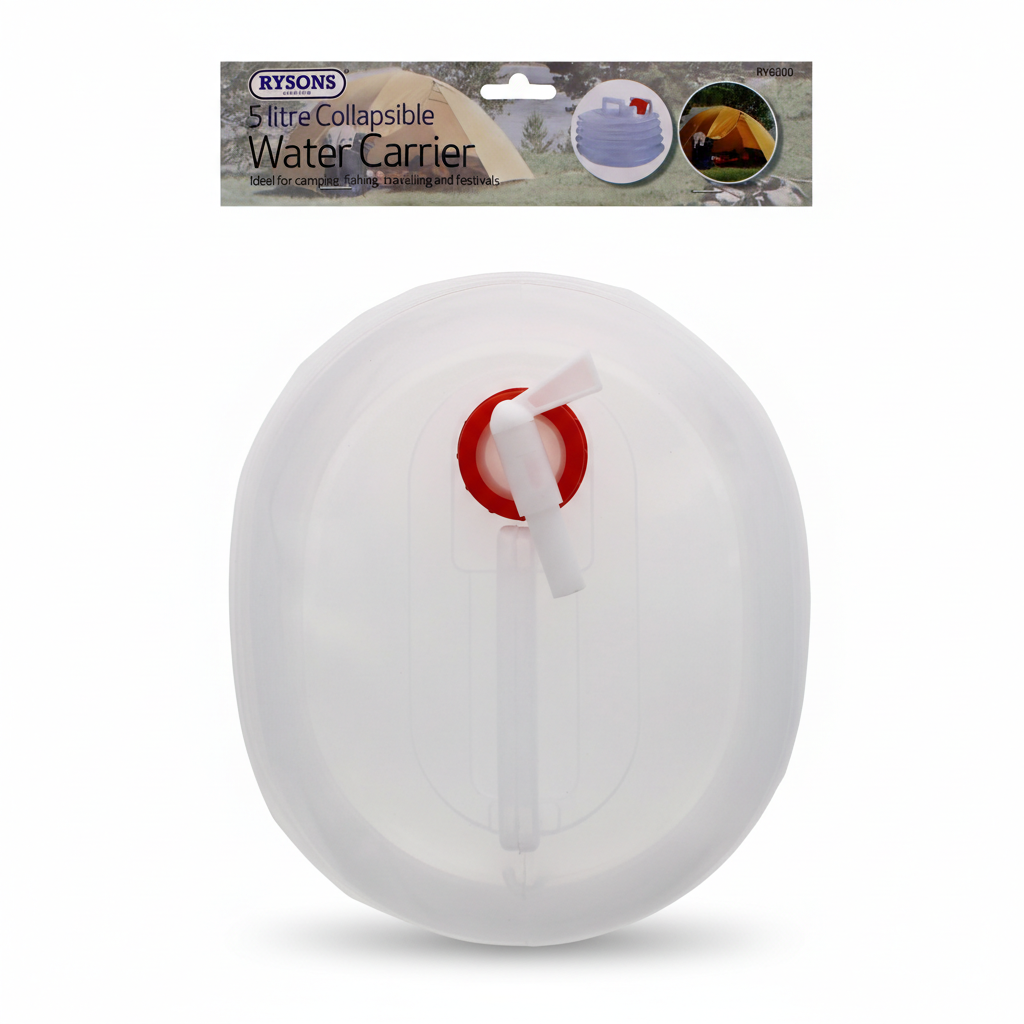
Instead of selling individual items and hoping the customer does the math, pre-calculate the cost-per-person and bundle the goods. A basic household compliance bundle could include a Folding Water Carrier 5L alongside essential household lines like bottled water, tinned food, hand sanitiser, and wet wipes. If the combined wholesale cost of the core non-perishables and a water carrier is kept low, a fair RRP delivers a solid margin while giving the shopper a complete, hassle-free solution that aligns perfectly with the government mandate.
What Shops Should Have on the Shelf Now
To capture this demand, you need the exact items named in the news reports. A shop owner should buy narrow and deep on proven sellers, not wide and shallow across novelty lines.
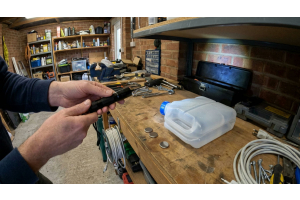
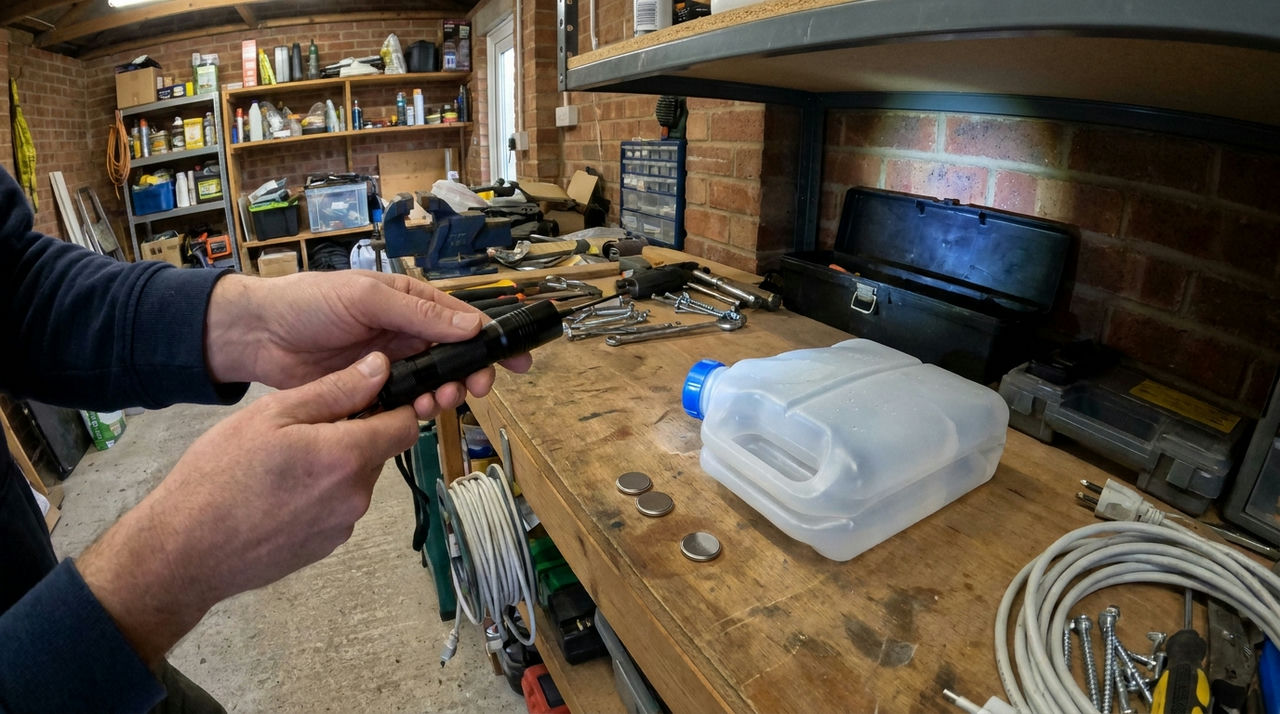
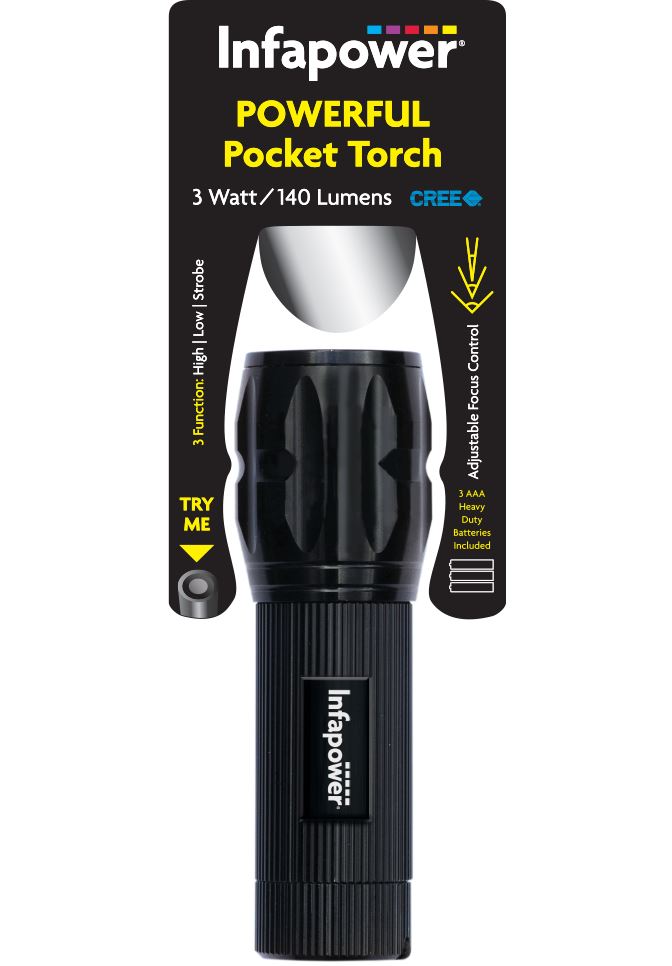
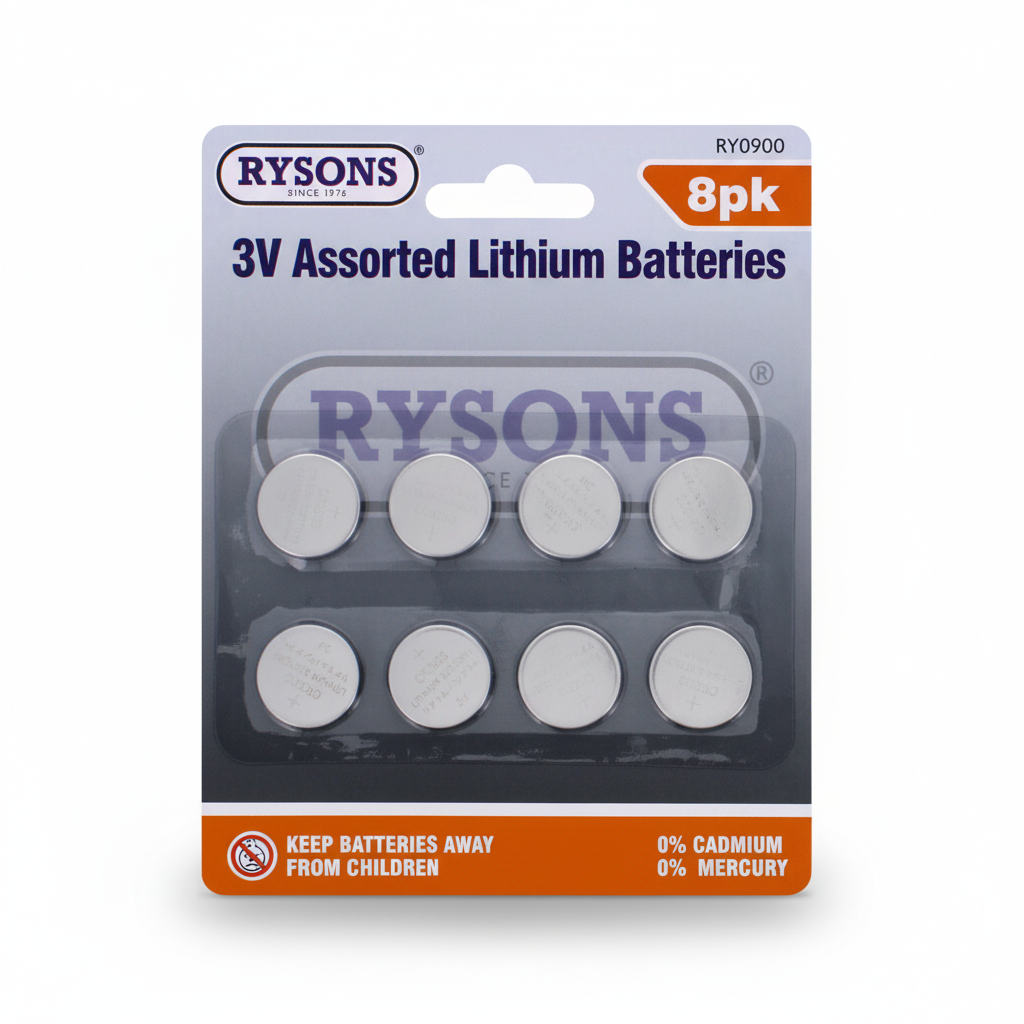
- Lighting and Power: The Pocket Torch 3 Watt 140 Lumens Cree 3 AAA Batteries is an ideal core product. It is bright, reliable, and uses standard batteries. Pair it with the Lithium Coin Cell Batteries 3V Assorted 8 Pack for customers needing flat cells for medical monitors or small radios. Always merchandise torches and batteries together in your electrical aisle to guarantee the double sale.
- Hydration and Hygiene: Bottled water is heavy and low margin, but it drives the initial footfall. Supplement it with the Folding Water Carrier 5L, which offers a much stronger margin profile for space-conscious shoppers who cannot store dozens of plastic bottles. Add hand sanitiser and wet wipes to the endcap to complete the hygiene requirement.
- Sustenance: Tinned food and non-perishables are the backbone of the three-day food requirement. Focus on high-calorie, long-life items that people would normally eat anyway.
A harsh truth from four decades in wholesale: buying the cheapest version of a line usually costs more. Returns and dead stock wipe out the initial saving. Stock reliable brands that actually work when the power goes out. Clearance is not the same as cheap: a good clearance line is branded stock at a low price, not low-quality stock at a low price.

Actionable Checklist for the Week Ahead
- Check current inventory immediately: Audit your existing stock of torches, batteries, and power banks today. If you are low, order before the November storm season fully hits.
- Create a dedicated Be Ready endcap: Group your emergency kit supplies, including bottled water, tinned food, hand sanitiser, and wet wipes, in one highly visible location near the till.
- Order deep, not wide: Focus your volume on standard AAA/AA batteries and basic LED torches rather than obscure gadgets that will sit on the shelf until spring.
- Review your tools and hardware section: Ensure you have sufficient stock of heavy-duty tape, basic repair items, and manual can openers for the tinned food.
Which batteries should I stock for the Be Ready kits?
Focus heavily on AA and AAA multipacks, as these power most standard household torches and portable radios. Keep a smaller, targeted stock of Lithium Coin Cell Batteries for speciality devices, medical monitors, and key fobs.
How much water storage should I recommend to customers?
The official government guidance is three litres per person per day. A family of four needs 36 litres for a three-day period, making collapsible water carriers an essential, high-margin up-sell alongside standard bottled water.
Should I stock power banks?
Stocking pre-charged power banks alongside your toys and tech accessories will capture impulse buys from anxious shoppers looking to keep their devices running.
The news cycle has created a hard deadline for independent shops. Local retailers who secure stock now will capture the overflow trade. Calculate your case margins, build your Be Ready bundles, and order your core lines today before the November weather drives the next wave of panic buying. For fast delivery on essential stock, visit Rysons.com.