

Christmas Inventory Mastery: A Wholesale Survival Guide
Introduction: Navigating the Christmas Peak as a Wholesaler
The Christmas season is the most wonderful - and potentially the most stressful - time of the year for retailers. For wholesalers, it represents a crucial period to support their retail partners in meeting the surge in consumer demand. Effective Christmas inventory management is not just about having enough stock; it's about having the right stock, in the right quantities, at the right time. This guide provides actionable tips to help retailers optimise their inventory for the Christmas peak and beyond, minimising losses and maximising profits. Success in wholesale seasonal planning hinges on anticipating demand, managing stock levels, and providing the right B2B inventory solutions to retail clients. This guide is your survival kit for the Christmas rush, offering insights into retail stock control and peak season demand forecasting.
Understanding Peak Season Demand Forecasting
Before ordering any stock, retailers need to understand anticipated demand. This isn't guesswork; it involves careful analysis of past sales data, market trends, and even external factors like the economic climate. Here's how to approach peak season demand forecasting:
- Analyse historical data: Review sales data from previous Christmas seasons. Identify best-selling products, peak selling periods, and any unexpected surges in demand.
- Monitor market trends: Stay informed about current trends in consumer behaviour. What are the must-have gifts this year? Are there any emerging product categories that are gaining popularity?
- Consider economic factors: Economic conditions can significantly impact consumer spending. Be mindful of factors like inflation, interest rates, and unemployment levels.
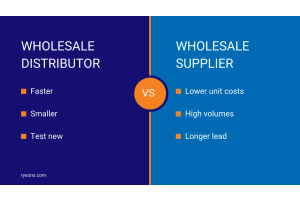
- Communicate with Suppliers: Maintain open lines of communication with your wholesalers. Rysons, for example, can provide insights into product availability and lead times.
By combining historical data, market trends, and economic factors, retailers can develop a more accurate forecast of Christmas demand. This will help them make informed decisions about inventory levels and avoid stockouts or overstocking.
Optimising Stock Levels for Maximum Profit
Once retailers have a solid demand forecast, the next step is to optimise their stock levels. This involves balancing the need to meet customer demand with the desire to minimise inventory costs. Here are some strategies for optimising stock levels:
- Implement an ABC analysis: Classify inventory based on its value and importance. 'A' items are high-value, fast-moving products that require close monitoring. 'B' items are medium-value, moderate-moving products. 'C' items are low-value, slow-moving products.
- Calculate safety stock levels: Safety stock is the extra inventory retailers keep on hand to protect against unexpected demand fluctuations or supply chain disruptions.
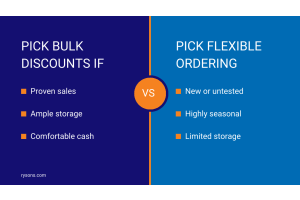
- Use just-in-time (JIT) inventory management: JIT involves ordering inventory only when it's needed. This can help reduce storage costs and minimise the risk of obsolescence. However, JIT requires close coordination with suppliers and a reliable supply chain.
- Consider drop shipping: Drop shipping allows retailers to sell products without holding any inventory. The wholesaler ships the products directly to the customer. This can be a good option for retailers who are starting out or who want to offer a wider range of products.
By carefully managing stock levels, retailers can maximise profits and minimise losses during the Christmas season. Remember that a balanced approach is key - avoid both stockouts (which can lead to lost sales and dissatisfied customers) and overstocking (which can tie up capital and increase storage costs).
Leveraging Technology for Efficient Inventory Management
In today's fast-paced retail environment, technology is essential for efficient inventory management. There are a wide range of software solutions available to help retailers track inventory levels, forecast demand, and automate ordering processes. Here are some key technologies to consider:
- Inventory management software: This software helps retailers track inventory levels in real-time, manage orders, and generate reports. Popular options include Unleashed, Cin7, and Dear Inventory.
- Point of sale (POS) systems: POS systems not only process transactions but also provide valuable data on sales trends and inventory levels.
- Demand forecasting tools: These tools use algorithms and statistical models to predict future demand.
- E-commerce platforms: Platforms like Shopify and WooCommerce offer built-in inventory management features.
Investing in the right technology can significantly improve retailers' inventory management efficiency and accuracy. This can lead to reduced costs, increased sales, and improved customer satisfaction.
Minimising Losses and Managing Returns
Even with the best planning, some losses are inevitable during the Christmas season. Returns, damaged goods, and unsold inventory can all eat into profits. Here are some strategies for minimising losses and managing returns:
- Implement a clear returns policy: A well-defined returns policy can help reduce the number of returns and prevent disputes with customers.
- Offer discounts on slow-moving items: Discounting slow-moving items can help clear out inventory and generate cash flow.
- Donate unsold inventory: Donating unsold inventory to charity can provide a tax deduction and help those in need.
- Negotiate with suppliers: If retailers have a significant amount of unsold inventory, they may be able to negotiate a return or exchange with their suppliers.
By proactively managing returns and minimising losses, retailers can protect their bottom line and ensure a profitable Christmas season.
Conclusion: Your Christmas Inventory Success Starts Now
Mastering Christmas inventory management is essential for retailers looking to thrive during the peak season and beyond. By understanding demand forecasting, optimising stock levels, leveraging technology, and minimising losses, retailers can maximise profits and ensure customer satisfaction. The key is to start planning early, stay informed, and adapt to changing market conditions. Remember, a well-managed inventory is not just about having enough stock; it's about having the right stock, in the right quantities, at the right time.
Ready to optimise your Christmas inventory? Browse Rysons' extensive range of wholesale products today and ensure you're fully stocked for the festive season! Explore our wholesale collection now!