

Clearance Stock: Profit Grid for Small Businesses

With September marking a critical shift from summer clear-outs to Q4 preparation, UK small businesses and market traders face a crucial decision: how to effectively manage surplus stock and acquire affordable inventory. The wholesale clearance market, predicted to grow in sophistication by 2026, is no longer just about buying cheap; it's about strategic sourcing that can yield profits of 200% or more, according to Clearance Giant blog. However, many traders miss the true profit potential by failing to assess real ROI thresholds by category.
An experienced wholesaler understands that buying the cheapest version of a line usually costs more in the long run. Returns and dead stock quickly wipe out any initial saving. This post will close the gap that most online guides miss: providing a clear framework for assessing which clearance categories genuinely deliver profit after accounting for grading failures, returns, and unsellable stock.
The Missing Formula: Real ROI on Clearance Categories
While discounts up to 90% off are common, the real question for a small business owner is: what percentage of a clearance pallet must you successfully resell to hit profit? This is where many traders go wrong. The answer varies significantly by product category due to differing return rates, quality consistency, and consumer expectations.
Featured Wholesale Products


Understanding Your Breakeven Point
To truly maximise profit, calculate your breakeven point for each category. For example, if you buy a pallet of home & garden items at 70% off, and the average retail price is £10, your cost per item is £3. If 20% of the pallet is unsellable or returned, your effective cost per sellable item rises. You need to account for this 'failure rate' before you even think about margin.
- Electronics (e.g., end-of-line gadgets): High potential margin (often 150-250% on sellable items), but also high failure rates (expect 15-30% unsellable due to damage or defects) and stricter return policies. You might need to resell 70-80% of the initial purchase to turn a profit.
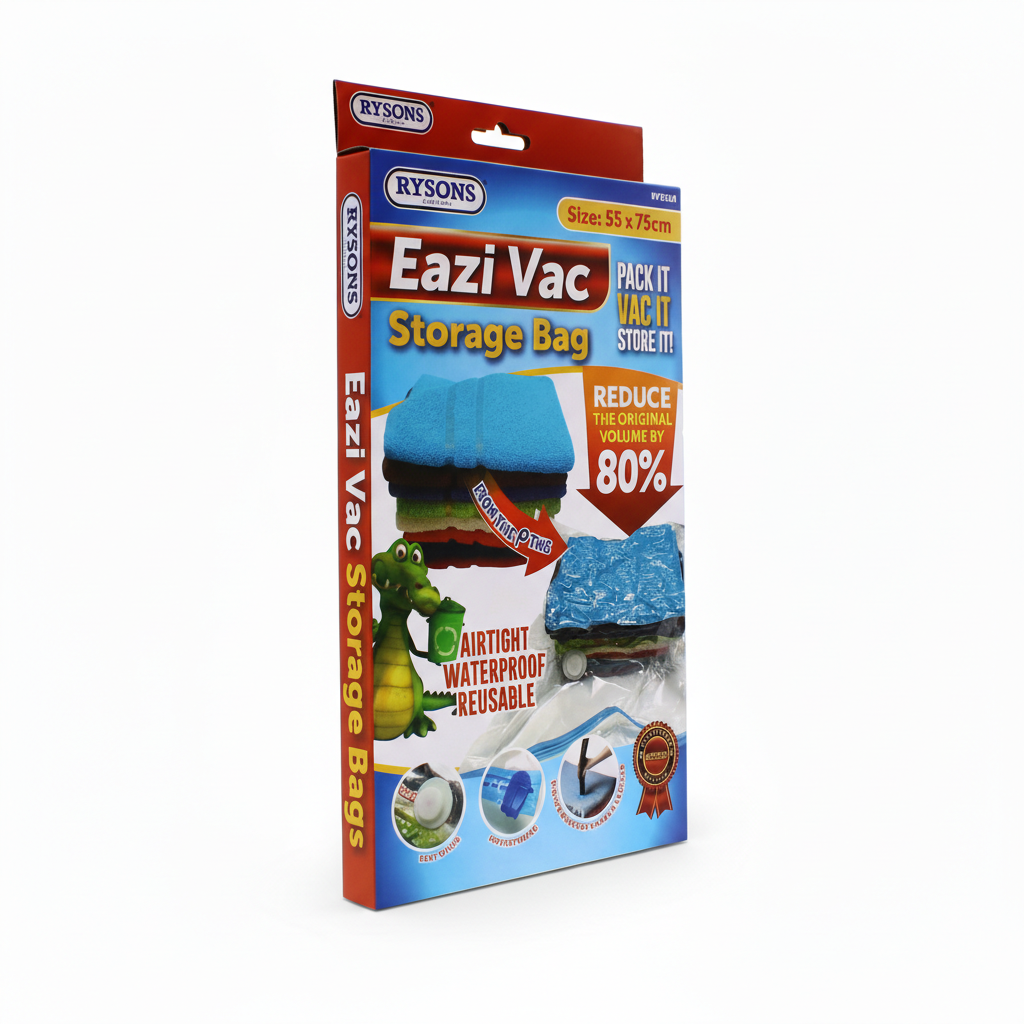
- Household Goods (e.g., kitchenware, storage): Moderate margins (80-150%), lower failure rates (5-15%). Items like Space Saving Vacuum Storage Bags are generally robust. A sell-through of 60-70% often secures profit.
- Health & Beauty (e.g., discontinued lines): Good margins (100-200%), very low failure rates (under 5%), but expiry dates are critical. Products like Vacuum Air Fresheners 20 Pack have a long shelf life. Profit is almost guaranteed if sell-by dates are managed.
- Seasonal & Novelty Items: High margins (200%+), but extremely time-sensitive. The risk is holding stock past the season. Buy deep on proven sellers, not wide across novelty lines.
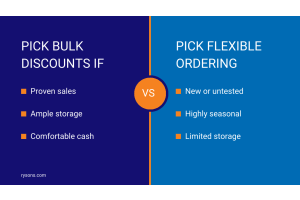
A shop owner should buy narrow and deep on proven sellers, not wide and shallow across novelty lines. This reduces risk and improves inventory turnover.
What UK Shoppers Are Buying: Emerging Trends
The UK wholesale clearance market is shaped by changing customer behaviour and supply-chain pressures. Smart resellers are buying stock now that aligns with current demand signals and upcoming seasonal needs.
1. The Cooling Comfort Craze
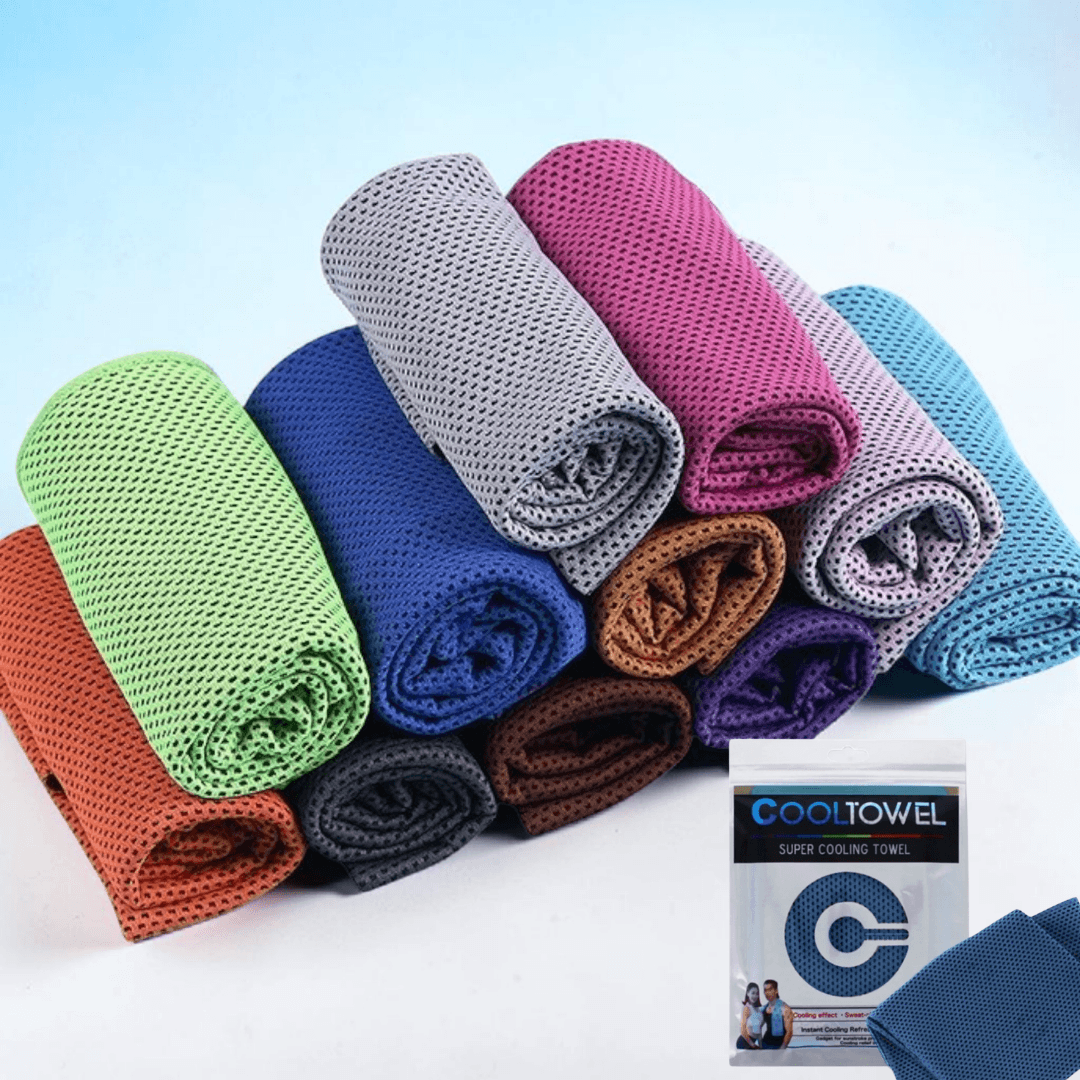
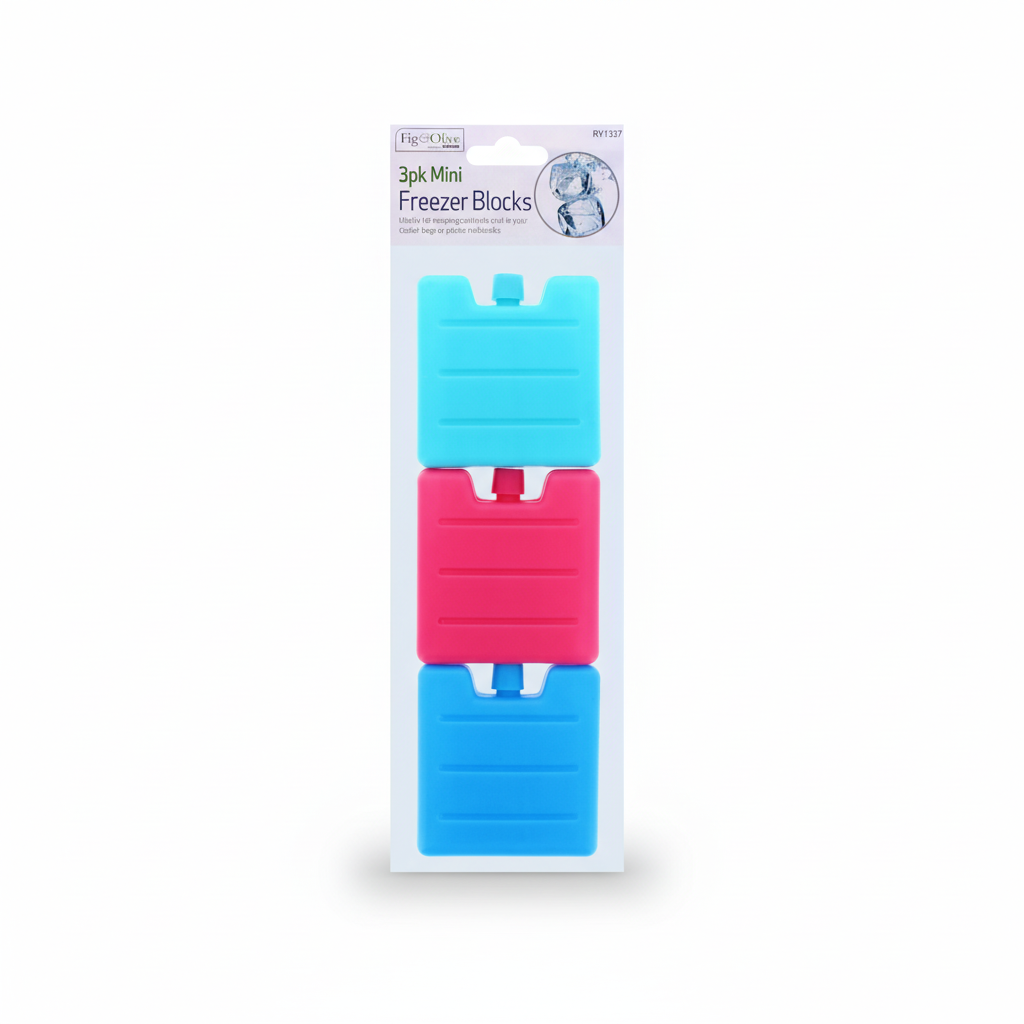
Despite summer ending, demand for personal cooling solutions remains strong, driven by unseasonable heatwaves and a growing awareness of climate resilience. Products like the Super Cooling Towel Assorted and Mini Freezer Packs - Set of 3 are seeing sustained interest. These aren't just summer items; they're becoming year-round essentials for sports, travel, and even managing minor injuries. Stocking these now, even as clearance, positions you for continued sales through autumn and into next spring.
2. Home Organisation & Efficiency
As consumers tighten their belts, focus shifts to practical, long-lasting solutions that improve home efficiency. Products that help save space, reduce waste, or simplify daily tasks are in high demand. This includes items like the Space Saving Vacuum Storage Bag, which offers clear value by decluttering and protecting household items. These are evergreen sellers that can be bought as clearance with confidence, as their utility transcends seasonal trends.
3. Pest Control for All Seasons
The need for effective pest control isn't limited to summer. With colder weather, pests often seek refuge indoors. Products like the Fly & Insect Catchers 10 Pack remain relevant year-round. Clearance stock in this category can provide excellent margins, as the demand is constant and less susceptible to seasonal fluctuations, making it a reliable bet for market traders and small shops.
Getting Ahead: Your Actionable Checklist
To get ahead of the curve and maximise your profit from clearance stock, follow these steps:
- Analyse Your Past Sales Data: Identify your best-selling product categories and lines. Prioritise clearance stock in these areas where you already have a proven customer base.
- Calculate Breakeven for Each Category: Before committing to a large clearance purchase, estimate your potential unsellable rate and recalculate the effective cost per sellable unit. Use this to determine if the margin is truly worth the risk.
- Focus on 'Evergreen' Demand: Prioritise clearance items with year-round utility (e.g., cleaning supplies, storage solutions, basic DIY tools) over highly seasonal or trend-driven products unless the discount is exceptional and you can sell quickly.
- Inspect Before You Buy (If Possible): If buying large lots, especially from a physical warehouse like Rysons in Manchester, inspect a sample to gauge quality and potential damage. This proactive step can save significant losses.
- Diversify Your Sourcing: Don't rely on a single source. Explore different wholesale clearance providers to compare quality, pricing, and product ranges.
Seasonal stock is bought too late by most independents. The real money is made by ordering while the season is still a month away, even for clearance items that can bridge demand gaps.
Buyer Questions Answered
How do I manage surplus, unsold, or outdated stock that ties up capital and clogs storage space?
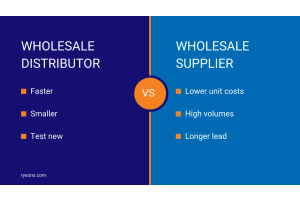
The best way to manage surplus stock is proactive liquidation. Rather than letting it sit, consider bundling it with faster-moving items, offering it as a 'buy one get one free' deal, or moving it to your own clearance section. For new stock, focus on buying smaller quantities more frequently, which is easier when working with wholesalers like Rysons that have no minimum order for most lines.
How can I access affordable inventory to compete online, and which clearance stock offers genuine competitive advantage?
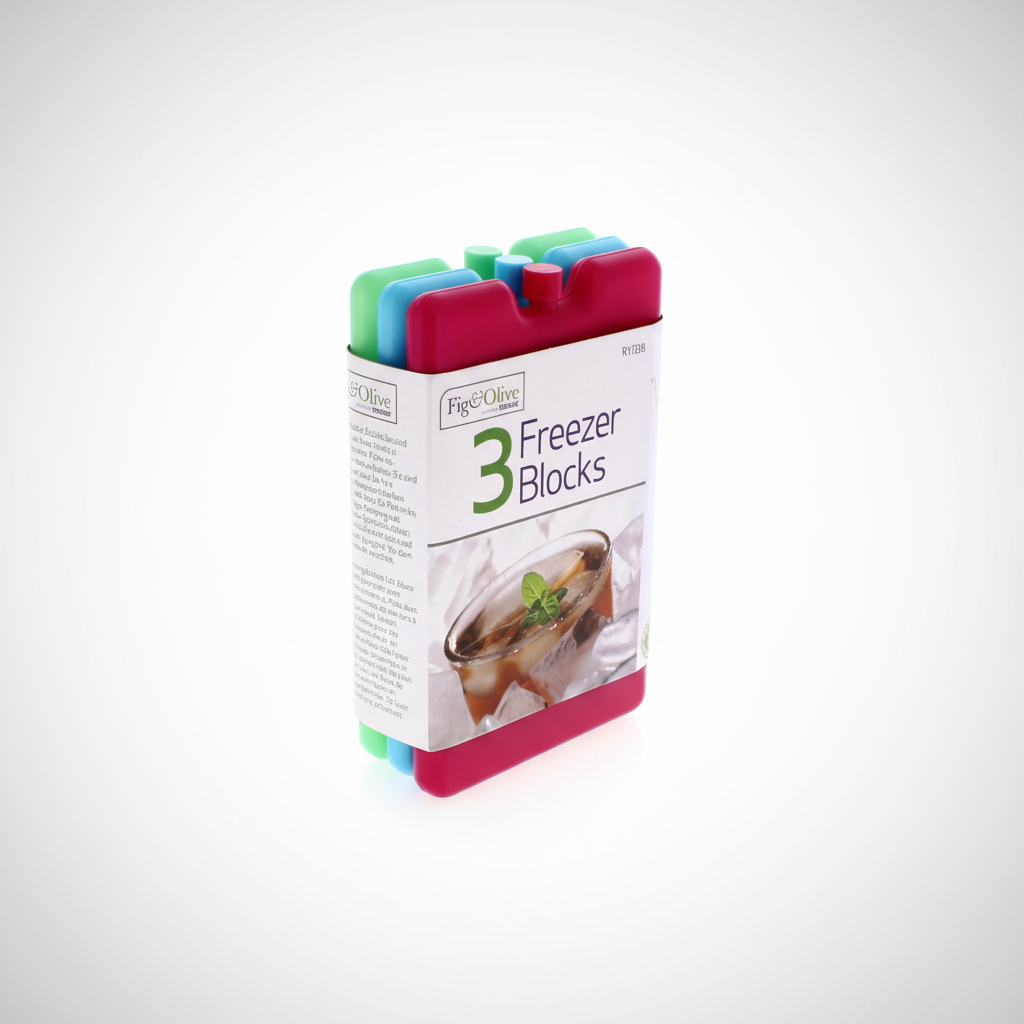
Accessing affordable inventory for online competition means looking for high-demand, low-cost items with strong visual appeal. Products with clear utility or novelty value, especially those that can be packaged in multi-packs, offer genuine competitive advantage. For example, a multi-pack of Reusable Freezer Blocks - Pack of 3, bought at a clearance price, can be listed competitively on platforms like eBay and Amazon, often earning significant margins because the perceived value to the customer is high for a practical item.
Clearance is not the same as cheap. A good clearance line is branded stock at a low price, not low-quality stock at a low price. Always prioritise quality over the lowest possible cost to avoid customer dissatisfaction and returns.
For UK retailers and market traders, navigating the wholesale clearance market requires more than just chasing the lowest price. It demands a strategic approach, understanding category-specific ROI, and identifying genuine demand. By focusing on proven sellers and calculating your true profit potential, you can turn clearance stock into a significant revenue stream. Explore our extensive range of clearance items and utilise our Find Bestselling Wholesale Products tool to make informed buying decisions. Discover what Rysons, a family-run importer and distributor from Manchester for over 40 years, has to offer your business. Visit Rysons.com today and stock up smartly for the season ahead.