

Dead Stock SOS: 5 Ways UK Retailers Can Clear Shelves

Dead Stock? 5 Ways to Clear Shelves and Boost Your Bottom Line
As a UK retailer, you know that efficient wholesale purchasing is crucial for success. But what happens when your shelves are clogged with slow-moving or obsolete items? Dead stock, also known as overstock, isn't just an eyesore - it's a drain on your profits, tying up valuable capital and warehouse space. According to recent reports, poor inventory management can cost UK retailers significant revenue annually. But don't despair! With the right strategies, you can clear your shelves, improve inventory turnover, and get your business back on track.
Rysons, a leading UK wholesale supplier with over 10,000 products, understands the challenges retailers face. From household products to garden & outdoor essentials, we're committed to providing you with the quality goods you need to keep your customers happy and your business thriving. This guide provides actionable steps to tackle dead stock and optimise your inventory management.
1. Run Targeted Clearance Sales and Promotions
The most direct way to tackle dead stock is through strategic sales and promotions. Don't just mark down items randomly; instead, create targeted campaigns designed to attract specific customer segments. Consider these tactics:
- Flash Sales: Create a sense of urgency with limited-time flash sales, offering significant discounts on targeted items. Promote these sales heavily through email marketing and social media.
- Bundled Deals: Combine slow-moving items with popular products to create attractive bundles. For example, pair discounted cleaning supplies with fast-selling household essentials.
- Themed Promotions: Tie your clearance efforts to specific themes or events. For example, a "Pre-Christmas Clear-Out" event can generate excitement and encourage customers to purchase discounted items before the holiday rush.
- Loyalty Rewards: Offer exclusive discounts on clearance items to your loyalty program members. This incentivises repeat purchases and helps you clear stock while rewarding your most valuable customers.
Remember to clearly communicate the value of the discounts and the limited availability of the products. Strong calls to action and visually appealing marketing materials are essential for driving sales.
2. Repackage and Rebrand Overstock Items
Sometimes, dead stock isn't necessarily unwanted; it might just be poorly presented or perceived. Consider repackaging or rebranding your overstock to give it a fresh appeal. Here's how:
- New Packaging: Update the packaging to make the product more visually appealing or align with current trends. A simple packaging refresh can make a significant difference in perceived value.
- Rebranding: If the product's branding is outdated or ineffective, consider a complete rebranding effort. This might involve changing the product name, logo, and overall marketing message.
- Create Gift Sets: Combine individual items into attractive gift sets, particularly around seasonal events. Consider creating gift sets with toys & games or stationery.
- Upcycling & Repurposing: Explore creative ways to repurpose dead stock into new products. This can add value and appeal to environmentally conscious consumers.
By giving your dead stock a makeover, you can breathe new life into it and attract a wider range of customers.
3. Donate to Charity or Partner with Local Organisations
If selling or repurposing your dead stock isn't feasible, consider donating it to charity or partnering with local organisations. This can provide a tax benefit while also enhancing your brand's reputation. Many charities are in need of household products, cleaning supplies, and even pet supplies.
- Partner with Local Charities: Collaborate with local charities to donate your overstock to those in need. This can generate positive publicity and strengthen your ties to the community.
- Offer Employee Donations: Allow your employees to donate a portion of their salaries to purchase dead stock for charitable purposes. This can boost employee morale and contribute to a worthy cause.
- Host a Donation Drive: Organise a donation drive where customers can bring in unwanted items in exchange for a discount on new purchases. You can then donate the collected items, as well as your dead stock, to a local charity.
Donating dead stock can be a win-win situation, benefiting both your business and the community.
4. Improve Your Inventory Management System
Preventing dead stock in the first place is the best strategy. Implementing a robust inventory management system is crucial for optimising your stock levels and minimising waste. Here's what to consider:
- Demand Forecasting: Use historical sales data and market trends to accurately forecast demand for your products. This will help you avoid overstocking and ensure you have the right products in stock at the right time.
- ABC Analysis: Categorise your inventory based on its value and sales velocity. Focus your attention on managing your A-items (high-value, fast-moving) more closely than your C-items (low-value, slow-moving).
- Just-in-Time Inventory: Implement a just-in-time inventory system, where you only order products when you need them. This can significantly reduce storage costs and the risk of dead stock.
- Regular Stock Audits: Conduct regular stock audits to identify slow-moving or obsolete items. This will allow you to take proactive steps to clear these items before they become a major problem.
An effective inventory management system will provide you with real-time visibility into your stock levels, enabling you to make informed purchasing decisions and minimise the risk of dead stock. Consider investing in storage solutions to better organize your inventory.
5. Optimise Your Wholesale Purchasing Strategy
Your wholesale purchasing strategy plays a vital role in preventing dead stock. By carefully selecting your suppliers and products, you can minimise the risk of ending up with unwanted inventory. Here's how to optimise your approach:
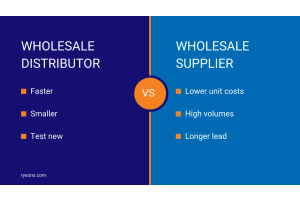
- Diversify Your Suppliers: Don't rely on a single supplier for all your products. Diversifying your supplier base will give you more flexibility and reduce your dependence on any one source.
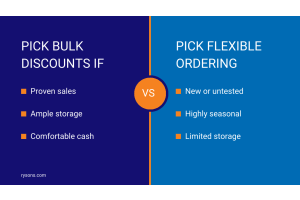
- Negotiate Flexible Ordering Terms: Negotiate flexible ordering terms with your suppliers, such as smaller minimum order quantities and the ability to return unsold items.
- Test New Products: Before committing to large orders of new products, test them in a small number of stores or online to gauge customer demand.
- Stay Informed About Market Trends: Keep abreast of the latest market trends and consumer preferences. This will help you identify products that are likely to be popular with your customers and avoid investing in items that are on their way out. Rysons offers a wide variety of seasonal products, so you can stay on trend.
Conclusion
Dead stock doesn't have to be a death sentence for your retail business. By implementing these five strategies, you can clear your shelves, improve your inventory turnover, and boost your bottom line. Remember, proactive inventory management and a strategic approach to wholesale purchasing are key to long-term success.
Ready to optimise your inventory and boost your profits? Browse Rysons' full wholesale catalogue today and discover a wide range of quality products at competitive prices!