

Easter Stock Success: A 7-Step Business Checklist

Get Easter-Ready: A 7-Step Stock Checklist for UK Businesses
Easter is a significant retail opportunity in the UK. With consumer spending rising annually, businesses need to be well-prepared to capitalise on this seasonal surge. Effective stock management is paramount for meeting customer demand, avoiding lost sales, and maximising profitability. This comprehensive 7-step checklist provides a practical guide for UK wholesalers, retailers, market traders, and online resellers to ensure they are fully stocked and ready for the Easter rush.
Step 1: Analyse Past Easter Sales Data
The foundation of effective Easter stock planning lies in understanding past performance. Reviewing sales data from previous Easter seasons provides valuable insights into which products were most popular, peak selling periods, and overall sales volume. This analysis allows businesses to identify trends, predict demand, and make informed decisions about stock levels. Consider the following factors:
- Top-selling products: Identify the products that consistently perform well during Easter.
- Peak sales periods: Determine when sales typically peak to ensure adequate stock during those crucial times.
- Sales growth: Analyse year-on-year sales growth to forecast potential demand for the upcoming Easter season.
- Customer demographics: Understand which customer segments are driving sales to tailor product offerings accordingly.
By meticulously analysing historical data, businesses can gain a clear understanding of Easter sales patterns and optimise their stock accordingly. If you notice a trend in increased demand for kitchen items during the holiday, ensure you are appropriately stocked to meet consumer needs.
Step 2: Forecast Demand and Set Stock Levels
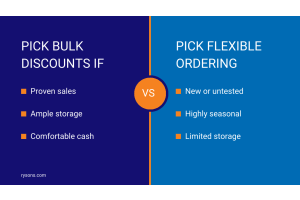
Based on historical sales data and market trends, forecast demand for the upcoming Easter season. Consider factors such as economic conditions, competitor activity, and marketing campaigns. Set appropriate stock levels for each product category, taking into account lead times from suppliers. Avoid overstocking, which can lead to storage issues and potential losses, and understocking, which can result in lost sales and dissatisfied customers. Consider these elements:
- Economic factors: Assess the impact of economic conditions on consumer spending.
- Competitor analysis: Monitor competitor activity to identify potential threats and opportunities.
- Marketing campaigns: Factor in the impact of planned marketing campaigns on product demand.
- Supplier lead times: Account for the time it takes to receive stock from suppliers.
Proper forecasting enables businesses to plan their purchases effectively and maintain optimal stock levels throughout the Easter season. Don't forget to consider products related to Easter activities, like garden supplies if the weather is expected to be good, or toys and games for indoor fun.
Step 3: Source Wholesale Easter Products
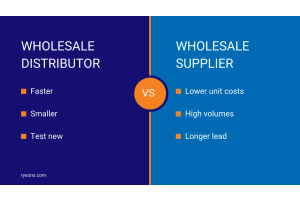
Once demand has been forecast, it's time to source wholesale Easter products from reliable suppliers. Look for suppliers that offer a wide range of products, competitive prices, and timely delivery. Consider partnering with wholesalers that specialise in seasonal products to ensure access to the latest trends and popular items. When sourcing, be sure to check for quality and compliance with UK safety regulations. As a B2B supplier, Rysons provides a wide range of wholesale products. When considering suppliers, remember to:
- Compare prices: Obtain quotes from multiple suppliers to ensure competitive pricing.
- Check product quality: Verify the quality of products to meet customer expectations.
- Assess supplier reliability: Evaluate supplier reputation and track record.
- Negotiate payment terms: Secure favourable payment terms to manage cash flow effectively.
Step 4: Optimise Product Assortment
A well-curated product assortment is crucial for maximising Easter sales. Offer a diverse range of products that cater to different customer preferences and budgets. Consider stocking traditional Easter items such as chocolate eggs, Easter bunnies, and seasonal decorations. Also, explore opportunities to introduce new and innovative products that capture consumer attention. In addition to traditional items, think about:
- Seasonal decorations: Stock a variety of Easter-themed decorations, such as banners, garlands, and table centrepieces.
- Gift items: Offer a selection of Easter-themed gift items for children and adults.
- Themed party supplies: Stock plates, napkins, cups, and decorations.
- Cross-selling opportunities: Stock items that complement Easter products, such as household products and cleaning products for pre-Easter preparations.
Step 5: Implement Effective Inventory Management
Efficient inventory management is essential for maintaining optimal stock levels and preventing stockouts or overstocking. Implement a robust inventory management system that tracks stock levels in real-time and provides alerts when stock levels fall below predetermined thresholds. Regularly monitor inventory levels and adjust orders accordingly. Consider using inventory management software to automate the process and improve accuracy. Key aspects of inventory management include:
- Real-time tracking: Track stock levels in real-time to ensure accurate inventory data.
- Stock level alerts: Set up alerts to notify when stock levels fall below predetermined thresholds.
- Regular monitoring: Monitor inventory levels regularly to identify potential issues.
- Inventory management software: Consider using software to automate inventory management tasks.
Proper inventory management also means having adequate storage solutions to keep products organised and accessible.
Step 6: Plan Your Marketing and Promotions
Effective marketing and promotions are crucial for driving Easter sales. Develop a comprehensive marketing plan that includes online and offline channels. Promote Easter products through social media, email marketing, and in-store displays. Offer special promotions, discounts, and bundle deals to attract customers and incentivise purchases. Make sure your marketing plan incorporates:
- Social media campaigns: Run targeted social media campaigns to reach potential customers.
- Email marketing: Send out email newsletters with special offers and product updates.
- In-store displays: Create attractive in-store displays to showcase Easter products.
- Special promotions: Offer discounts, bundle deals, and other promotions to incentivise purchases.
Step 7: Monitor Sales and Adjust Stock Accordingly
Throughout the Easter season, closely monitor sales performance and adjust stock levels as needed. Track which products are selling well and which are not. Replenish fast-selling items promptly and reduce stock levels of slow-moving products. Be prepared to adapt to changing consumer demand and make adjustments to your product assortment and marketing strategies accordingly. Consider the following:
- Sales tracking: Track sales data daily to identify trends and patterns.
- Replenishment strategies: Implement strategies for replenishing fast-selling items quickly.
- Stock reduction strategies: Reduce stock levels of slow-moving products to minimise losses.
- Adaptability: Be prepared to adapt to changing consumer demand and market conditions.
Conclusion
By following this 7-step checklist, UK businesses can ensure they are fully prepared for the Easter season and maximise their sales potential. Effective stock management, strategic sourcing, and targeted marketing are essential for success. Remember to analyse past sales data, forecast demand, and optimise your product assortment to meet customer needs. With careful planning and execution, businesses can capitalise on the Easter rush and achieve significant growth. Browse our full wholesale catalogue at Rysons.com to find the perfect Easter stock for your business!