

eBay UK Profit: A Retailer's Guide to Success
For UK wholesale B2B retailers, eBay remains a powerful sales channel. Its vast audience and established infrastructure offer incredible opportunities, but navigating the platform's intricacies to ensure healthy profit margins requires a meticulous approach. Simply selling isn't enough; understanding and optimising your profit is paramount for sustainable growth. This guide will help you dissect your eBay operations, from sourcing to shipping, ensuring every sale contributes positively to your bottom line.
The Core of Profitability: Understanding All Your Costs
Many retailers focus solely on the product's purchase price and its selling price, overlooking a myriad of hidden or often underestimated costs. True profitability comes from a comprehensive understanding of every penny spent and earned. Ignoring these can quickly erode your margins, turning seemingly successful sales into financial drains.
The Product Acquisition Cost
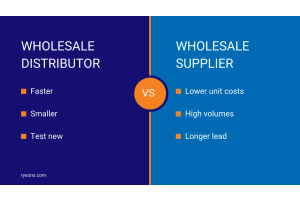
This is your starting point. It's the price you pay to your wholesaler for the item. However, remember to factor in any bulk discounts, minimum order quantities (MOQs), and the cost of capital tied up in inventory. Sourcing efficiently from a reliable wholesale clearance UK supplier can significantly impact this initial cost, setting a strong foundation for your profit.

- Unit Cost: The price per item.
- Shipping from Wholesaler: Don't forget inbound freight charges.
- Customs/Duties (if applicable): For international sourcing, these can be substantial.
eBay Fees: The Unavoidable Element
eBay's fee structure is complex, but understanding it is critical. These fees are not static; they vary by category, listing format, and even how you promote your items.
- Insertion Fees: The cost to list an item. Most sellers get a certain number of free listings per month, but exceeding this incurs charges.
- Final Value Fees (FVF): The percentage eBay takes from the total sale price (item price + shipping). This is the biggest chunk and varies significantly by category. For example, selling toys & games might have a different FVF percentage than selling health & beauty products.
- Payment Processing Fees: If you use eBay's managed payments, these are integrated into the FVF. If you use PayPal, they charge their own percentage and fixed fee per transaction.
- Listing Upgrades: Optional features like bold titles, subtitles, gallery plus, or scheduled listings. These add to your costs.
- Promoted Listings: Highly effective for visibility, but another percentage of the final sale price. Consider these an investment, not just a cost, but factor them into your profit calculations.
Shipping and Handling Costs
This category is often underestimated and can quickly eat into profits if not managed correctly.

- Postage Cost: The actual cost to send the item. This depends on weight, dimensions, destination, and service level (e.g., Royal Mail 2nd Class, tracked, signed).
- Packaging Materials: Boxes, poly mailers, bubble wrap, tape, labels – these all add up. Buy in bulk to reduce unit costs.
- Labour for Packing: Your time, or an employee's time, spent picking, packing, and preparing items for dispatch. This is a real cost for any B2B operation.
- Collection/Drop-off Costs: Fuel, vehicle wear, or courier collection fees.
- Returns Processing: The cost of handling returns, including return shipping, inspection, and repackaging.
Operational Overheads
These are the costs of running your business, often allocated per item or as a fixed monthly cost.
- Storage Costs: Warehouse space, shelving, insurance for stock.
- Software/Subscriptions: eBay listing tools, accounting software, inventory management systems.
- Utilities: Electricity, internet for your office/warehouse.
- Labour (Non-Packing): Customer service, listing creation, inventory management, administration.
- Marketing (External): Any advertising beyond eBay's promoted listings.
- Banking Fees: For business accounts.
Calculating Your True Profit: A Step-by-Step Approach
To accurately determine your profit, you need a clear formula. Let's break it down.
- Determine Your Total Revenue Per Item:
This is simply the item's selling price on eBay. - Calculate Your Total Cost Per Item:
This is where all the factors above come in. It's crucial to be precise.
- Product Cost: What you paid for the item from your wholesaler.
- Inbound Shipping: Your share of shipping costs from wholesaler.
- eBay Insertion Fee: The fee per listing, if applicable.
- eBay Final Value Fee (FVF): (Selling Price + Shipping Charged to Buyer) x FVF Percentage.
- eBay Promoted Listing Fee (if used): Selling Price x Promoted Listing Percentage.
- Payment Processing Fee: If separate from FVF (e.g., old PayPal fees).
- Outbound Shipping Cost: Actual postage + packaging materials + labour for packing.
- Allocated Overhead: A portion of your monthly fixed costs attributed to this item.
Once you have these figures:
Gross Profit Per Item = Selling Price - Total Cost Per Item
Net Profit Percentage = (Gross Profit Per Item / Selling Price) x 100
Strategies for Optimising Your eBay UK Profit
1. Smart Sourcing is Key
Your journey to profit begins long before a listing goes live. Establishing strong relationships with reputable UK wholesalers is paramount. Look for suppliers who offer:
- Competitive Pricing: Always compare, but don't compromise on quality.
- Reliable Stock: Consistent availability prevents stock-outs and lost sales.
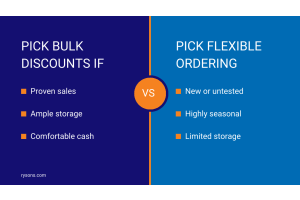
- Bulk Discounts: Buying larger quantities of popular items like household essentials or pound lines often reduces your per-unit cost significantly.
- Fast Shipping: Reduces your lead time and allows for quicker restocking.
- Clearance/End-of-Line Deals: These can offer exceptional margins if you can move the stock quickly.
2. Master eBay Fee Management
Understanding and strategically managing eBay fees can drastically improve your margins.
- Utilise Free Listings: Maximise your monthly allocation of free listings.
- Optimise Categories: Ensure your items are listed in the correct category to avoid incorrect FVF percentages. Research categories with lower fees if appropriate for your product.
- Consider an eBay Shop Subscription: If you list many items, an eBay Shop subscription often provides more free listings, lower insertion fees, and sometimes lower FVFs, making it cost-effective.
- Bundle Items: Instead of selling individual stationery items, consider creating bundles or multi-packs. This can reduce per-item fees and shipping costs, whilst increasing average order value.
- Promoted Listings Wisely: Use promoted listings for high-margin, fast-moving items. Monitor their performance closely to ensure the ROI justifies the cost.
3. Refine Your Shipping Strategy
Shipping can be a profit killer if not managed efficiently.
- Negotiate Carrier Rates: As a B2B retailer, you likely ship higher volumes. Contact various couriers (Royal Mail, Hermes, DPD, Yodel) to negotiate better rates based on your predicted volume.
- Accurate Weight & Dimensions: Miscalculating these leads to unexpected surcharges or overpaying. Invest in accurate scales and measuring tools.
- Optimise Packaging: Use the smallest, lightest packaging possible that still protects the item. Source packaging materials in bulk for cost savings.
- Offer Varied Shipping Options: Provide standard economy options (cheaper for you) and expedited options (for which buyers might pay a premium).
- Factor in Handling: Don't just charge for postage. Include a small handling fee to cover packaging materials and labour. Be transparent about this if you wish, or simply build it into your overall item price.
4. Dynamic Pricing and Market Research
eBay is a competitive marketplace. Your pricing strategy needs to be agile.
- Competitor Analysis: Regularly check what similar items are selling for. Use eBay's 'Sold Listings' feature to see actual selling prices, not just asking prices.
- Value Proposition: Can you offer something extra? Faster shipping, better customer service, or a unique bundle can justify a slightly higher price.
- Seasonal Adjustments: Prices for items like seasonal items, for example, will fluctuate significantly throughout the year. Adjust your prices to maximise profit during peak demand.
- Minimum Acceptable Price (MAP): Know your absolute lowest price for an item, below which you will make a loss. Never sell below your MAP.
5. Inventory Management and Stock Turnover
Holding onto stock costs money (storage, insurance, potential obsolescence). Efficient inventory management is crucial.
- Track Sales Velocity: Understand how quickly items sell. Prioritise reordering fast-movers and consider discontinuing slow-movers.
- Avoid Overstocking: While bulk discounts are appealing, don't buy more than you can realistically sell within a reasonable timeframe.
- Clearance Sales: If stock isn't moving, consider running a targeted sale or offering it as a bundle to clear it out and free up capital.
6. Customer Service and Reputation
Excellent customer service isn't just about good reviews; it impacts your bottom line by reducing returns and increasing repeat business.
- Prompt Communication: Respond to buyer queries quickly and professionally.
- Accurate Listings: Ensure descriptions and photos are precise to minimise 'item not as described' disputes.
- Efficient Returns Process: Make returns as smooth as possible. Happy customers are more likely to buy from you again, even if they had an issue.
Putting It All Together: A Practical Example
Let's imagine you're selling a popular kitchen gadget sourced from a wholesale supplier:
- Wholesale Cost: £3.00
- Inbound Shipping (allocated): £0.20
- Selling Price on eBay: £9.99
- Shipping Charged to Buyer: £2.99
- eBay Final Value Fee (12.8% + £0.30, example): (£9.99 + £2.99) * 0.128 + £0.30 = £1.66 + £0.30 = £1.96
- Actual Outbound Postage: £2.90
- Packaging Materials (allocated): £0.25
- Labour for Packing (allocated): £0.15
- Allocated Overhead: £0.50
Total Revenue: £9.99
Total Costs: £3.00 (product) + £0.20 (inbound ship) + £1.96 (eBay FVF) + £2.90 (outbound postage) + £0.25 (packaging) + £0.15 (packing labour) + £0.50 (overhead) = £8.96
Gross Profit: £9.99 - £8.96 = £1.03
Net Profit Percentage: (£1.03 / £9.99) * 100 = 10.31%
This example highlights how quickly costs add up. A 10% profit margin might seem low, but with high volume, it can be very lucrative. The key is knowing this figure accurately for every product you sell.
Tools and Tips for UK Retailers
- Spreadsheets: A detailed spreadsheet is your best friend for tracking all costs and calculating profit per item.
- eBay Business Hub: Utilise the reports available in your eBay Seller Hub for insights into sales, fees, and performance.
- Accounting Software: Integrate your eBay sales with accounting software (e.g., Xero, QuickBooks) for a holistic view of your business finances.
- Automated Repricing Tools: For high-volume sellers, these tools can dynamically adjust your prices based on competitor activity and your profit rules.
- Continuous Learning: eBay's policies and market trends evolve. Stay updated by regularly checking eBay Seller Centre announcements and industry news.
Conclusion
Maximising your profit on eBay UK as a B2B retailer is an ongoing process of meticulous calculation, strategic sourcing, and continuous optimisation. By understanding every cost associated with each sale, from the initial wholesale purchase to the final delivery, you empower yourself to make informed decisions that drive genuine profitability. Don't just chase sales volume; chase profitable sales volume. With the right approach, eBay can remain a cornerstone of your wholesale retail strategy.
Ready to source quality products and boost your eBay profits? Explore our extensive range of wholesale products today at Rysons.com.