

Finding UK Wholesale: Where Shops Buy Now

The UK retail landscape is a dynamic ecosystem, constantly adapting to consumer trends, technological advancements, and economic shifts. For every successful shop, whether a high-street independent or an online boutique, the backbone of their operation is a robust and reliable wholesale supply chain. But where exactly are UK retailers finding their stock in today's fast-paced market? The answer is more varied and nuanced than ever before.
Gone are the days when a few key trade shows and a local cash & carry would suffice for sourcing all inventory. While these traditional channels still hold value, the digital revolution has dramatically expanded the options available, offering retailers unprecedented choice, competitive pricing, and logistical efficiency. This guide delves into the modern avenues UK shops are exploring to secure their wholesale goods, helping you understand where the smart money is being spent.
The Enduring Appeal of Traditional Wholesale Channels
Despite the digital shift, certain traditional methods for finding wholesale suppliers continue to thrive, particularly for specific sectors or types of merchandise.

Trade Shows and Exhibitions
For many years, trade shows have been the quintessential meeting ground for retailers and wholesalers. Events like Spring Fair, Autumn Fair, and various specialist shows (e.g., for food, fashion, gifts) provide an invaluable opportunity to:
- See and Touch Products: There’s no substitute for physically inspecting goods, assessing quality, and understanding scale and finish firsthand. This is especially crucial for categories like homeware, clothing, and artisanal products.
- Network and Build Relationships: Face-to-face interaction fosters trust and allows for direct negotiation, which can be vital for securing favourable terms or exclusive lines.
- Discover New Trends: Wholesalers often launch their latest collections at these events, giving retailers a competitive edge by being among the first to spot emerging trends.
- Compare Suppliers: A single venue allows for efficient comparison of multiple suppliers, their product ranges, pricing, and service levels.
While attendance might require travel and time away from the shop floor, the strategic benefits of trade shows remain significant, particularly for larger orders or forging long-term partnerships.

Cash & Carry Warehouses
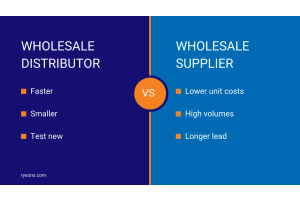
Cash & carry outlets, such as Booker or Costco Business Centre, cater predominantly to smaller businesses looking for immediate stock. Their appeal lies in:
- Instant Availability: Retailers can pick up goods on the spot, ideal for urgent restocking or testing new lines without committing to large minimum orders.
- No Minimum Order Value (often): While bulk discounts apply, the flexibility to buy smaller quantities is a major draw for independent shops.
- Variety of Everyday Essentials: These warehouses are excellent for sourcing household essentials, cleaning supplies, and general merchandise quickly.
However, cash & carry often means less specialised products and potentially higher unit costs compared to direct wholesale orders, making it more suitable for supplementary stock rather than primary sourcing.
The Digital Transformation: Online Wholesale Platforms
The most significant shift in wholesale sourcing has undoubtedly been the rise of online platforms. These digital marketplaces and direct-to-retailer websites have democratised access to wholesale goods, enabling even the smallest independent shops to compete effectively.
B2B Wholesale Marketplaces
Platforms like Faire, Ankorstore, and Alibaba (for international sourcing) have revolutionised how retailers discover and purchase products. Their advantages include:
- Vast Product Ranges: Access to thousands of brands and products across virtually every category, from fashion and gifts to health & beauty items.
- Convenience and Efficiency: Order from multiple suppliers with a single checkout process, manage invoices, and track shipments all in one place.
- Discovery Tools: Advanced search filters, trending product sections, and personalised recommendations help retailers find unique items.
- Lower Minimums and Payment Terms: Many platforms offer lower minimum order quantities (MOQs) and favourable payment terms, making them accessible to smaller businesses.
- International Access: While focusing on UK wholesale, these platforms often provide access to global suppliers, broadening product diversity.
While offering immense convenience, retailers should always scrutinise supplier reviews, shipping costs, and return policies on these platforms.
Direct from Wholesaler Websites
Many established UK wholesalers now operate comprehensive B2B e-commerce websites. This direct approach offers several benefits:
- Competitive Pricing: Buying directly often means cutting out intermediary fees, potentially leading to better margins.
- Full Product Catalogues: Access to the wholesaler’s entire range, including new arrivals and exclusive lines. For instance, a dedicated online wholesaler might offer an extensive selection of toys, games, and novelty items directly from their digital catalogue.
- Dedicated Account Management: Larger orders often come with personalised service, helping retailers navigate stock levels and future orders.
- Streamlined Reordering: Once an account is set up, reordering popular items is usually a quick and efficient process.
Retailers should look for user-friendly websites with clear pricing, stock levels, and efficient customer service. It’s also wise to compare shipping costs and minimum order requirements across different direct suppliers.
Specialised Sourcing Strategies for Modern Retailers
Beyond the broad categories, modern retailers employ more nuanced strategies to find their niche and stay competitive.
Niche and Specialist Wholesalers
For shops focusing on specific product categories, seeking out niche wholesalers is paramount. These suppliers typically offer deeper expertise, a more curated selection, and often higher quality within their specialism.
- Example: A shop specialising in sustainable products would seek out wholesalers dedicated to eco-friendly goods. A party shop would look for a wholesaler with a wide range of party supplies, balloons, and decorations.
- Benefits: Tailored product ranges, expert advice, and often a shared brand ethos.
- Finding Them: Industry directories, specific trade shows, and targeted online searches are key.
Dropshipping Suppliers
For online-only retailers, dropshipping continues to be a popular model. With dropshipping, the retailer never holds stock; instead, orders are forwarded directly to the supplier, who then ships the product to the customer.
- Advantages: Low startup costs, no inventory management, wide product selection.
- Disadvantages: Lower profit margins, less control over shipping and customer service, potential for stock-outs if not managed carefully.
Dropshipping platforms and directories help retailers connect with suppliers offering this model, though careful vetting of supplier reliability is crucial.
Wholesale Clearance and Discount Suppliers
For retailers operating on tight margins or focusing on value-driven products, wholesale clearance and discount suppliers are vital. These sources provide opportunities to purchase end-of-line, surplus, or slightly imperfect stock at significantly reduced prices.
- Pound Lines: Many shops, particularly convenience stores and discount retailers, rely heavily on pound lines to offer exceptional value to customers. Sourcing these effectively requires dedicated suppliers who specialise in high-volume, low-cost goods.
- Clearance Sales: Keep an eye on major wholesalers' clearance sections, which can be goldmines for profitable stock.
- Benefits: High-profit potential on individual items, ability to offer attractive price points to customers.
- Considerations: Stock can be inconsistent, and quantities may be limited. Quality control is paramount.
Key Considerations When Choosing a UK Wholesale Supplier
Regardless of the channel used, UK retailers must evaluate potential suppliers against several critical criteria to ensure a sustainable and profitable relationship.
Product Quality and Consistency
Your reputation hinges on the quality of goods you sell. Always request samples, read reviews, and assess the consistency of products over time. Inconsistent quality can quickly erode customer trust.
Pricing and Profit Margins
Negotiate the best possible pricing while ensuring the supplier remains viable. Factor in all costs: unit price, shipping, duties (if applicable), and potential return costs. Understand your desired profit margin and work backwards.
Minimum Order Quantities (MOQs)
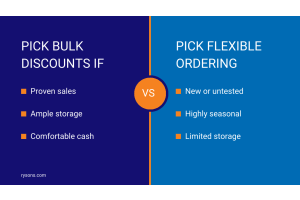
MOQs can be a significant hurdle for smaller retailers. Look for suppliers with flexible MOQs or consider pooling orders with other independent shops if possible. Many modern B2B platforms specifically cater to lower MOQs.
Reliability and Lead Times
Timely delivery is crucial, especially for seasonal or fast-moving goods. A reliable supplier with predictable lead times helps you manage inventory, avoid stock-outs, and maintain customer satisfaction. What are their order processing times? How do they handle unexpected delays?
Customer Service and Support
A good relationship with your wholesaler can be invaluable. Assess their responsiveness, willingness to resolve issues, and overall communication. Dedicated account managers can provide insights and support that go beyond simple transactions.
Payment Terms
Understand the payment terms offered. Some suppliers require upfront payment, while others offer credit terms (e.g., 30 days net). Favourable payment terms can significantly aid cash flow management for your business.
Returns and Damages Policy
Inevitably, some products may arrive damaged or be faulty. A clear, fair returns policy is essential to protect your business and minimise losses.
Leveraging Technology for Smarter Sourcing
Technology isn't just changing where you find wholesalers; it's also transforming how you manage those relationships and optimise your purchasing.
- Inventory Management Systems (IMS): Integrating your sales data with an IMS can automatically trigger reorder alerts, helping you maintain optimal stock levels and identify best-selling products.
- Data Analytics: Use sales data to understand product performance, predict demand, and inform your purchasing decisions. Which categories are performing well? Are there seasonal spikes you need to prepare for?
- CRM Software: For managing relationships with multiple suppliers, a simple Customer Relationship Management (CRM) system can track communication, orders, and terms.
Building Lasting Relationships
In the world of wholesale, relationships are key. A strong, mutually beneficial relationship with your suppliers can lead to better pricing, early access to new products, and greater flexibility during challenging times.
- Communicate Regularly: Keep your suppliers informed about your needs, feedback, and sales performance.
- Be a Good Partner: Pay on time, respect their terms, and provide constructive feedback.
- Explore Long-Term Agreements: For core products, consider longer-term contracts for potentially better pricing and supply security.
The Future of UK Wholesale Sourcing
The trend towards online sourcing will only continue to accelerate, with B2B platforms becoming more sophisticated and offering even greater integration. Sustainability and ethical sourcing are also growing priorities for both consumers and retailers, meaning wholesalers who can demonstrate robust ethical practices will gain a significant advantage.
Personalisation, driven by AI and data analytics, will likely play a larger role in helping retailers discover highly relevant products and suppliers. Furthermore, the focus on supply chain resilience, especially after recent global disruptions, will see retailers prioritising local UK wholesalers and those with diversified sourcing options.
Ultimately, successful UK retailers in today’s market are those who adopt a multi-faceted approach to wholesale sourcing. They blend the reliability of traditional channels with the efficiency and vast choice offered by digital platforms, all while maintaining a keen eye on quality, value, and strong supplier relationships. By strategically navigating these diverse avenues, shops can ensure they remain well-stocked, competitive, and poised for growth.
Ready to discover a world of wholesale opportunities for your UK retail business? Explore a vast range of products, from everyday essentials to seasonal bestsellers, designed to meet the diverse needs of modern shops. Visit Rysons.com today and elevate your inventory.