

Graded vs Mystery: Choosing Cloth & Black Job Lots
Black Friday 2025 conversion hit 5.11%—a 45% spike over the typical Monday average. To capture that kind of margin this season, independent retailers need inventory landed and listed well before Amazon's November 18th deal sourcing deadlines. Right now, major UK retailers including John Lewis are holding pre-Christmas warehouse clearance sales with discounts of up to 40% on returned and cancelled orders. This floods the secondary market with pallets of stock, leaving trade buyers with a strict operational choice: do you risk capital on mystery abandoned parcels, or do you stick to graded, predictable clearance lines like black plastics and basic cloth textiles?
The Margin Calculation Gap Most Buyers Miss
Search for job lots online, and you will find endless supplier directories and reseller tactics focused on platform deadlines. What they all miss is the critical margin calculation that dictates whether a pallet actually makes you money. Retailers see £40 job lots of "abandoned parcels" or "mixed clearance" priced at roughly £5 to £15 per unit on paper. But no supplier quantifies the actual sell-through rate, the usable SKU count per box, or the defect rate of these mystery lots.
For independent shops and smaller resellers, the real objective of Q4 clearance buying is to clear stock rapidly and collect cash before the final December sourcing push. There is no data online showing how to forecast inventory velocity for mystery boxes because it is impossible to predict. Buying the cheapest version of a line usually costs more: returns and dead stock wipe out the saving. If you buy a £40 mixed pallet and 60% of it is broken, out of season, or zero-demand novelty, your true cost per sellable unit triples. This missing ROI calculation is what separates profitable buyers from those who end up cash-trapped with a warehouse full of unsellable odds and ends.
Featured Wholesale Products
Option A: Graded Clearance and Predictable Basics
Graded clearance means the stock has been checked, sorted, and manifested. You know exactly what is on the pallet. In the context of textiles and plastics, this usually involves overruns, cancelled wholesale orders, or seasonal packaging changes of everyday staples.
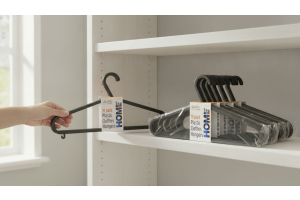
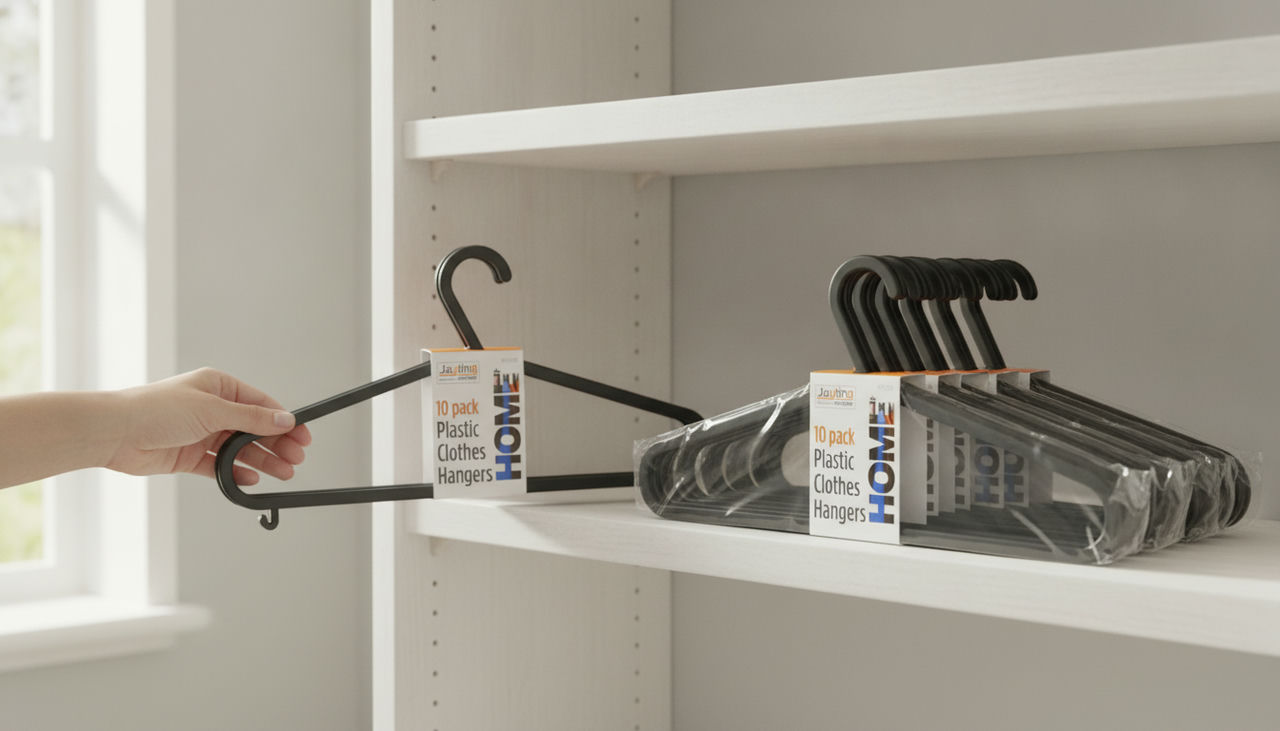
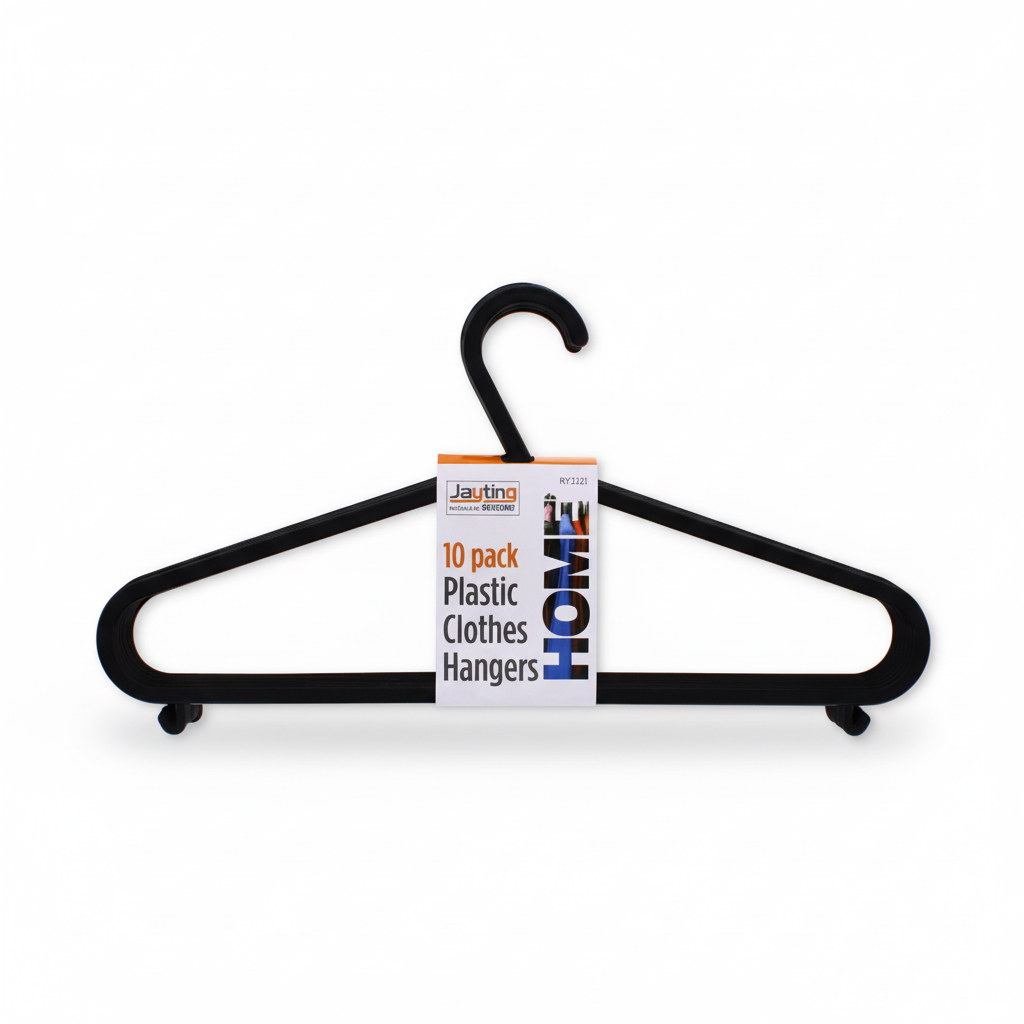
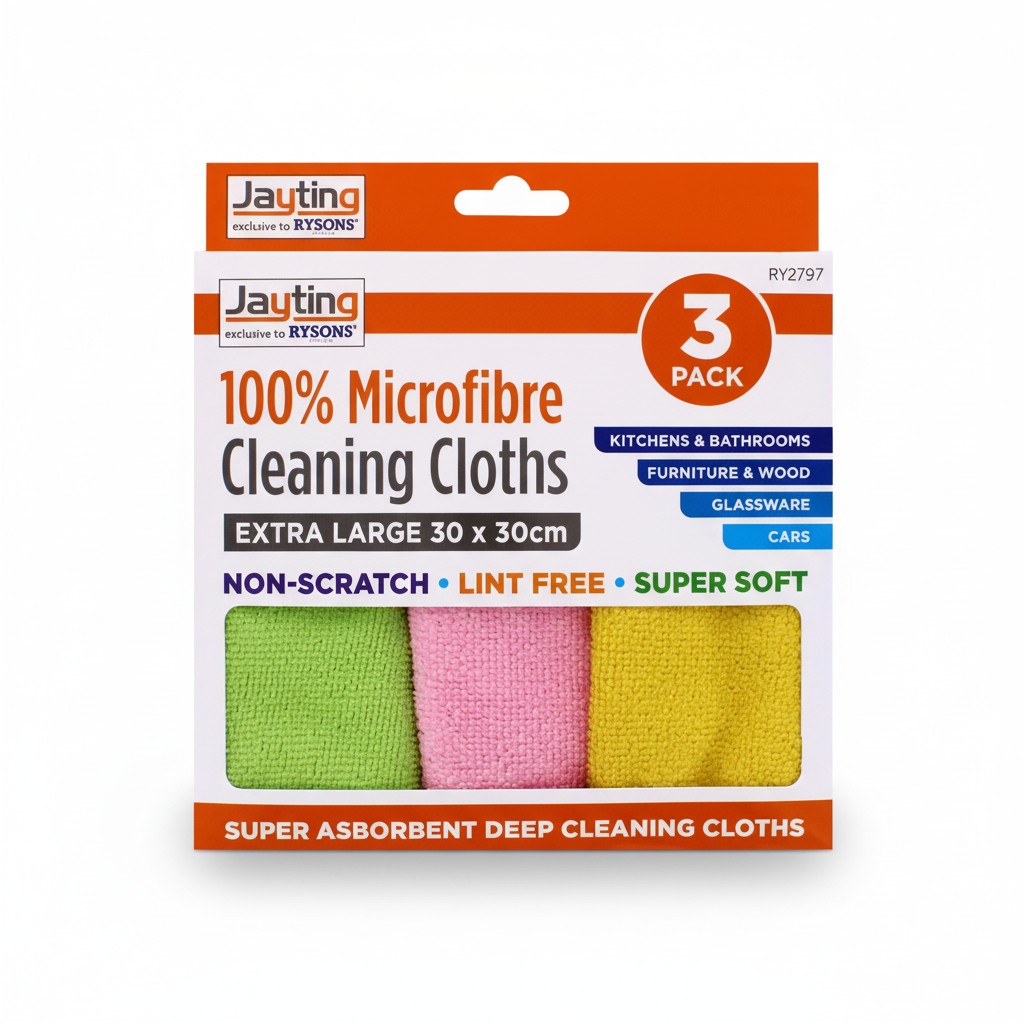
Consider core lines like Black Plastic Clothes Hangers, 10 Pack or Microfibre Cleaning Cloths, Extra Large, 3 Pack 30x30cm. These are not glamorous, but they are highly predictable. A shop owner should buy narrow and deep on proven sellers, not wide and shallow across novelty lines. When you buy a pallet of microfibre cloths, you know exactly what your margin is, you know they will not arrive damaged, and you know they have year-round demand across household and automotive categories.
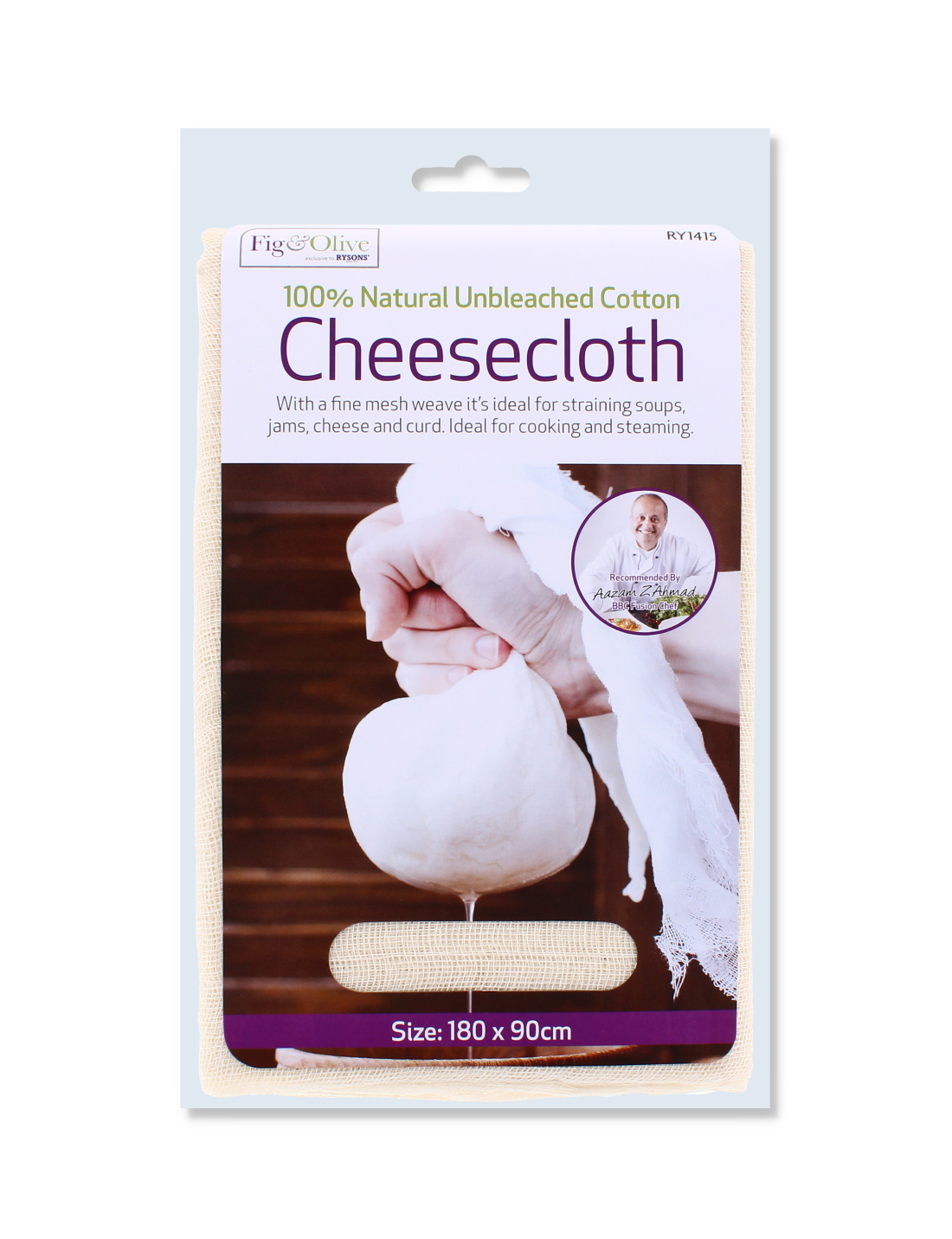
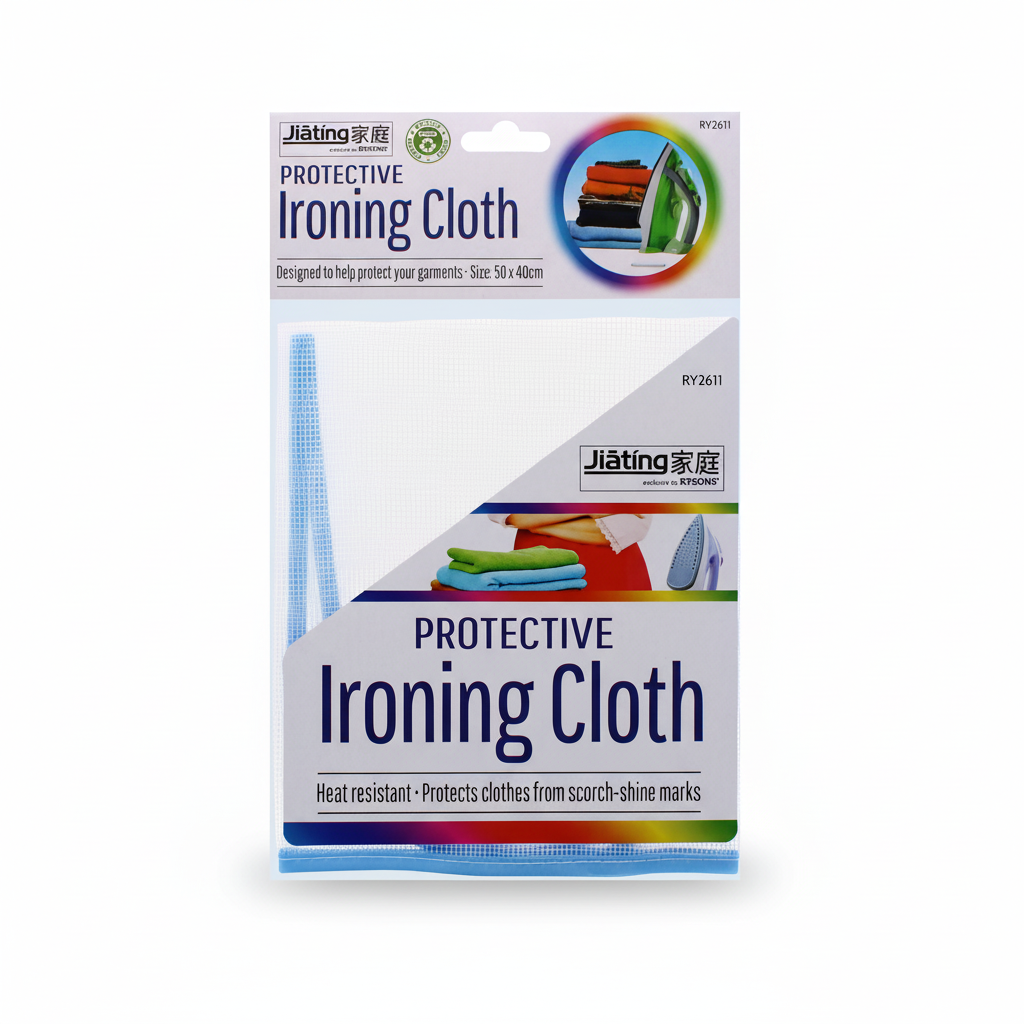
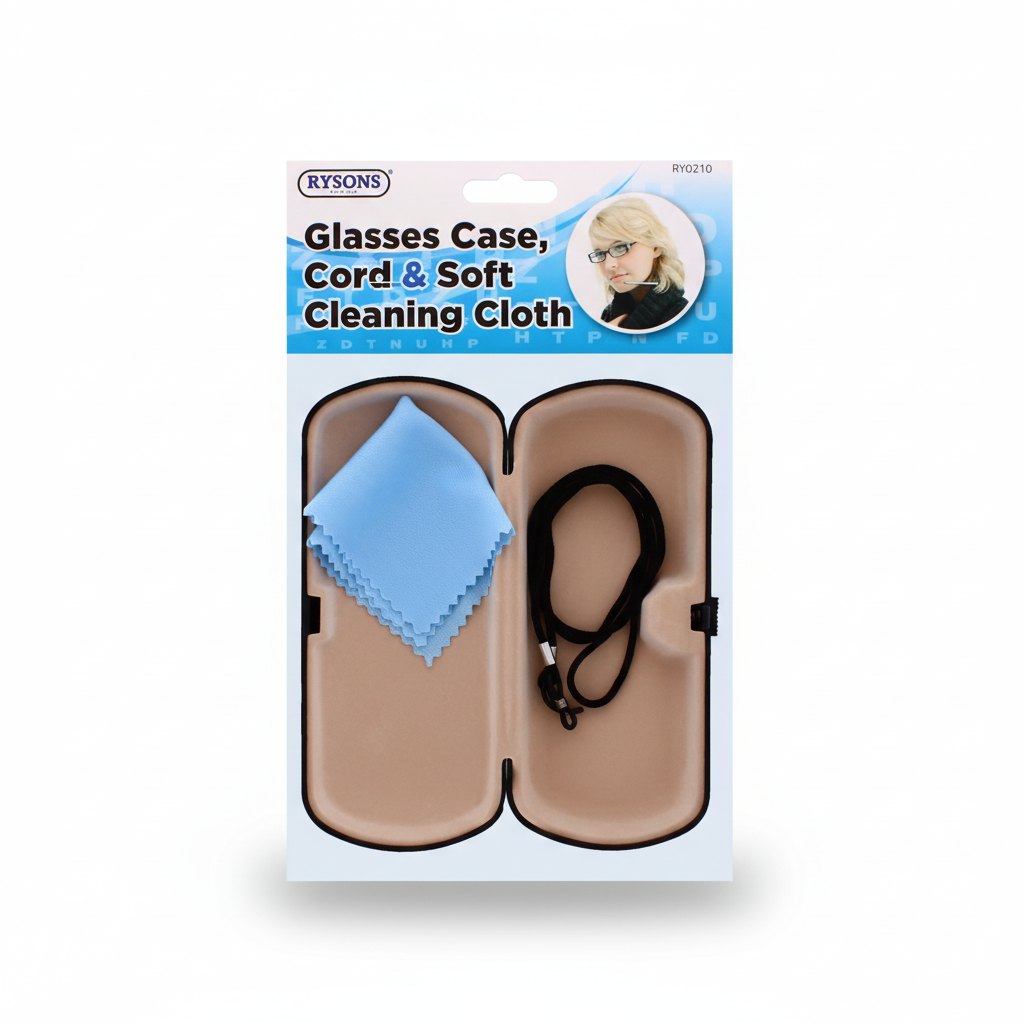
Beyond basic cleaning supplies, niche textiles like the Protective Ironing Mesh Cloth - 49.5 x 40cm or an Eyewear Protection Kit: Case, Cord & Cloth offer excellent add-on sales at the till. Because these are graded, brand-new items, they maintain their packaging integrity, making them perfect for immediate retail display. Another strong example of graded predictability is the Cheese Cloth, 100% Natural Unbleached Cotton, 180x90cm. It serves specific catering and DIY markets. You can forecast exactly how many units you will sell in a month and price them competitively without worrying about hidden defects.
Pick Graded Basics if:
- You need guaranteed cash turnover: You require stock that liquidates reliably to fund further purchases.
- You sell on strict marketplaces: Amazon and eBay heavily penalise sellers for defective items, making graded stock far safer.
- You lack sorting labour: You need boxes that can go straight from the delivery van to the shop floor or fulfilment centre without manual inspection.
Option B: Mystery Job Lots and Mixed Apparel
The alternative is the raw, unsorted job lot. These are often marketed as "abandoned parcels" or "customer returns." Top Down Trading, for instance, is currently running a November 2026 wholesale clearance sale highlighting high-margin job lots of branded clothing, designer fashion, sportswear, and vintage apparel.
The appeal here is the potential margin multiple. Finding a high-value branded jacket in a mixed clothing sack is highly profitable. However, clearance is not the same as cheap: a good clearance line is branded stock at a low price, not low-quality stock at a low price. Mystery textile lots often contain garments with broken zips, makeup stains, or missing tags. To make this model work, you must have the infrastructure to wash, repair, and individually list unique items.
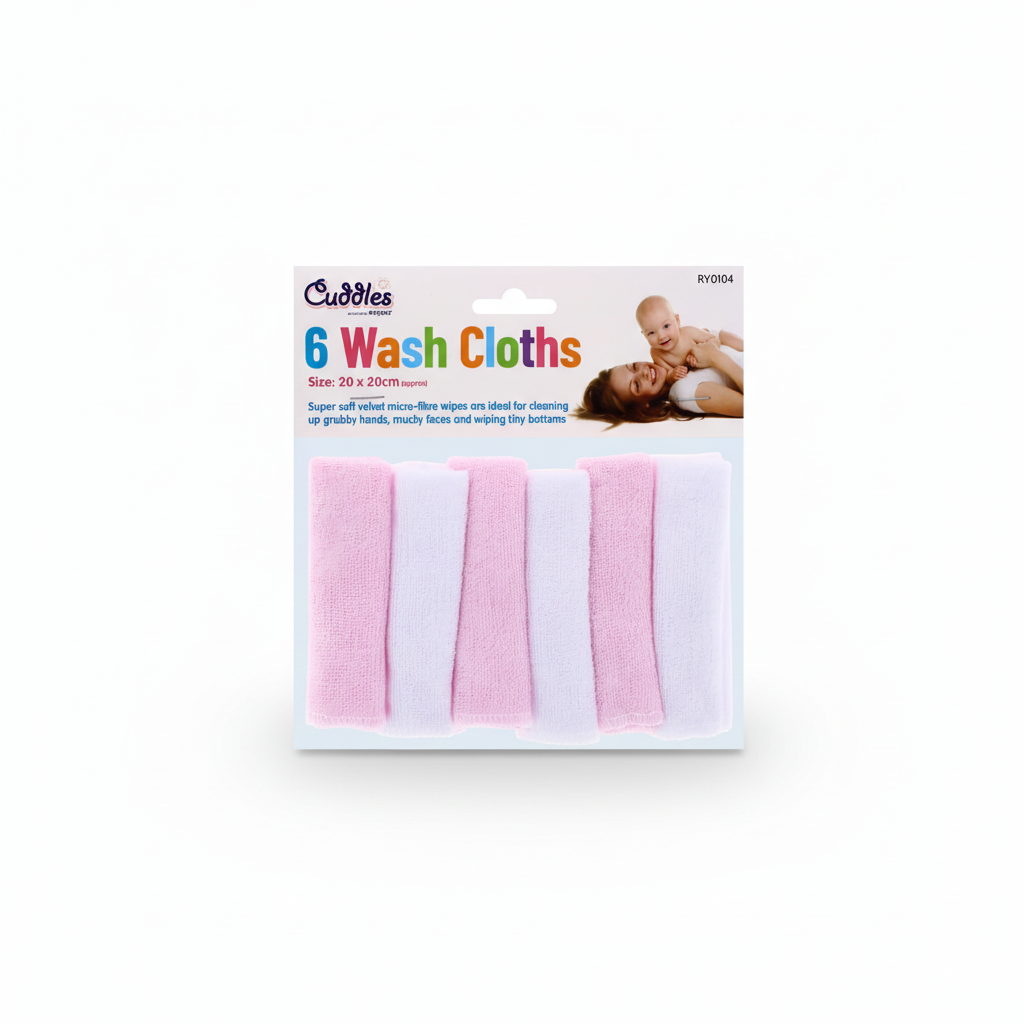
If you are looking for reliable textile margins without the sorting headache, graded lines like Cuddles Soft & Gentle Baby Wash Cloths 6 Pack Assorted Colours 20x20cm offer the steady volume of baby products without the high defect rates of customer-returned fashion.
Pick Mystery Job Lots if:
- You operate a physical market stall: You can dump mixed textiles onto a clearance table and let customers dig for bargains.
- You have cheap labour: You have the time and staff to manually inspect, grade, and photograph single items for platforms like Vinted or eBay.
- You can absorb a high defect rate: Your business model survives even if a large portion of the pallet goes straight into the textile recycling bin.

How to Choose: The Q4 Job Lot Checklist
When sourcing wholesale clearance job lots uk deals this season, apply this strict framework before committing your capital:
- Calculate the true unit cost: Assume a high waste rate on mystery lots. Recalculate your margin based only on the remaining sellable stock.
- Check the platform deadlines: If you are targeting Black Friday, ensure the pallet can be delivered, processed, and shipped to Amazon FBA before the November 18th cutoff.
- Assess the grading standard: Ask the supplier if the pallet is raw returns, graded returns, or brand new overstock. Never pay overstock prices for raw returns.
- Match stock to your space: Do not buy bulky mixed plastics if your stockroom is already full. Opt for dense, high-value textiles that take up less shelf space.
Frequently Asked Questions
How fast can job lots be sourced and listed before Black Friday cutoffs?
For Amazon deal windows closing November 18th, stock must be ordered well in advance. Graded pallets can be listed the same day they arrive, whereas mystery lots require days of manual sorting and individual photography for marketplace listings.
What margin multiples are realistic on clothing job lots right now?
Mystery fashion lots can occasionally yield high multiples on individual branded finds, but the overall pallet average often drops significantly once defects are factored in. Graded, brand-new basic textiles typically offer a lower but guaranteed margin with zero waste.
Where are the highest-margin opportunities located?
The most consistent margins are found in seasonal clearance from recent retail administrations or cancelled wholesale orders, rather than abandoned parcels. These provide brand-new, retail-ready stock at a fraction of the manufacturing cost, allowing for rapid cash collection.
The decision between mystery parcels and graded staples comes down to your operational capacity. If you want predictable cash flow to fund your core winter ranges, skip the gamble of mixed returns. Focus your capital on manifested, everyday essentials that turn over reliably. Check your inventory levels, calculate your required margins, and secure your Q4 stock today at Rysons.com.