

Inflation Proofing: Smart Stock for Retailers
The economic landscape in the UK continues to present unique challenges for retailers, with inflation remaining a significant factor influencing consumer behaviour. As B2B wholesalers, understanding these shifts is paramount to supporting our retail partners effectively. Cautious shoppers are now the norm, scrutinising every purchase and prioritising value, durability, and necessity. This blog post aims to provide actionable insights for UK retailers on how to strategically stock their shelves to not only survive but thrive in this environment.
Understanding the Cautious Shopper Mentality
Today's consumer is more discerning than ever. Faced with rising living costs, they are making conscious decisions about where and how they spend their money. This isn't about cutting back entirely, but rather about smarter spending. Retailers need to adapt by offering products that resonate with this new mindset.
Key Traits of Cautious Shoppers:
- Value-driven: They seek products that offer the best perceived value for money, whether through lower price points or superior durability.
- Necessity-focused: Discretionary spending is reduced, with a greater emphasis on essential items for home, family, and personal care.
- Longevity over trend: Products that last longer or serve multiple purposes are preferred over fleeting trends.
- Budget-conscious: Promotions, bundles, and clear pricing strategies are highly attractive.
- Seeking solutions: They look for products that help them save money in the long run, such as energy-efficient items or DIY solutions.
Strategic Stocking for Inflationary Times
For UK retailers, the answer lies in optimising stock to meet these evolving demands. This means a careful balance of essential goods, value-driven products, and items that offer long-term utility.

1. Prioritising Household Essentials and Value Lines
Regardless of economic conditions, households still require a steady supply of everyday essentials. Focusing on these core categories, particularly those offering competitive price points, is a robust strategy. Consider stocking a comprehensive range of household items, from cleaning supplies to kitchen necessities. Shoppers will always need these, and by offering them at accessible price points, retailers can secure consistent footfall and repeat purchases. Pound lines and multi-buy offers within these categories can be particularly effective in attracting budget-conscious consumers.
2. Embracing the DIY and Home Improvement Trend
With less disposable income for professional services, many consumers are turning to DIY for home repairs and improvements. This presents a significant opportunity for retailers to stock up on affordable tools and accessories. From basic repair kits to garden maintenance essentials, these products empower customers to save money by doing it themselves. Furthermore, items that help improve home efficiency or add value without breaking the bank can perform exceptionally well.

3. Focusing on Durability and Longevity
The 'buy cheap, buy twice' mentality is being challenged by consumers who now prefer to invest in items that last. While initial outlay might be slightly higher, the long-term savings make durable products highly attractive. This applies across various categories, from kitchenware to toys. For instance, robust, classic toys that withstand extensive play offer better value than flimsy, single-use items. Highlighting the longevity and quality of products in your merchandising can significantly influence purchasing decisions.
4. Health, Beauty & Pet Essentials: Non-Negotiables
Even when budgets are tight, certain categories remain relatively resilient. Personal care and pet products often fall into this 'non-negotiable' bracket. Consumers will continue to prioritise their health, hygiene, and the well-being of their pets. Stocking a good range of health & beauty essentials, from toiletries to basic cosmetics, ensures you meet consistent demand. Similarly, pet products, especially food, treats, and basic accessories, are often seen as essential spending for pet owners. Offering variety and value in these areas can maintain strong sales.
5. Seasonal and Opportunistic Buys
While cautious, shoppers still engage in seasonal activities and celebrations. However, their approach might be more pragmatic. Instead of high-end decorations, they might opt for versatile, reusable party supplies or affordable seasonal novelties. Retailers should focus on practical seasonal items that offer joy without extravagance. Additionally, keeping an eye on wholesale clearance opportunities allows retailers to acquire quality stock at reduced prices, which can then be passed on as attractive deals to consumers, reinforcing the 'value' message.
Implementing Your Strategy: Practical Steps for Retailers
- Analyse Sales Data: Identify your best-performing essential items and those that offer strong perceived value. Double down on these.
- Monitor Consumer Trends: Stay updated on what shoppers are prioritising. Are they cooking more at home? Investing in garden improvements? Adjust your stock accordingly.
- Optimise Pricing: Ensure your pricing is competitive and clearly communicates value. Consider multi-buy deals or bundle offers.
- Communicate Value Clearly: Use in-store signage and online descriptions to highlight durability, cost-saving benefits, or multi-purpose uses of products.
- Diversify Your Inventory: While focusing on essentials, ensure you have a broad enough range to cater to various needs and budgets within those categories.
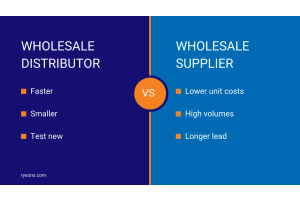
- Collaborate with Wholesalers: Work closely with your wholesale partners to identify new value lines, access clearance deals, and ensure consistent supply of popular items.
Conclusion: Building Resilience Through Smart Choices
Navigating an inflationary environment requires agility and a deep understanding of consumer psychology. For UK retailers, the key lies in stocking smart: focusing on essentials, embracing value, promoting durability, and responding to the practical needs of cautious shoppers. By aligning your inventory with these principles, you can build a resilient retail business that continues to serve its community effectively, even when economic headwinds persist. It's about offering solutions, not just products, and empowering your customers to make their money go further.
Ready to optimise your stock for today's market? Explore our extensive range of wholesale products designed to meet the demands of cautious shoppers and boost your retail success. Visit Rysons.com today and discover how we can support your business.