

Mastering Wholesale Margins in Tight Times

UK inflation easing to 2.6% this June, largely due to moderating transport costs, offers a brief, strategic window for retailers. While a third of shoppers are trading down to own-label and discounters, creating urgent margin pressure, smart wholesale buying can still secure profitability. This guide focuses on actionable strategies to stock the right ranges, understand realistic margins, and identify what truly sells.
What to Stock: Competing with Value and Quality
To bridge the gap against discounters like Clearance King, independent retailers must offer compelling value, whether through competitive pricing or unique product offerings. Focus on categories with consistent demand and those that allow for healthy markups even at lower price points.
Everyday Essentials with a Twist
Household staples are always in demand. Consider diversifying beyond basic cleaning supplies to include eco-friendly options or bulk-buy multi-packs that offer perceived value. For instance, cleaning products with a unique scent or a stronger formula can justify a slightly higher price point. Stocking larger formats of popular items also aligns with the current trend of bulk shopping reducing unit costs, as noted by Holland Bazaar.
Health and Wellness: A Growing Market
The demand for health-conscious products continues to rise. High-fibre snacks, sugar-free alternatives, and natural beauty items are strong performers. Look for wholesale health & beauty lines that cater to specific dietary needs or ethical consumer choices. A 50-70% markup is often achievable here, especially for niche items not widely available in supermarkets.
Pet Products: Consistent Demand
Pet ownership remains high, making pet products a reliable category. Focus on affordable pet toys, accessories, and grooming essentials rather than premium foods which are often dominated by larger chains. Items like durable chew toys or practical pet travel accessories can yield margins of 60-80%.
Seasonal & Party Supplies: High Turnover, High Margin
While seasonal items require careful inventory management, they offer excellent opportunities for quick turnover and high margins. Party supplies, for example, have predictable demand spikes. Stocking versatile decorations, disposable tableware, and novelty items can see markups of 100% or more, especially for impulse buys.
Realistic Margins: Protecting Your Bottom Line
In 2026, buyers are smarter, margins are tighter, and competition is everywhere, as Clearance King highlights. Protecting margins means understanding your costs thoroughly and pricing strategically.
Understanding Cost-Plus Pricing
A simple cost-plus model involves adding a desired percentage to your wholesale cost. For example, if an item costs you £1, a 100% markup means selling it for £2, yielding a £1 gross profit. Aim for an average gross margin of 40-60% across your store, adjusting for category and competitiveness.
Value-Based Pricing for Niche Products
For unique or harder-to-find items, you can implement value-based pricing. This means pricing according to the perceived value to the customer, rather than just cost. For example, a unique kitchen gadget could command a higher margin if it solves a common problem effectively.
Loss Leaders and Bundling
Consider using popular items with lower margins as 'loss leaders' to attract customers, then encourage them to buy higher-margin complementary products. Bundling related items, such as a stationery set (notebook, pens, highlighters), can increase the average transaction value and perceived customer value, even if individual item margins are modest.
What Sells and Why: Consumer Psychology
Understanding consumer behaviour is crucial for effective stocking and pricing. Shoppers are increasingly savvy and value-driven, especially with one-third trading down to discounters.
Impulse Buys at the Counter
Small, low-cost items placed near the till are excellent for impulse purchases. Think pound lines like novelty keychains, small confectionery, or travel-sized toiletries. These items often have high individual markups and contribute significantly to overall profit.
Problem-Solving Products
Products that solve an immediate problem or offer convenience sell well. Examples include compact DIY tools for minor household repairs, innovative storage solutions for small spaces, or car organisers from the auto accessories range. Shoppers are often willing to pay a premium for convenience.
Trends and Timeliness
Keeping an eye on current trends can unlock significant sales. For instance, with summer approaching, outdoor living and garden accessories will see increased demand. Similarly, back-to-school season drives sales in stationery and books. Timely stocking ensures you capture these peaks.
Your Wholesale Buying Checklist for This Week
- Review current stock: Identify slow-moving items to clear and fast-moving lines to reorder.
- Analyse supplier pricing: Consolidate orders where possible to hit bulk discounts and reduce delivery costs.
- Target high-fibre snacks: Research new and trending health food lines to compete with discounters.
- Stock up on seasonal essentials: Prepare for upcoming seasonal demand with relevant products.
- Evaluate margins: Adjust pricing on key lines to reflect current market conditions and competitor pricing.
Frequently Asked Questions
How can small retailers protect margins when cost pressures remain high despite transport cost easing?
Small retailers can protect margins by focusing on smart inventory management, negotiating better bulk deals with wholesalers, and strategically pricing their products. Emphasise unique product offerings or excellent customer service to differentiate from larger discounters, rather than solely competing on price.
Should retailers consolidate to fewer wholesale suppliers or bulk-buy to lock in current fuel-influenced pricing?
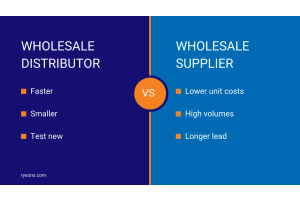
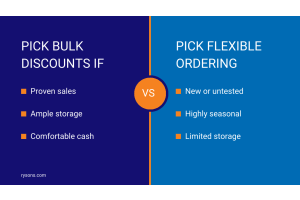
It's often beneficial to consolidate to fewer, trusted wholesale suppliers to gain better purchasing power and potentially reduce delivery costs. Bulk-buying certain stable, high-demand products can indeed lock in favourable pricing, especially with current fuel cost fluctuations, but always balance this against storage capacity and cash flow.
What trending health products like high-fibre snacks should they stock to compete with discounters?
To compete effectively, retailers should stock a diverse range of high-fibre snacks that cater to various dietary preferences, such as gluten-free, vegan, or low-sugar options. Look for innovative packaging, unique flavour profiles, or products from smaller, ethical brands that discounters may not carry, offering a unique selling proposition.
Navigating the current UK retail landscape demands agility and strategic buying. By focusing on smart wholesale choices, understanding realistic margins, and anticipating consumer needs, independent retailers can not only survive but thrive. Explore a vast range of wholesale products designed for profitability at Rysons.com and empower your retail business today.