

Maximise Retail Profit: Sourcing UK Wholesale

In the dynamic landscape of UK retail, the ability to source high-quality, competitively priced wholesale products is not just an advantage; it's a necessity for sustained profitability and growth. For B2B retailers across the country, understanding the nuances of the wholesale market and leveraging the right platforms can unlock significant opportunities. This comprehensive guide delves into how UK retailers can optimise their wholesale sourcing strategies, focusing on profit maximisation and effective platform utilisation.
Why UK Wholesale Sourcing is Crucial for Retailers
For any discerning UK retailer, the decision to source locally from wholesale suppliers offers a multitude of benefits that extend beyond mere convenience. It's a strategic move that can significantly impact your bottom line and customer satisfaction.
Key Advantages of Sourcing Within the UK:
- Reduced Lead Times: Quicker delivery means faster inventory turnover and the ability to respond swiftly to market trends and customer demand. This minimises the risk of stockouts and keeps your shelves consistently appealing.
- Lower Shipping Costs & Environmental Impact: Sourcing domestically often translates to significantly lower transportation costs compared to international imports. This not only benefits your profit margins but also aligns with growing consumer demand for more sustainable business practices.
- Enhanced Quality Control: UK wholesalers are typically subject to stringent UK and EU regulations, offering greater assurance of product quality and safety standards. This reduces the risk of receiving substandard goods and safeguards your brand reputation.
- Stronger Supplier Relationships: Proximity facilitates easier communication and stronger relationships with suppliers. This can lead to better terms, bespoke product development opportunities, and more reliable service.
- Support for the Local Economy: By choosing UK wholesalers, retailers contribute to the national economy, supporting local jobs and businesses, which can also be a positive selling point for your customers.
- Easier Returns and Customer Service: Dealing with UK-based suppliers simplifies the process of returns, exchanges, and resolving any potential issues, saving time and administrative hassle.
Navigating the UK Wholesale Landscape
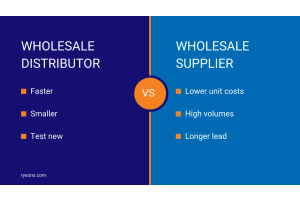
The UK wholesale market is diverse, encompassing everything from large national distributors to smaller, specialist suppliers. Understanding the different types of wholesalers is the first step to developing an effective sourcing strategy.

Types of UK Wholesalers:
- General Merchandise Wholesalers: These suppliers offer a broad range of products across multiple categories, often at competitive price points. They are ideal for retailers needing to stock a wide variety of home & garden items, health & beauty essentials, or general household goods.
- Speciality Wholesalers: Focusing on specific niches, these wholesalers provide a deeper selection within a particular product category, such as pet products, toys & games, or DIY supplies. They are excellent for retailers aiming for a curated product offering.
- Cash & Carry Wholesalers: These operate on a self-service model where retailers visit warehouses, select goods, and pay on the spot. They are great for immediate stock replenishment and often offer competitive pricing for bulk purchases.
- Drop-shippers: While not traditional wholesalers, drop-shipping suppliers handle inventory and shipping directly to your customers. This model reduces upfront investment and inventory risk, though margins can sometimes be tighter.
Strategic Sourcing for Maximum Profit
Profitability in retail hinges on more than just selling products; it's about intelligent procurement. Here's how to ensure your wholesale sourcing strategy translates into robust profits.
Key Considerations for Profitable Sourcing:
- Margin Analysis: Always calculate your potential profit margin per product. Consider the wholesale cost, shipping, storage, and your desired retail price. Don't just look at the lowest price; look at the best value that allows for a healthy margin.
- Market Demand & Trends: Keep a keen eye on consumer trends. What are customers searching for? What's popular on social media? Sourcing products that are in high demand ensures quicker sales and less dead stock. For example, the market for seasonal items is highly predictable and offers consistent opportunities.
- Supplier Reliability: A supplier's ability to consistently deliver on time and to the agreed quality is paramount. Delays or quality issues can lead to lost sales and damaged customer trust. Always check reviews and, if possible, start with smaller orders to test reliability.
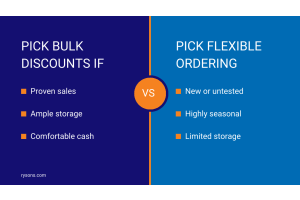
- Minimum Order Quantities (MOQs): Be aware of MOQs. While larger orders often mean better per-unit pricing, they also tie up more capital. Balance the cost savings with your inventory capacity and cash flow.
- Payment Terms: Negotiate favourable payment terms. Longer payment windows can significantly improve your cash flow, allowing you to reinvest profits or manage other operational expenses more effectively.
- Logistics & Storage: Factor in the cost and logistics of receiving and storing wholesale goods. Do you have adequate space? What are the handling costs? Efficient logistics can significantly impact overall profitability.
Top Platforms for Sourcing UK Wholesale
The digital age has transformed how retailers connect with wholesalers. While traditional methods still hold value, online platforms offer unparalleled reach and convenience.

Online Wholesale Marketplaces:
These platforms act as a hub, connecting thousands of UK wholesalers with retailers. They offer a vast selection, often with features like secure payment processing, order tracking, and supplier ratings. Examples include Faire, Ankorstore, and specific B2B sections of larger e-commerce sites.
Direct from Manufacturers/Distributors:
For larger retailers or those looking for exclusive products, going directly to manufacturers or their official distributors can yield better pricing and bespoke options. This often requires establishing a direct account and meeting higher MOQs.
Trade Shows & Exhibitions:
Despite the rise of online platforms, trade shows remain invaluable. Events like Spring Fair, Autumn Fair, and various specialist shows allow retailers to see products first-hand, meet suppliers face-to-face, and network with industry peers. These events are excellent for discovering new trends and building relationships.
Specialist Wholesale Providers:
Some providers, like Rysons, offer a comprehensive range of products across numerous categories, catering specifically to the needs of UK B2B retailers. They often combine the convenience of an online platform with competitive pricing and reliable service, making them a one-stop-shop for diverse inventory needs, from pound lines to clearance deals.
Optimising Your Wholesale Strategy for Growth
Sourcing is an ongoing process that requires continuous refinement. To truly maximise profit and ensure long-term success, retailers must adopt a proactive and adaptive approach.
Inventory Management Excellence:
Effective inventory management is the backbone of profitable retail. Implement robust systems to track stock levels, sales data, and reorder points. Tools like inventory management software can automate much of this process, preventing both overstocking (which ties up capital) and understocking (which leads to lost sales).
Data-Driven Decision Making:
Utilise your sales data to inform future purchasing decisions. What products are selling well? Which ones are slow movers? Analysing this data helps you make informed choices about what to reorder, what to discontinue, and where to allocate your budget for new stock. Look at seasonal peaks and troughs to anticipate demand for categories like party supplies or garden tools.
Building Strong Supplier Relationships:
Treat your wholesale suppliers as partners. Clear communication, prompt payments, and mutual respect can lead to better deals, priority access to new products, and greater flexibility during challenging times. A good relationship can be a significant competitive advantage.
Staying Ahead of Trends:
The retail world is constantly evolving. Subscribe to industry publications, follow market research firms, and engage with online retail communities. Being aware of emerging trends allows you to be an early adopter, capturing market share before competitors. This proactive approach applies to everything from sustainable packaging demands to the latest must-have toys.
Negotiation Skills:
Don't be afraid to negotiate, especially for larger orders or long-term commitments. Many wholesalers are open to discussing pricing, payment terms, or shipping arrangements. Even a small percentage reduction can significantly boost your overall profit margins.
The Power of Pound Lines and Clearance
For retailers seeking to offer exceptional value and attract price-sensitive customers, exploring pound lines and clearance sections from UK wholesalers is a highly effective strategy. These categories provide opportunities to acquire popular items at significantly reduced costs, allowing for attractive retail pricing and healthy profit margins.
- Pound Lines: These are products typically priced to sell for a pound or similar low price point. They are perfect for budget-conscious consumers and can drive high volume sales, often acting as impulse buys. Sourcing reliable pound lines ensures a steady stream of affordable, appealing products.
- Wholesale Clearance: Clearance stock consists of end-of-line, overstocked, or discontinued items. While they may not be the latest trends, they often represent incredible value. Retailers can purchase these goods at a fraction of their original wholesale cost, offering customers substantial savings while still making a good profit. It's an excellent way to diversify your inventory without a large investment.
Integrating these value-driven categories into your sourcing strategy can broaden your customer appeal, increase footfall (or website traffic), and provide attractive margins, particularly for discount stores, market traders, and online sellers focused on competitive pricing.
Conclusion
For UK B2B retailers, mastering the art of wholesale sourcing is fundamental to achieving and sustaining profitability. By strategically choosing UK suppliers, leveraging the right platforms, and adopting a data-driven approach to inventory and market trends, you can optimise your product offering, reduce costs, and significantly boost your bottom line. The UK wholesale market offers a wealth of opportunities for those who know how to navigate it effectively, ensuring your business remains competitive and profitable in an ever-evolving retail landscape.
Ready to streamline your wholesale sourcing and discover a vast range of products tailored for the UK market? Explore the extensive selection and competitive pricing available at Rysons.com today and empower your retail business for greater success.