

Smart Pricing: Navigating Cautious UK Shoppers

In today's dynamic UK retail landscape, understanding consumer behaviour is paramount. As economic headwinds continue to shape spending habits, retailers are increasingly encountering a more cautious, value-driven shopper. Inflationary pressures, rising energy costs, and general uncertainty have led consumers to scrutinise every purchase, making smart pricing strategies not just an advantage, but a necessity. For wholesale B2B suppliers and the UK retailers we serve, adapting to this shift is crucial for sustained success. This article delves into how you can optimise your pricing approach to appeal to these discerning customers, ensuring your products remain attractive and competitive.
Understanding the Cautious UK Shopper
The phrase "cautious shopper" isn't merely a buzzword; it reflects a tangible change in consumer psychology. Gone are the days of impulse buying for many; instead, purchases are often preceded by careful consideration, price comparisons, and a strong emphasis on perceived value and necessity. Several factors contribute to this behaviour:
- Cost of Living Crisis: Persistent inflation has eroded purchasing power, forcing households to prioritise essential spending and cut back on discretionary items.
- Economic Uncertainty: Fluctuating interest rates and broader economic predictions create an environment where consumers are more inclined to save than spend freely.
- Value Consciousness: Shoppers aren't necessarily looking for the cheapest option, but rather the best value for their money. This means a blend of quality, utility, and price.
- Digital Savvy: The accessibility of online price comparison tools means consumers are better informed than ever before, making transparency and competitive pricing non-negotiable.
For UK retailers, this means a need to move beyond simple mark-ups. It requires a strategic approach that acknowledges these consumer anxieties and offers solutions that resonate with their desire for security and value.

The Power of Perceived Value
In a cautious market, price alone isn't always the differentiator. Perceived value often holds more sway. This is the customer's subjective assessment of a product's worth relative to its cost. How can retailers enhance this perception?
- Quality and Durability: Highlight the longevity and reliability of your products. A slightly higher-priced item that lasts longer often represents better value than a cheaper, disposable alternative. For instance, when stocking household items, emphasise their robust construction and efficiency.
- Utility and Benefits: Clearly articulate how a product solves a problem or improves the customer's life. Focus on benefits, not just features.
- Brand Reputation: A strong, trustworthy brand can command a premium because consumers associate it with consistent quality and service.
- Ethical and Sustainable Practices: A growing segment of UK consumers is willing to pay more for products that align with their values, such as ethically sourced or environmentally friendly goods.
Smart Pricing Strategies for Today's Market
Navigating the cautious shopper environment requires a multi-faceted approach to pricing. Here are several strategies UK retailers can employ:

1. Competitive Pricing (Strategic, Not Destructive)
While a race to the bottom is rarely sustainable, understanding your competitors' pricing is essential. Use this information not to undercut them relentlessly, but to position your products effectively. If your product offers superior quality or unique features, justify a slightly higher price by clearly communicating that added value. For everyday essentials like cleaning supplies, competitive pricing is often critical, but even here, highlighting efficiency or eco-friendliness can create a unique selling proposition.
2. Value Bundling
Bundling complementary products together at a slightly reduced combined price can increase perceived value and encourage larger purchases. For example, pairing a popular toy with a small accessory, or a bathroom essential with a related cleaning product. This strategy works well because it offers convenience and the feeling of a "deal" without devaluing individual items.
3. Psychological Pricing
This involves setting prices that appeal to consumer psychology. Examples include:
- Charm Pricing: Ending prices with .99 or .97 (e.g., £9.99 instead of £10.00) creates the perception of a lower price point.
- Price Anchoring: Presenting a higher-priced item first can make subsequent, more moderately priced items seem like a better deal.
- Decoy Effect: Introducing a third, less attractive option can steer customers towards your preferred middle-ground product.
4. Tiered Pricing and Volume Discounts
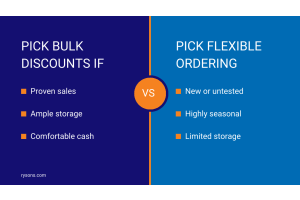
For certain product categories, offering different price tiers (e.g., basic, standard, premium versions) allows customers to choose based on their budget and desired features. Similarly, volume discounts can incentivise larger purchases, which is particularly effective for items with frequent repurchase cycles or for businesses targeting other small businesses. This is a common practice for pound lines, where bulk buying is often expected.
5. Loss Leaders
Strategically pricing a popular item very low (sometimes even below cost) can attract customers into your store or onto your website. Once there, they are more likely to purchase higher-margin items. This requires careful selection of the loss leader and an understanding of customer purchase patterns.
6. Dynamic Pricing (Where Applicable)
Leveraging data to adjust prices in real-time based on demand, competitor pricing, and inventory levels can maximise profits. While more complex, dynamic pricing is increasingly accessible and can be highly effective in fast-moving sectors or for products with fluctuating demand, such as seasonal items.
7. Subscription Models
For consumables or regularly needed items, a subscription model can offer convenience and cost savings to the customer, while providing predictable revenue for the retailer. This model often appeals to cautious shoppers seeking consistent value and avoiding last-minute premium prices.
Beyond Price: Enhancing the Overall Shopping Experience
While smart pricing is vital, it's part of a larger ecosystem. The overall shopping experience plays a significant role in customer retention and brand loyalty, especially for cautious shoppers who value reliability and trust.
- Exceptional Customer Service: Friendly, knowledgeable staff and efficient problem resolution can turn a one-time buyer into a loyal customer, even if your prices aren't the absolute lowest.
- Clear Communication: Be transparent about pricing, shipping costs, and return policies. Hidden fees or complicated terms erode trust.
- Product Presentation: High-quality product images, detailed descriptions, and user reviews build confidence and justify perceived value.
- Seamless Shopping Journey: Whether online or in-store, a smooth, hassle-free experience encourages purchases and repeat business.
The Wholesale Advantage: Partnering for Success
As a UK B2B wholesale supplier, our role is to empower retailers with the products and insights needed to thrive in this challenging environment. We understand that your success directly impacts ours. By offering competitive wholesale pricing, a diverse range of quality products, and efficient logistics, we aim to be an invaluable partner.
We continuously monitor market trends and consumer demand to ensure our product lines, from everyday essentials to niche categories, are relevant and desirable. Our commitment is to provide you with the inventory that allows you to implement these smart pricing strategies effectively, ensuring you can offer compelling value to your cautious customers.
Conclusion
Navigating the landscape of cautious UK shoppers requires more than just reacting to price wars; it demands a proactive, strategic approach to value creation and communication. By understanding the psychology behind consumer caution and implementing smart pricing strategies – from value bundling to psychological pricing – UK retailers can not only sustain their businesses but also foster stronger, more loyal customer relationships.
Remember, the goal isn't always to be the cheapest, but to be the best value. Focus on quality, utility, and a superior customer experience, and your business will be well-positioned to flourish, even in economically challenging times.
Ready to optimise your product offering and pricing strategy? Explore our extensive range of wholesale products designed to meet the demands of today's cautious UK shopper. Visit Rysons.com today and discover how we can support your retail success.