

Stocking Cheese Cloth: Retailer's Profit Guide
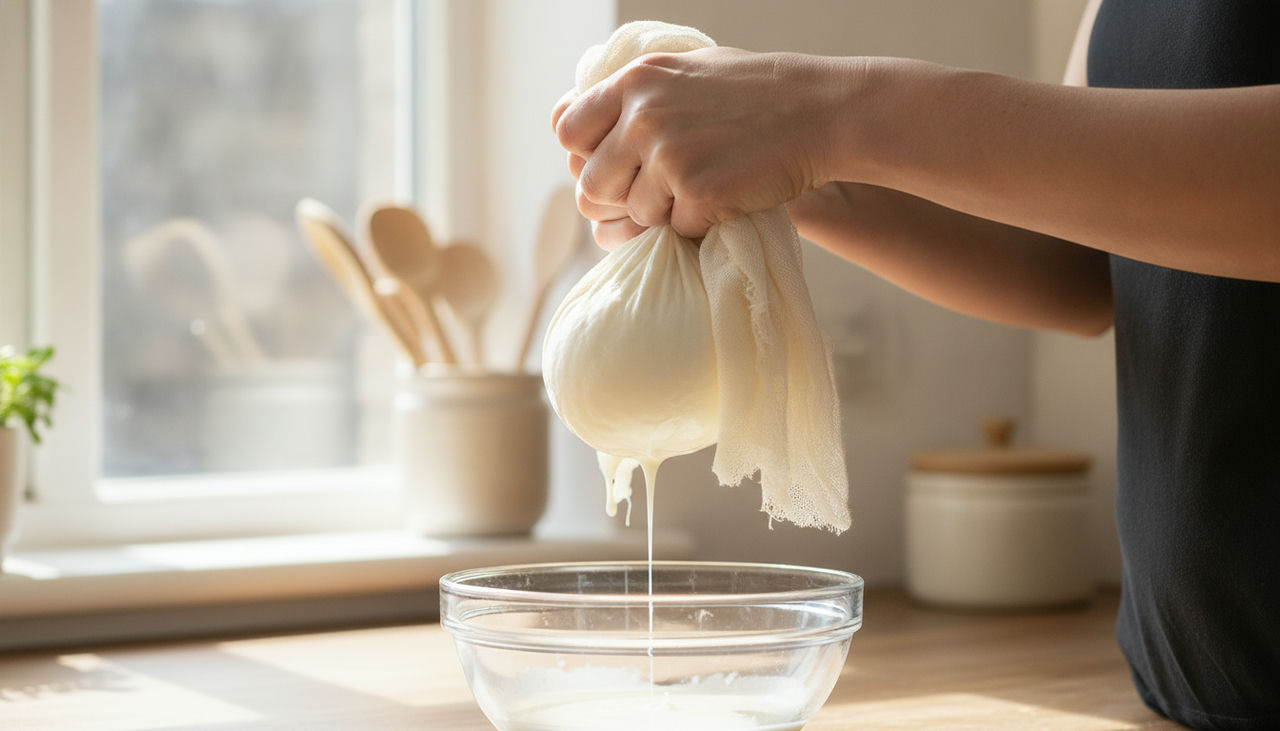
With summer craft projects and home food preservation gaining traction, now is an opportune time for UK retailers to evaluate their kitchen textiles wholesale offerings. Cheese cloth, often overlooked, presents a surprising breadth of retail applications and healthy profit potential. This guide will walk you through stocking strategies, margin expectations, and what sells to help you capitalise on this versatile product.
The Many Uses of Cheese Cloth in Retail
Cheese cloth is far more than just a culinary tool for straining curds. Its natural, breathable, and lint-free properties make it a staple across various customer segments. From gourmet cooking to home décor and even personal care, understanding these diverse applications is key to effective merchandising.
Culinary Applications: Beyond Cheese
- Food Preparation: While its name suggests cheese making, it's essential for straining stocks, broths, and fruit juices for jellies and jams. It's also perfect for bundling herbs for bouquet garni or making spice bags.
- Baking & Roasting: Chefs use it to baste poultry, keep fish intact during poaching, or even proof bread dough.
- Fermentation: As artisanal food trends continue, home brewers and fermenters require cheese cloth for kombucha, kefir, and other fermented goods.
Craft & DIY Projects
- Staining & Finishing: Woodworkers and DIY enthusiasts use it for applying stains, waxes, and polishes due to its lint-free nature.
- Art & Decor: Artists use it for texture in paintings or sculptures. Home crafters transform it into rustic décor, ghost decorations for Halloween, or even unique gift wrapping.
- Gardening: Gardeners utilise it to protect seedlings from pests or to bag ripening fruit on trees.
Household & Personal Care
- Cleaning & Polishing: Its soft, absorbent texture makes it ideal for streak-free cleaning of windows, mirrors, or polishing delicate surfaces. Customers often look for alternatives to synthetic cloths.
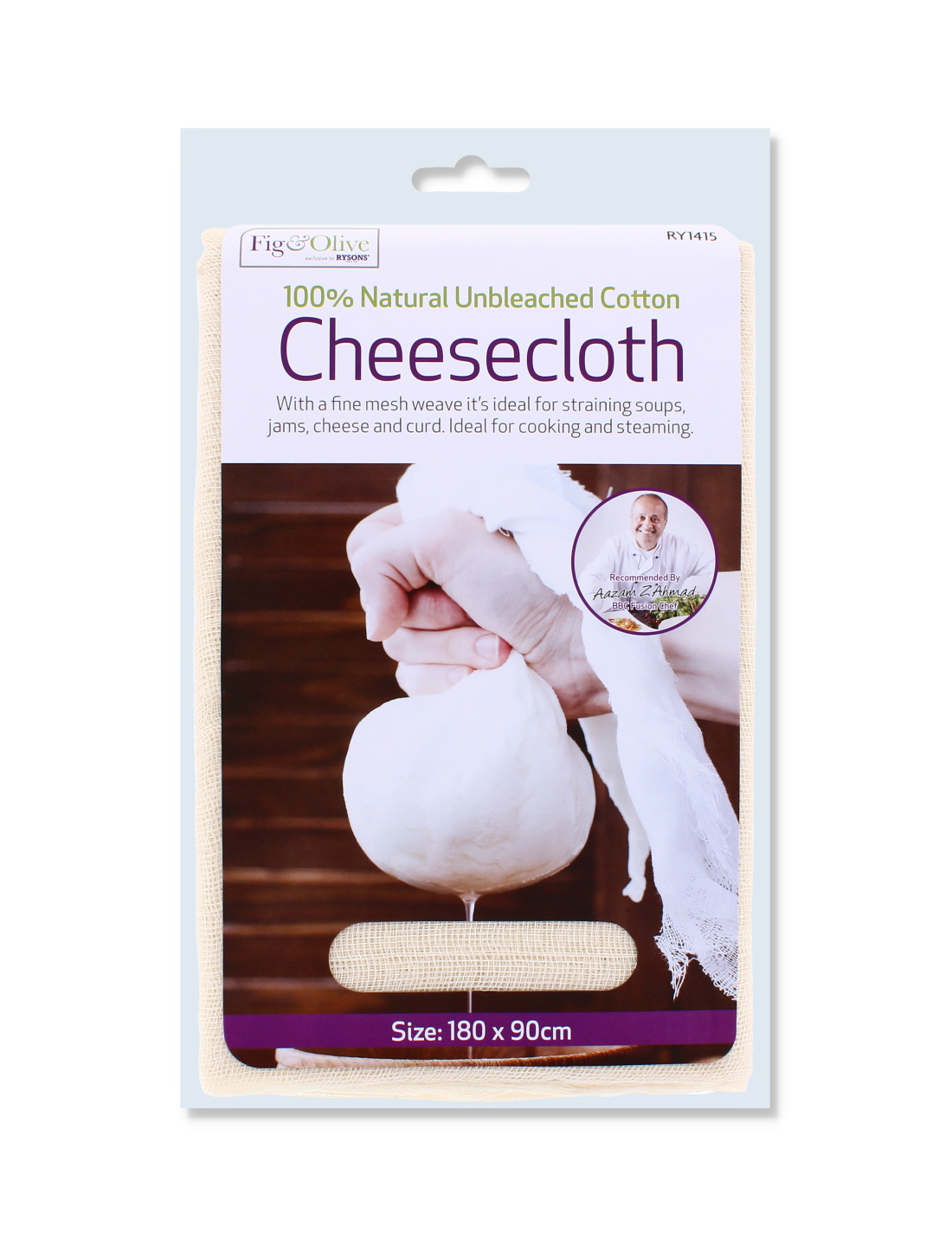
- Beauty & Skincare: Some customers use it for facial steaming, gentle exfoliation, or applying toners, especially the unbleached varieties like our Cotton Cheese Cloth 100% Natural Unbleached.
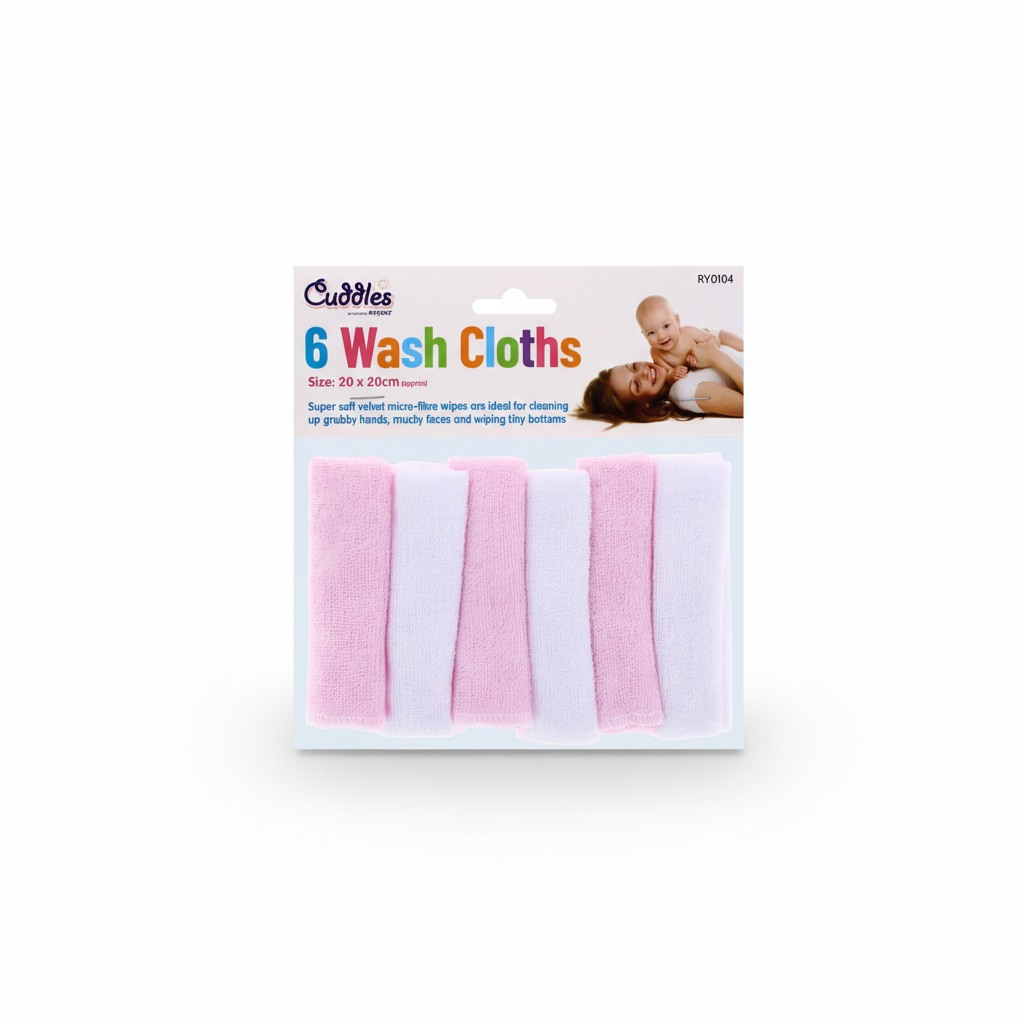
- Baby Care: While not a direct replacement for dedicated baby cloths, some parents appreciate its natural fibre for gentle wiping or straining baby food. For dedicated baby care, consider stocking our baby products like the Soft & Gentle Baby Wash Cloths - 6 Pack Assorted colours.
Quality Considerations for Wholesale Cheese Cloth
When sourcing bulk cheese cloth, quality is paramount. It directly impacts customer satisfaction and your repeat business. Key factors include weave, material, and processing.
Featured Wholesale Products

Thread Count & Weave
Cheese cloth is categorised by its thread count or grade, indicating the number of threads per inch. Higher thread counts (e.g., Grade 90) offer a tighter weave, making them suitable for fine straining, while lower counts (e.g., Grade 10) are more open, ideal for basting or crafts. Stocking a range allows you to cater to different needs.
Material & Bleaching
Most cheese cloth is 100% cotton. Offering both unbleached and bleached options is wise. Unbleached, natural cotton is preferred for food preparation and organic-conscious customers. Bleached versions are often chosen for cleaning or crafts where appearance is less critical. Ensure any bleached product is food-safe if marketed for culinary use.
Packaging & Presentation
Consider how the cheese cloth is packaged. Bulk rolls are cost-effective for you, but pre-cut, retail-ready packs (e.g., 2-yard or 5-yard lengths) are more appealing to individual consumers. Clear, informative packaging that highlights multiple uses will drive sales.
Targeting Different Customer Segments
Understanding your customer base is crucial for effective stocking and merchandising. Cheese cloth appeals to several distinct groups, each with specific needs and price sensitivities.
The Home Cook & Baker
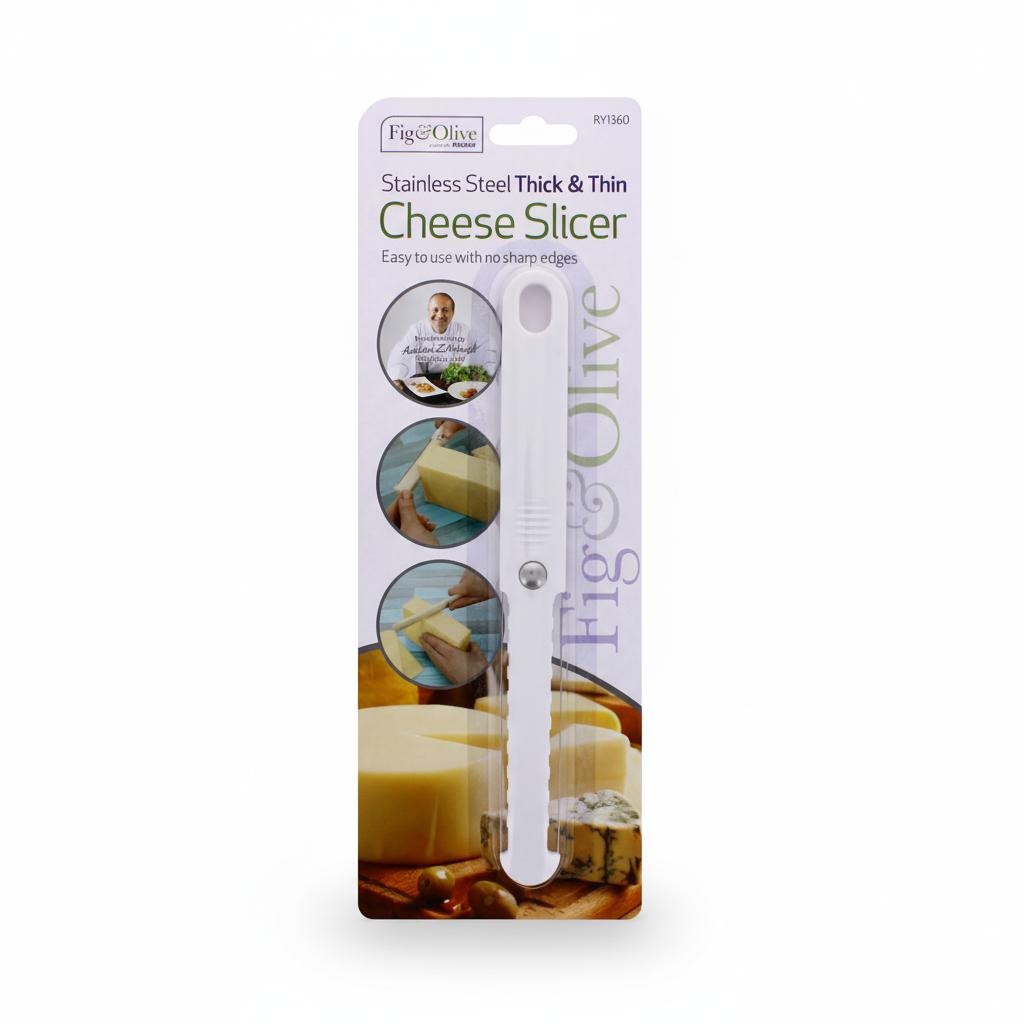
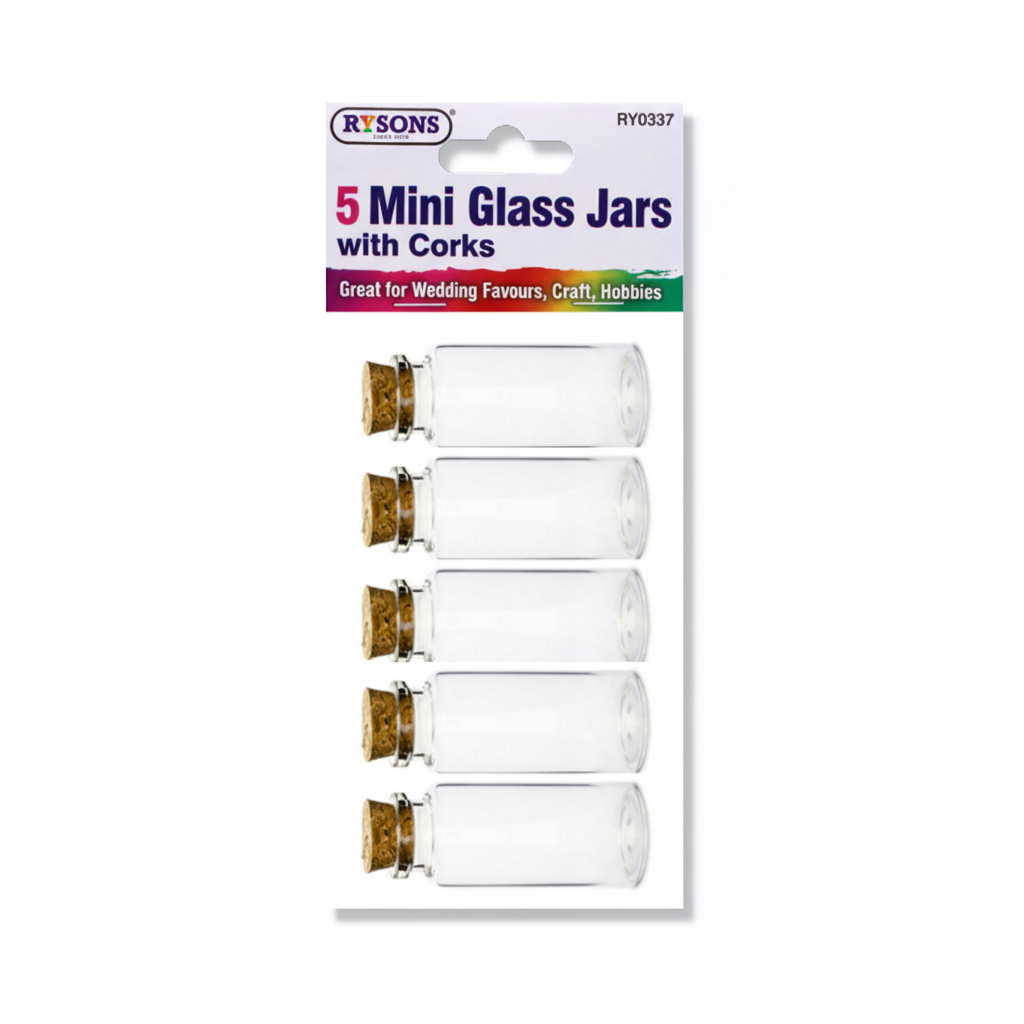
This segment values durability, food-grade quality, and convenience. They'll likely buy 2-5 yard packs. Pair cheese cloth with other kitchen essentials like a Stainless Steel Cheese Slicer or small glass craft jars - 5 pack for preserving, to encourage impulse buys.
The Crafter & DIY Enthusiast
These customers often buy larger quantities or bulk rolls, especially for bigger projects or workshops. Emphasise the versatility for painting, staining, or decorative uses. Consider cross-merchandising with DIY tools or art supplies.
The Eco-Conscious Consumer
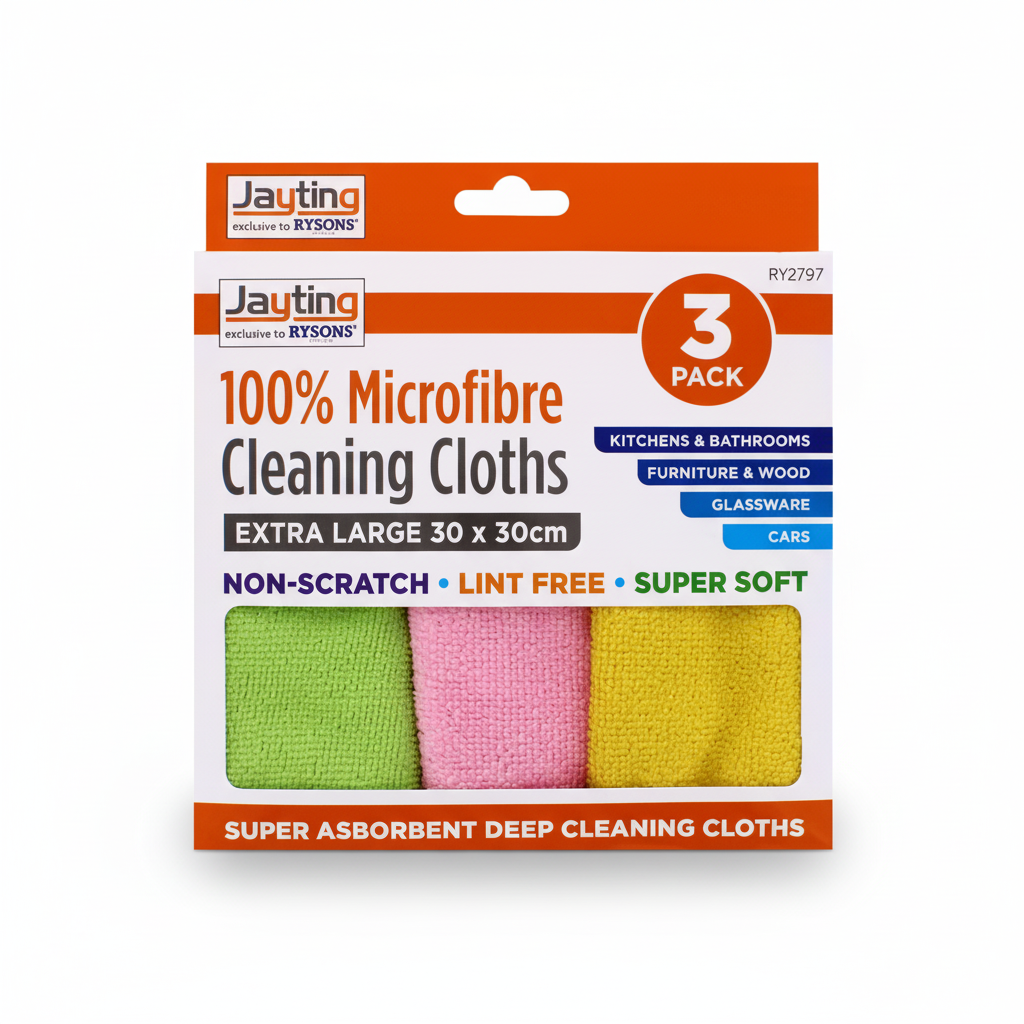
This group will gravitate towards unbleached, natural cotton options. Highlight the reusability and natural fibres. They might also be interested in other eco-friendly cleaning alternatives like Microfibre Cleaning Cloths 3 Pack.
Realistic Margins & Pricing
Wholesale cheese cloth typically offers healthy margins, often in the 40-60% range, depending on your source and retail price point. Smaller, pre-packaged units usually command higher per-unit margins. Consider tiered pricing for larger quantities to appeal to crafters and bulk buyers.
Sourcing Bulk Cheese Cloth Effectively
Efficient sourcing is critical to maintaining profitability. Look for reliable wholesalers offering competitive pricing and consistent quality.
What to Look For in a Supplier
- Consistent Quality: Ensure your supplier provides the same grade and material with every order.
- Competitive Pricing: Compare prices across various wholesalers, but don't compromise on quality for a lower price.
- Reliable Delivery: Timely delivery is essential, especially during peak seasons.
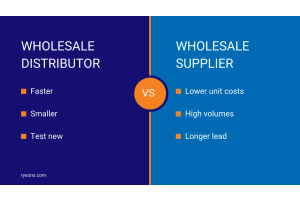
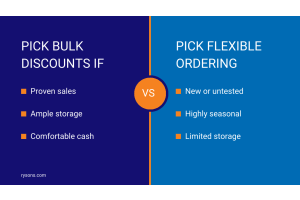
- Minimum Order Quantities (MOQs): Find a supplier whose MOQs align with your storage capacity and sales volume.
Practical Sourcing Checklist
- Identify your target grades: Determine if you need Grade 10, 50, 90, or a mix.
- Choose material: Decide on bleached, unbleached, or both.
- Assess packaging: Retail-ready packs vs. bulk rolls for cutting down.
- Compare wholesale prices: Obtain quotes from at least three suppliers.
- Check lead times: Confirm delivery schedules before committing.
What Sells and Why
Unbleached, medium-grade (around Grade 50-60) cheese cloth in 2-5 yard retail packs consistently sells well due to its versatility for both kitchen and craft use. Customers appreciate clear labelling that suggests multiple applications, making their purchase feel more valuable. Bundling with related items, such as a recipe card for straining homemade yogurt, can also boost sales.
Frequently Asked Questions
What are the most profitable types of cheese cloth to stock?
The most profitable types are often the versatile, unbleached, medium-grade options packaged in convenient 2-5 yard lengths. These appeal to a broad customer base for both culinary and craft uses, allowing for higher retail mark-ups per unit.
How can I display cheese cloth to maximise sales?
Display cheese cloth alongside complementary products. For example, in the kitchen section with preserving jars or baking accessories, and in the craft section with paints or staining supplies. Use clear signage that highlights its diverse applications to inspire purchases.
Is there seasonal demand for cheese cloth?
While cheese cloth has year-round utility, demand often peaks during summer for preserving and canning, and again in autumn for seasonal crafts like Halloween decorations or holiday baking. Stocking up slightly before these periods can help you meet increased customer interest.
By understanding the broad appeal and quality considerations for wholesale cheese cloth, you can confidently integrate this versatile product into your retail inventory. It's an item that offers strong margins and caters to a wide array of customer needs, making it a smart addition to your offering. Explore the full range of wholesale products at Rysons.com today.