

Maximising Hand Tool Profit: Your Retail Margin Playbook
UK retailers can expect a forecasted growth of USD 328.6 million in the hand tools market by 2028, accelerating at a CAGR of 5.78%. This growth, coupled with a shift towards DIY projects driven by cost pressures, presents a clear opportunity for shops stocking quality tools and supplies. The key to capturing this market isn't just about stocking; it's about understanding the profit potential of each line, from cost price to RRP, ensuring healthy cash margins both per unit and per case.
The Demand for Quality Hand Tools in Retail
Consumers are increasingly taking on home improvement projects themselves, making access to reliable hand tools more critical than ever. While offline channels still account for a dominant 70% revenue share in the hand tools market, the focus has shifted from simply buying the cheapest option to seeking genuine value and quality. Retailers who prioritise this balance will foster repeat business and avoid the hidden costs of returns and dead stock that often accompany low-quality inventory.
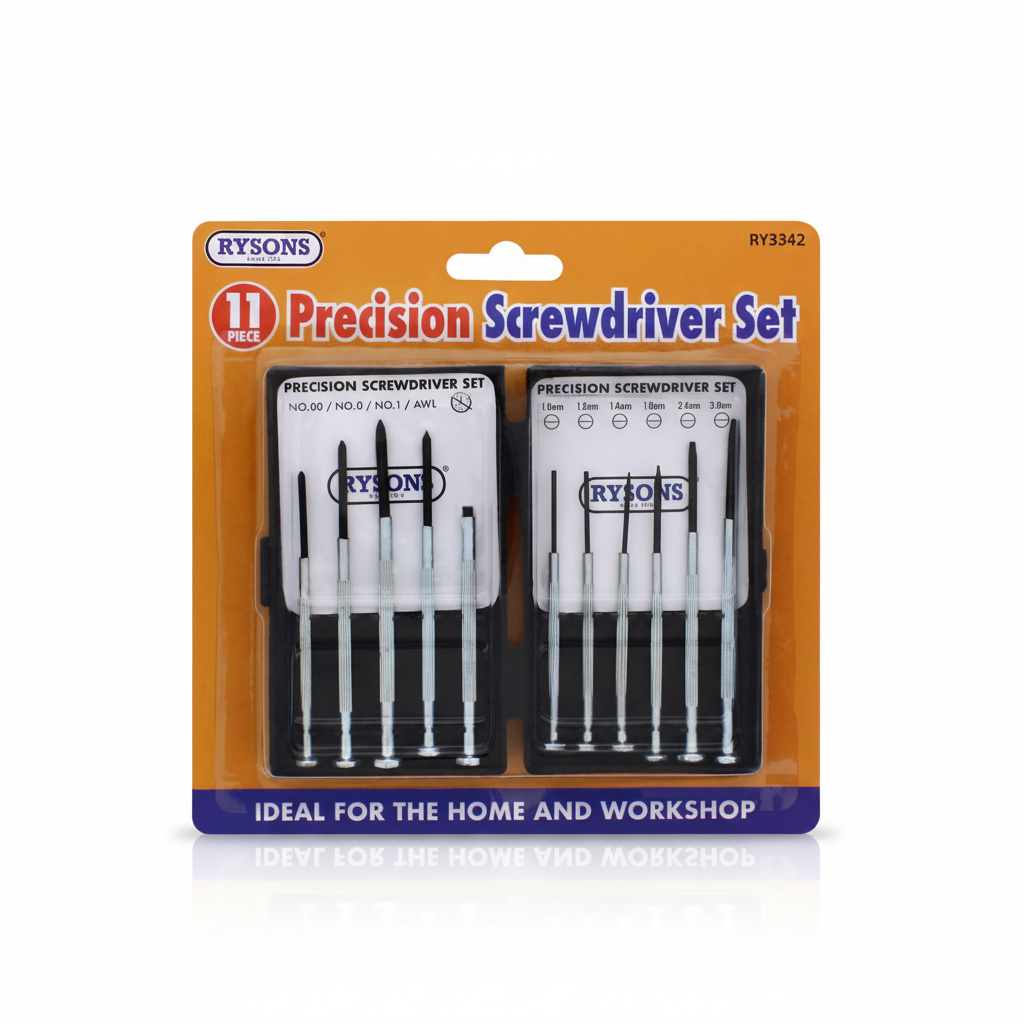
A shop owner should always buy narrow and deep on proven sellers, rather than spreading investment wide and shallow across novelty lines. For instance, a core range of essential hand tools like a Precision Screwdriver Set - 11 Piece offers consistent demand. This approach ensures your shelves are stocked with items that move quickly, optimising your inventory turnover.
Featured Wholesale Products
Building Your Inventory: Essential DIY Supplies
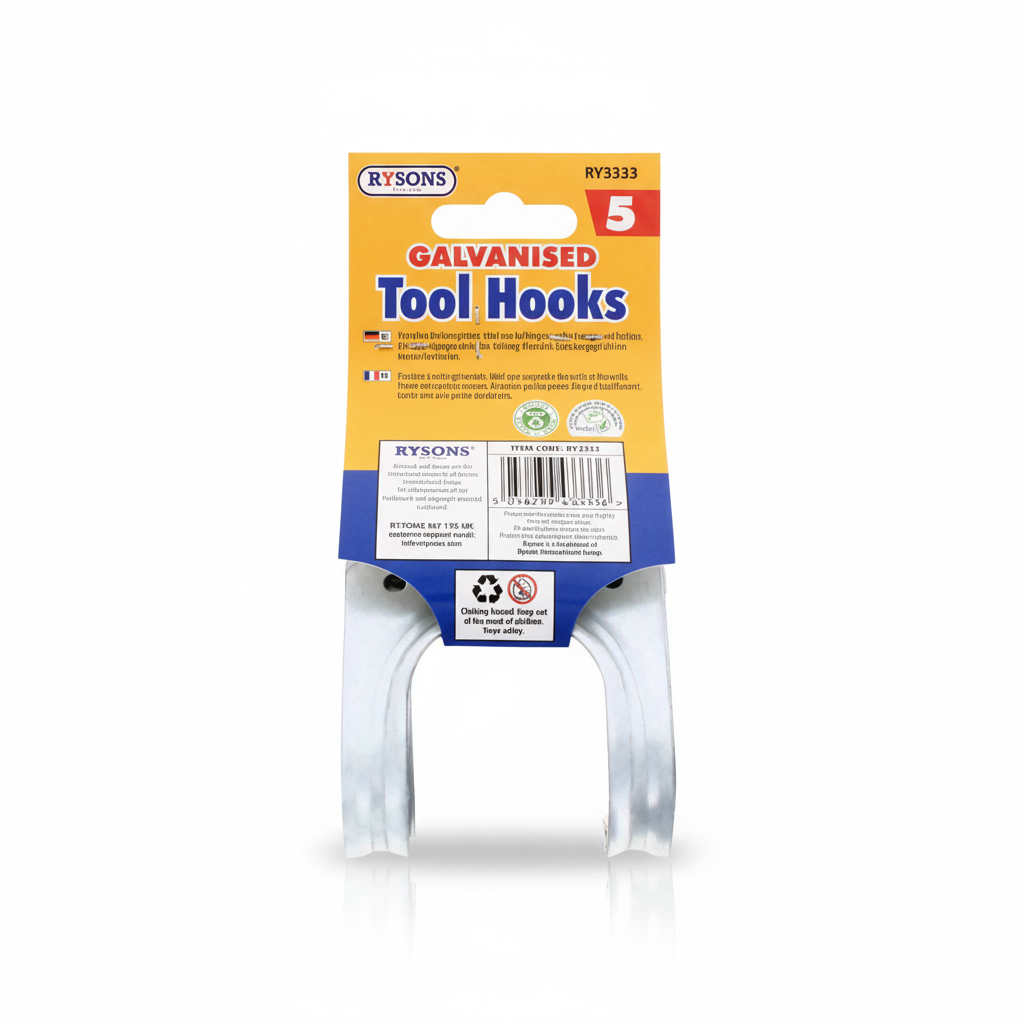
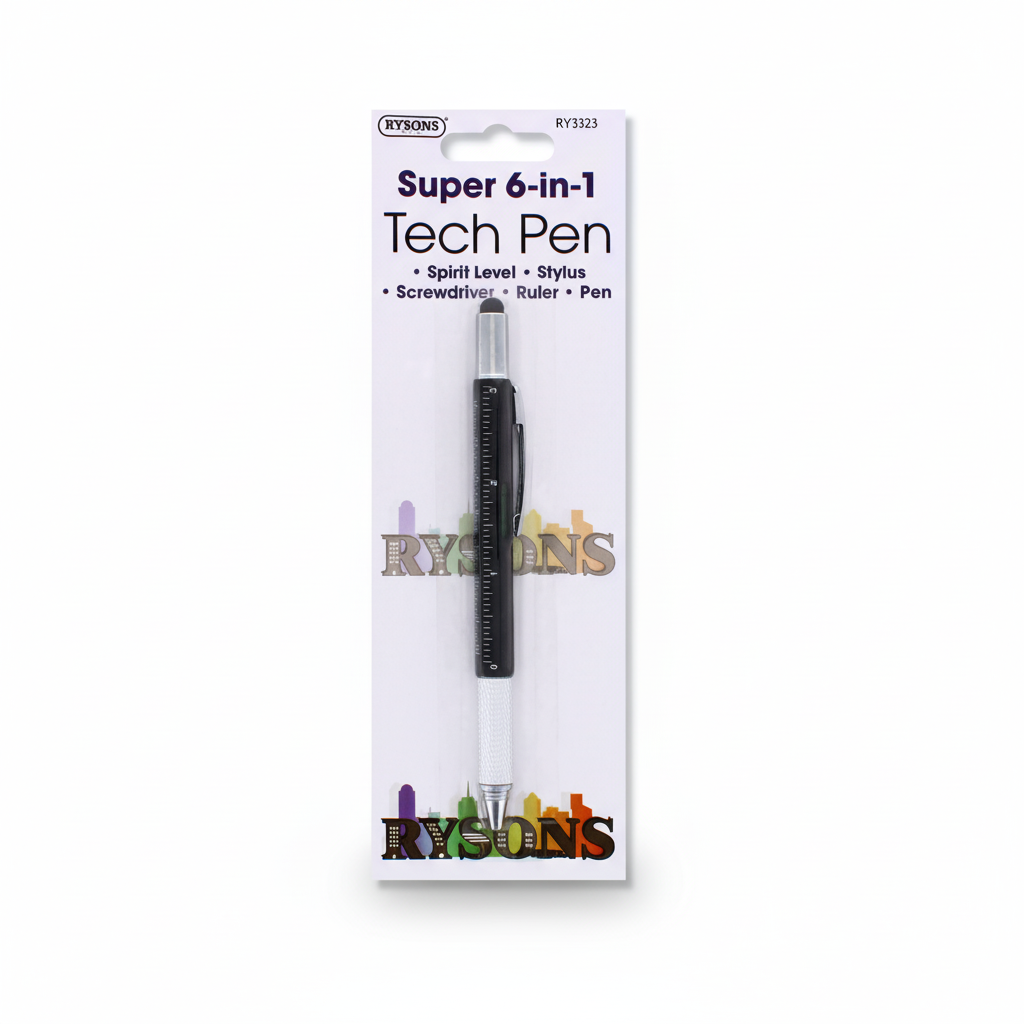
Successful DIY retail relies on a well-curated inventory that meets immediate consumer needs. Beyond individual tools, consider multi-functional items and practical accessories. A 6-in-1 Multi-Tool Pen, for example, offers convenience and novelty, appealing to impulse buyers and those looking for compact solutions. Similarly, practical organisation solutions like Galvanised Steel Tool Hooks 5 Pack are perennial sellers, helping customers keep their new tools tidy.
When selecting DIY supplies, think about the full project lifecycle. From basic repairs to small home improvements, customers need a comprehensive offering. Rysons, a family-run importer and distributor from Manchester for over 40 years, understands this need, offering around 5,000 active lines across general merchandise, clearance, and pound lines, ensuring retailers can find the right balance for their specific customer base.
Unbeatable Trade Prices on Bulk Hand Tools at Rysons
Securing competitive trade prices on bulk wholesale hand tools UK for retailers is fundamental to maximising your profit margins. Buying in bulk from a direct importer like Rysons, which maintains its own Manchester warehouse, cuts out unnecessary middlemen. This direct approach translates into better cost prices for you, allowing for healthier retail mark-ups.
Worked Example 1: Precision Screwdriver Set - 11 Piece
Let's consider a common bulk purchase:
- Product: Precision Screwdriver Set - 11 Piece
- Case Quantity: 24 units
- Rysons Cost Price Per Unit: £1.25
- Total Case Cost: £1.25 x 24 = £30.00
- Suggested RRP Per Unit: £3.99
- Cash Margin Per Unit: £3.99 - £1.25 = £2.74
- Total Cash Margin Per Case: £2.74 x 24 = £65.76
- Percentage Margin: (£2.74 / £3.99) x 100 = 68.67%
This example demonstrates how a well-priced bulk item can yield significant per-unit and per-case profits, essential for any retail operation, from independent shops to eBay/Amazon sellers.
Worked Example 2: Galvanised Steel Tool Hooks 5 Pack
Now, let's look at a popular accessory:
- Product: Galvanised Steel Tool Hooks 5 Pack
- Case Quantity: 48 units
- Rysons Cost Price Per Unit: £0.75
- Total Case Cost: £0.75 x 48 = £36.00
- Suggested RRP Per Unit: £2.49
- Cash Margin Per Unit: £2.49 - £0.75 = £1.74
- Total Cash Margin Per Case: £1.74 x 48 = £83.52
- Percentage Margin: (£1.74 / £2.49) x 100 = 69.88%
These figures highlight the robust profitability available when sourcing trade tools wholesale from a reliable supplier. The ability to collect in person from our Manchester warehouse also offers an advantage to local buyers, saving on shipping costs and allowing for immediate stock replenishment.
What Most Shops Get Wrong with Tool Stock
A common pitfall for independent retailers is falling into the trap of buying the absolute cheapest version of a line. While the initial cost saving might seem attractive, it often leads to higher returns, customer dissatisfaction, and ultimately, dead stock that wipes out any perceived saving. The focus should always be on value and quality to encourage repeat business. Retailers need concrete guidance on SKU selection strategy by channel, not just supplier lists.
For a small shop or a new online seller, Rysons offers the flexibility of no minimum order for most lines, allowing them to test the market with narrow, deep stock on proven sellers rather than overcommitting to unproven novelty items. This approach minimises risk while maximising the potential for high-velocity sales.

Discover Rysons' Comprehensive DIY & Tools Collection
Beyond the core hand tools, Rysons offers a broad selection of home & garden products and other essentials that complement a DIY offering. Consider items that support the current trend of consumers undertaking more home improvements themselves. This includes everything from storage solutions to garden accessories, all available for bulk purchase.
Your Actionable Checklist for Profitable Tool Stocking
- Assess Demand: Identify the most sought-after hand tools and DIY supplies in your specific market (e.g., urban vs. rural, online vs. physical store).
- Prioritise Quality: Choose tools that offer a good balance of durability and affordability to minimise returns and build customer trust.
- Calculate Margins Carefully: Always work out your per-unit and per-case cash margins before committing to a bulk order, using realistic RRPs.
- Leverage Bulk Deals: Buy in case quantities to secure the best wholesale prices, remembering that Rysons offers competitive rates for wholesale DIY supplies.
- Consider Complementary Products: Stock related items like safety gear, storage solutions, or cleaning supplies to increase average transaction value.
- Monitor Stock Turnover: Regularly review sales data to identify fast-moving lines and adjust your ordering strategy accordingly, avoiding dead stock.
Frequently Asked Questions
How do I choose quality wholesale tools that balance profit margins without dead stock losses?
Focus on established, practical tools with broad appeal. Avoid novelty items unless you have a clear, proven demand. Prioritise suppliers like Rysons who have a track record of importing reliable products, ensuring that the initial saving on cost doesn't get wiped out by returns or unsold stock.
Which distribution channels are winning fastest for trade-counter fulfilment this year?
While online marketplaces continue to grow, physical trade counters and local branches retain a significant advantage, especially for immediate needs and larger, heavier items. The ability for customers to see and handle tools, combined with instant availability, makes offline channels crucial for hand tools.
When should I order seasonal DIY stock?
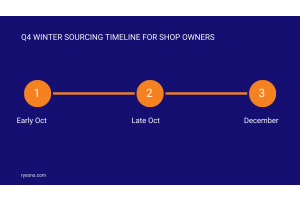
Seasonal stock, such as garden tools or winter home maintenance items, should be ordered while the season is still a month or two away. Ordering early ensures you have stock on hand when demand peaks, allowing you to capture sales before competitors and avoid rush-order premiums.
Capitalising on the growing DIY market requires a strategic approach to inventory and pricing. By focusing on quality, understanding your margins, and partnering with a reliable bulk wholesale supplier like Rysons, you can ensure your hand tool and DIY supplies category is a consistent profit driver for your business. Explore our full range and secure your next profitable lines today at Rysons.com.