

What to Stock: Essential Tools for Retailers

With August bank holidays approaching, many UK households are planning home improvement projects, creating a consistent demand for DIY and tools. This seasonal peak, coupled with ongoing interest in personal projects, means retailers have a prime opportunity to stock up on wholesale tools and accessories. Smart buying now can secure your margins for the coming months.
The Consistent Demand for DIY & Tools
The DIY market remains robust, driven by both necessity and a growing interest in home customisation. Consumers are always looking for reliable, affordable tools to tackle everything from minor repairs to larger renovation projects. This creates a stable sales stream for retailers who stock the right products.
While power tools from brands like DeWalt and Makita often see significant discounts (up to 40% on kit bundles, according to Dealsfirst.co.uk), the backbone of any successful tool section lies in essential hand tools. These items offer better margins and broader appeal for everyday use.
Featured Wholesale Products

Key Tool Categories for Retailers to Prioritise
Focus on versatile, high-demand items that cater to a wide customer base. Consider both individual tools and convenient sets for different price points.
Hand Tools: The Everyday Essentials
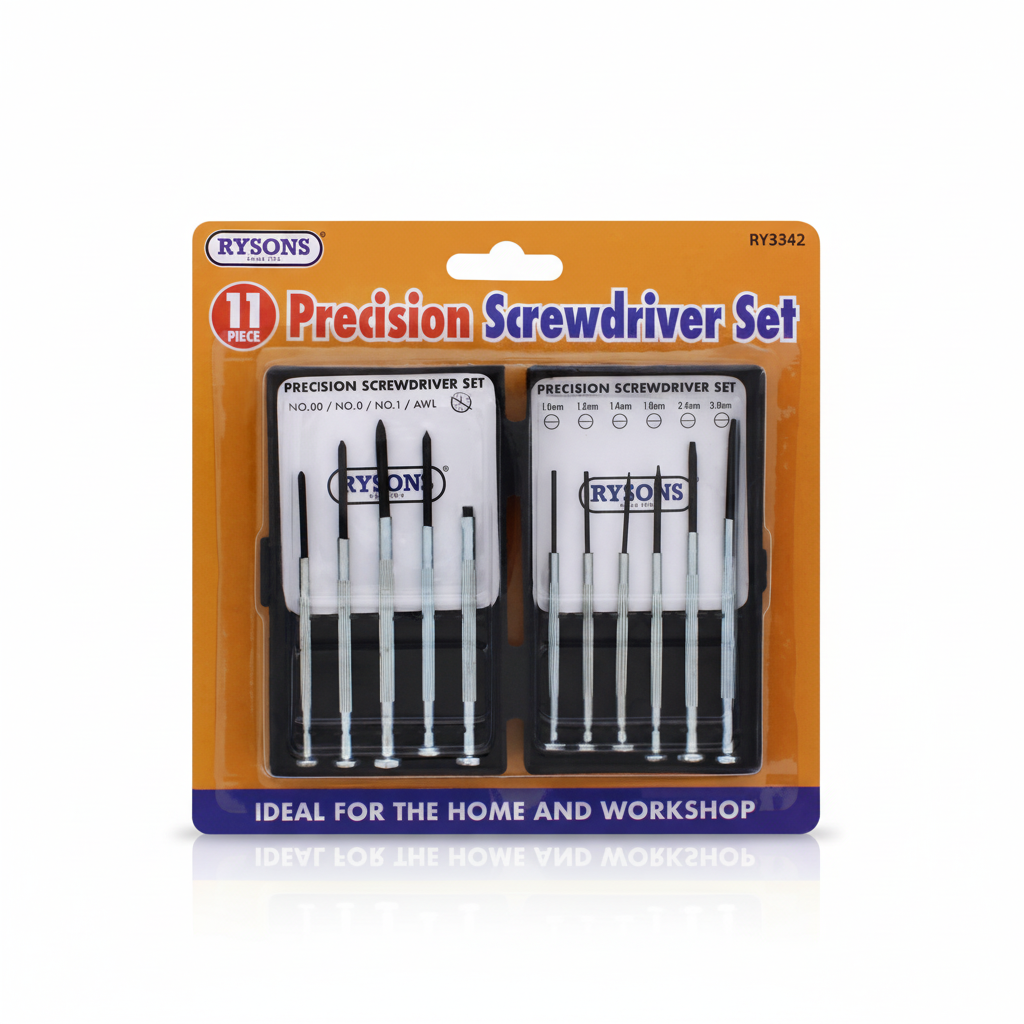
- Screwdrivers: A Precision Screwdriver Set - 11 Piece is a must-have, covering various screw types and sizes. Individual screwdrivers are also strong sellers.
- Wrenches & Spanners: Adjustable wrenches and basic spanner sets are always in demand for general repairs.
- Pliers: Combination pliers, long-nose pliers, and cutting pliers are frequently needed.
- Hammers: Claw hammers are indispensable for most DIY tasks.
- Measuring Tapes & Rules: Essential for accuracy in any project.
Speciality & Multi-Tools: Convenience and Innovation
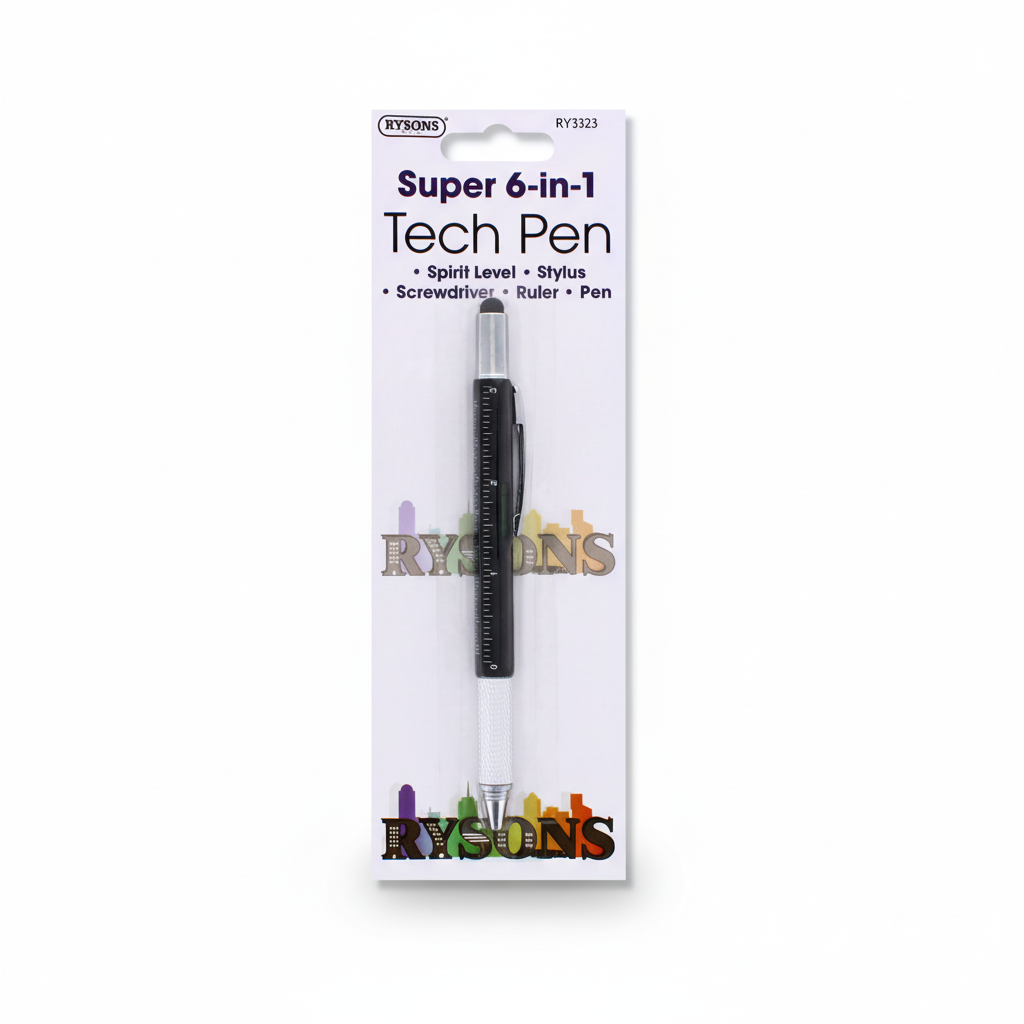
- Multi-Tools: Items like the 6-in-1 Multi-Tool Pen offer compact utility, appealing to impulse buyers and those needing a portable solution.
- Cutting Tools: Utility knives, box cutters, and spare blades are consistently popular.
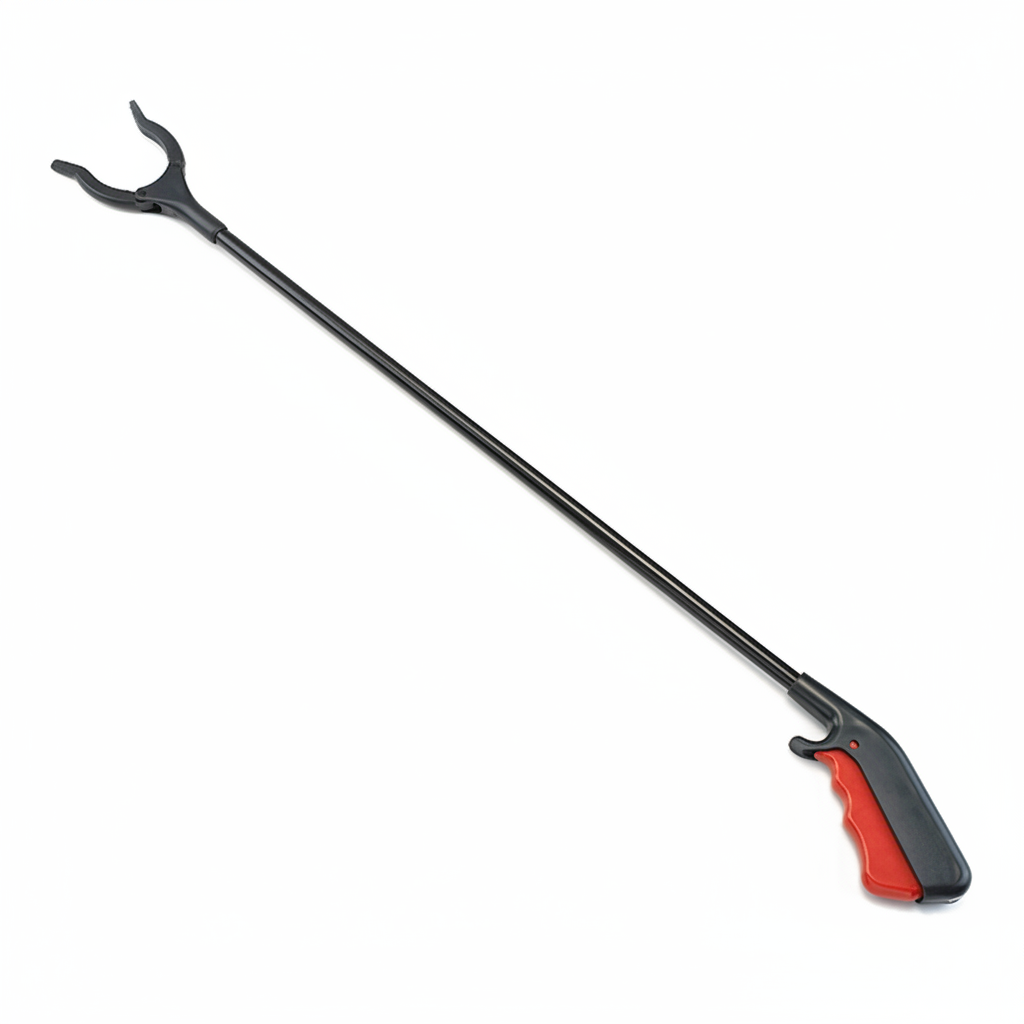
- Reaching & Gripping Tools: A Pick-Up & Reach Tool can be a surprisingly strong seller, especially for older demographics or those with mobility issues.
Organisation & Storage: Complementary Sales
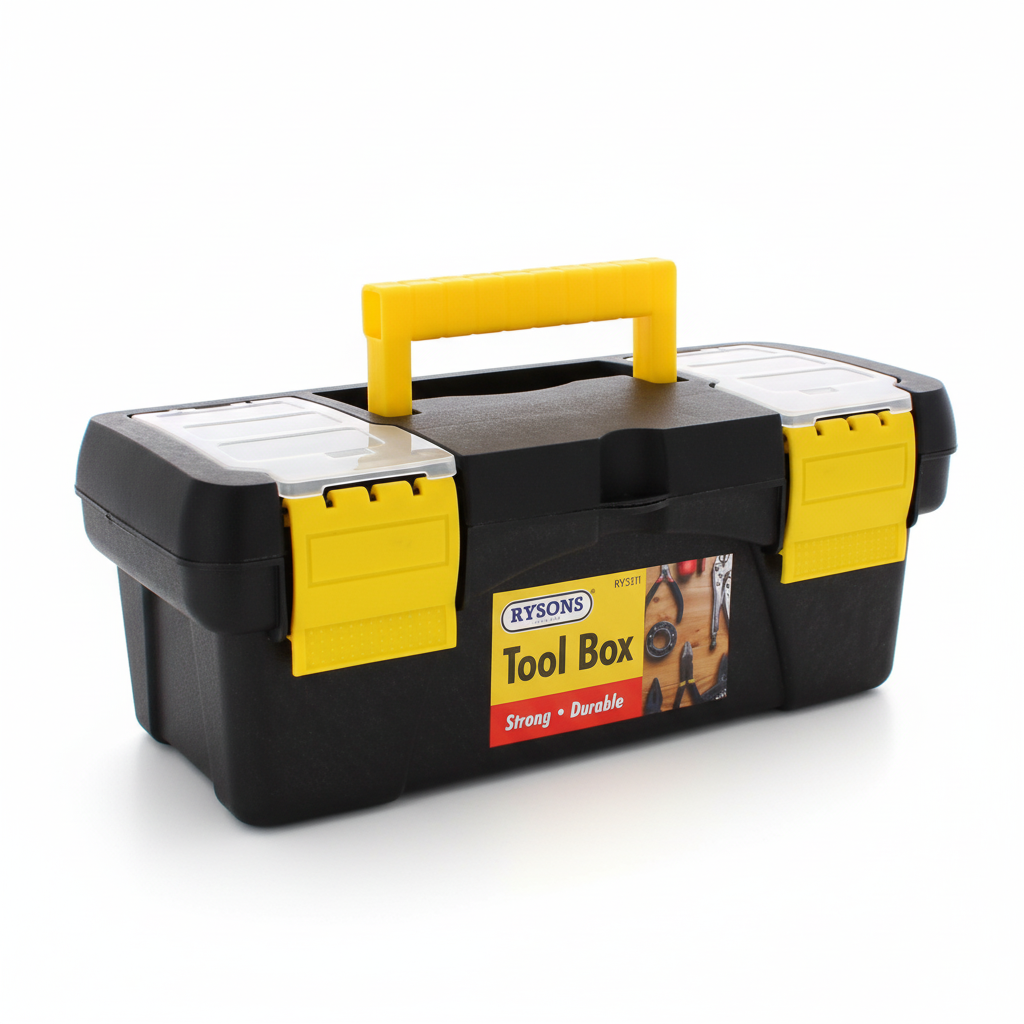
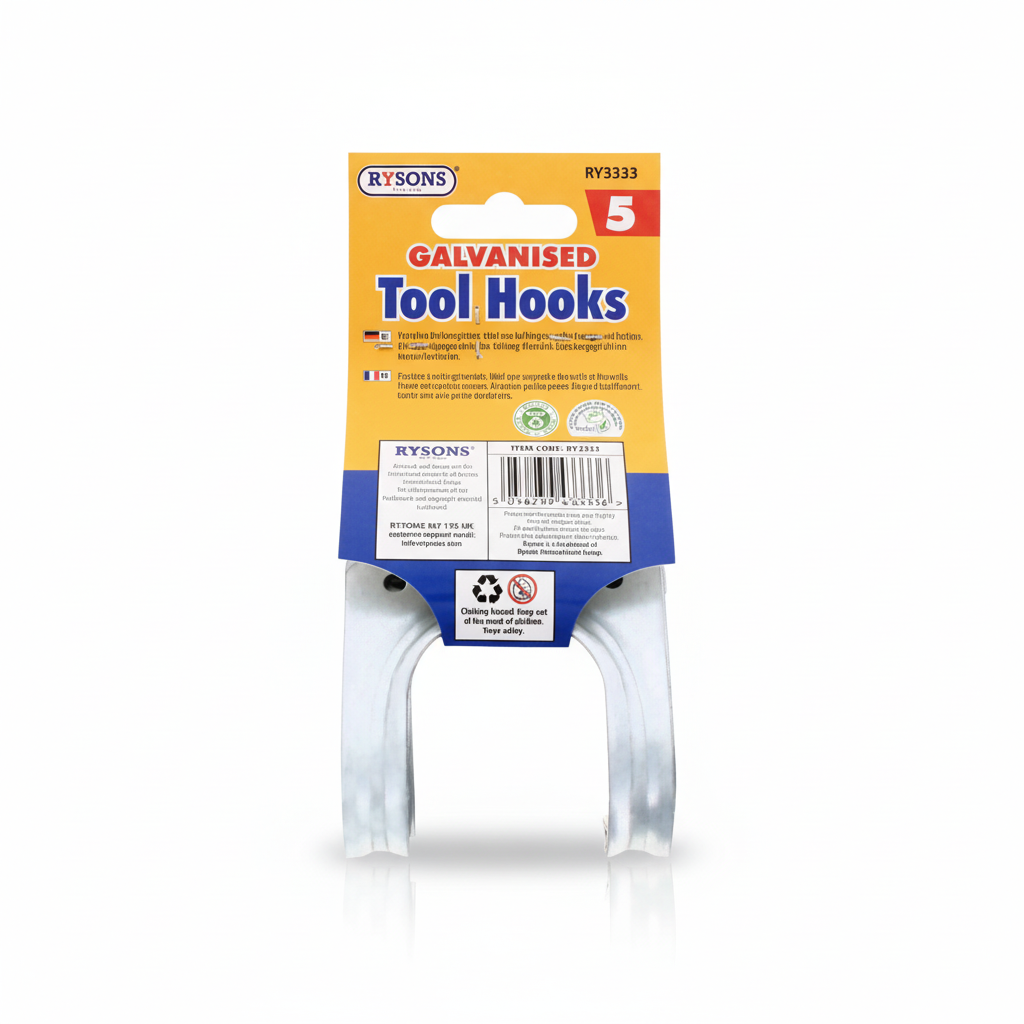
Don't overlook the accessories that make tools more useful and organised. Products like a Tool Box are fundamental, offering practical storage. Additionally, solutions such as a Holster For Tools, Screwdrivers, with 6 Pockets or a Galvanised Steel Tool Hooks Set Pack of 5 enhance the value of any tool purchase by providing better organisation and accessibility. These items often carry healthy margins and encourage add-on sales.
Realistic Margins for Tool Sales
Typical retail margins on essential hand tools can range from 30% to 60%, depending on your wholesale cost and pricing strategy. Multi-packs and sets often allow for slightly higher margins due to perceived value. Bulk buying is crucial here; purchasing wholesale tools in larger quantities significantly reduces your per-unit cost, directly impacting your profit.
Sourcing Wholesale DIY & Tools for Your Business
Finding a reliable wholesale supplier is paramount. Retailers often ask about trade account access for thousands of items at trade-only prices. Look for suppliers who offer:
- Competitive Bulk Pricing: Essential for maintaining healthy margins.
- Wide Product Range: Allows you to consolidate orders and simplify logistics.
- Consistent Stock Availability: Avoids lost sales due to popular items being out of stock.
- Quality Assurance: Tools must be durable and fit for purpose to build customer trust.
- Efficient Delivery: Timely order fulfilment is critical for inventory management.
When balancing quality and cost for resale, focus on reputable wholesale brands for hand tools. While premium power tool brands command higher prices, many customers are content with reliable, budget-friendly options for occasional DIY tasks. Offer a mix to cater to different segments.
Your Wholesale Buying Checklist
- Assess Current Stock: Identify best-sellers and gaps in your current tool inventory.
- Review Sales Data: Pinpoint which tools move fastest in your specific market.
- Set a Budget: Determine your maximum spend for DIY and tool categories.
- Compare Suppliers: Evaluate pricing, minimum order quantities, and delivery terms.
- Consider Seasonal Demand: Stock up on items relevant for upcoming holidays or weather patterns.
- Plan Merchandising: Think about how you'll display new stock before it even arrives.
Merchandising Strategies for Tool Sales
Effective merchandising can significantly boost your tool sales. Tools are often purchased for specific tasks, so think about how to make browsing intuitive.
Group by Task or Project
Instead of just grouping by tool type, consider creating small displays for 'Basic Home Repair' (hammer, screwdrivers, tape measure) or 'Garden Essentials' (trowel, secateurs, gloves). This helps customers visualise what they need for a complete project.
Highlight Value & Utility
Use clear signage to highlight key features or multi-purpose uses. For example, for the 6-in-1 Multi-Tool Pen, emphasise its compact nature and multiple functions. Showcase how a Holster For Tools, Screwdrivers, with 6 Pockets keeps tools accessible and organised, adding practical value.
Cross-Merchandise Related Items
Place tool organisation products, like the Galvanised Steel Tool Hooks Set Pack of 5, near the tools themselves. Similarly, if you stock home & garden items, place basic garden hand tools alongside gardening gloves or small plant pots. This encourages impulse purchases and increases average transaction value.
Keep Displays Tidy and Accessible
Tools, especially smaller items, can quickly create clutter. Invest in sturdy pegboards, bins, and clear labelling. Ensure popular items are easy to reach and well-stocked.
Frequently Asked Questions
How do I balance quality and cost when stocking tools for resale?
For essential hand tools, focus on robust construction and ergonomic design over brand names. Customers prioritise functionality and durability for everyday use. For power tools, consider offering a mid-range option alongside a more budget-friendly alternative to cater to different customer needs and price points.
What sells best in DIY tools for smaller retailers?
Smaller retailers often find success with high-turnover, low-cost essentials. Think screwdriver sets, utility knives, basic tape measures, and small multi-tools. These items have broad appeal and are frequently replaced or purchased as an impulse buy.
Are there specific tools that see increased demand during summer?
Summer sees a surge in demand for outdoor-related tools. This includes basic garden hand tools, small painting supplies for exterior touch-ups, and general repair tools for outdoor furniture or fencing. Consider stocking items like the Pick-Up & Reach Tool for garden tidying.
By focusing on essential, high-demand DIY products and implementing smart merchandising, retailers can significantly boost their tool sales. Explore the extensive range of wholesale tools available to stock your shelves and meet customer demand. Visit Rysons.com to find your next bulk deal.