

Which Warmth Lines to Stock for the UKHSA Cold Alert?
UKHSA has issued a new yellow cold-health alert for the North West of England, North East of England and Yorkshire and the Humber, running from 9pm Sunday 15 November until 9am on Thursday 19 November. For independent shops and market traders across northern England, this creates an immediate demand window for home-warmth and personal-warmth basics. Gas and power prices have already jumped for a third day on the back of this longer cold spell, meaning consumers will look for low-cost ways to stay warm without touching the thermostat. Northern retailers face repeated disruption through March, making this week's alert an urgent planning window.
The November 15-19 Alert
UKHSA advises the public to keep warm and check on vulnerable friends, family, and neighbours, noting that more alerts are expected this winter.
The official advice is general and does not name specific products. While consumers are naturally buying thermal socks, gloves, a woolly hat, or a scarf from clothing aisles, the official directive to keep warm drives secondary impulse purchases in hardware, pharmacy, and pound shop environments. A shop owner must anticipate exactly what consumers will reach for when the temperature drops.
Featured Wholesale Products

What the Official Guidance Misses for Retailers
Every news site and official GOV.UK page covers when the alerts apply and who is at risk. None connect these alert periods to wholesale buyer lead times or demand surge windows for specific product categories. A buyer reading official UKHSA guidance learns that vulnerable people need warmth, but learns nothing about which sub-£5 impulse lines to load by what date, what margins each category holds, or how to plan a cold health alert stock list.
The reality for northern retailers is that wholesale availability shifts dramatically during alert periods compared to normal winter weeks. Seasonal stock is bought too late by most independents. The money is made by ordering while the season is still a month away, but rapid top-ups during an alert require buying narrow and deep on proven sellers, not wide and shallow across novelty lines. With more alerts expected this winter, securing margin-rich thermal basics now protects your cash flow through March. Buying the cheapest version of a line usually costs more: returns and dead stock wipe out the saving. You need reliable, proven stock that moves fast.
Direct Heat vs Heat Retention: How to Choose Your Stock
When a cold alert hits, shoppers look for two things: ways to apply heat directly to the body, and ways to keep themselves insulated from the ambient temperature. Here is how to choose between the main sub-£5 categories for your shelves this week.
Category 1: Direct Heat and Therapy
This category targets the UKHSA advice to protect older and vulnerable relatives. Items like the Reusable Large Hot or Cold Therapy Pack and traditional hot water bottles offer immediate, localized warmth.
- Pick this if: Your customer base leans older, or you operate near a pharmacy, post office, or community centre.
- Margin potential: High. These are distress purchases during a cold snap, meaning price sensitivity is lower.
- Merchandising: Display at waist height near the till. A Reusable Large Hot or Cold Therapy Pack bridges the gap between first aid and winter comfort.
Category 2: On-the-Go Warmth
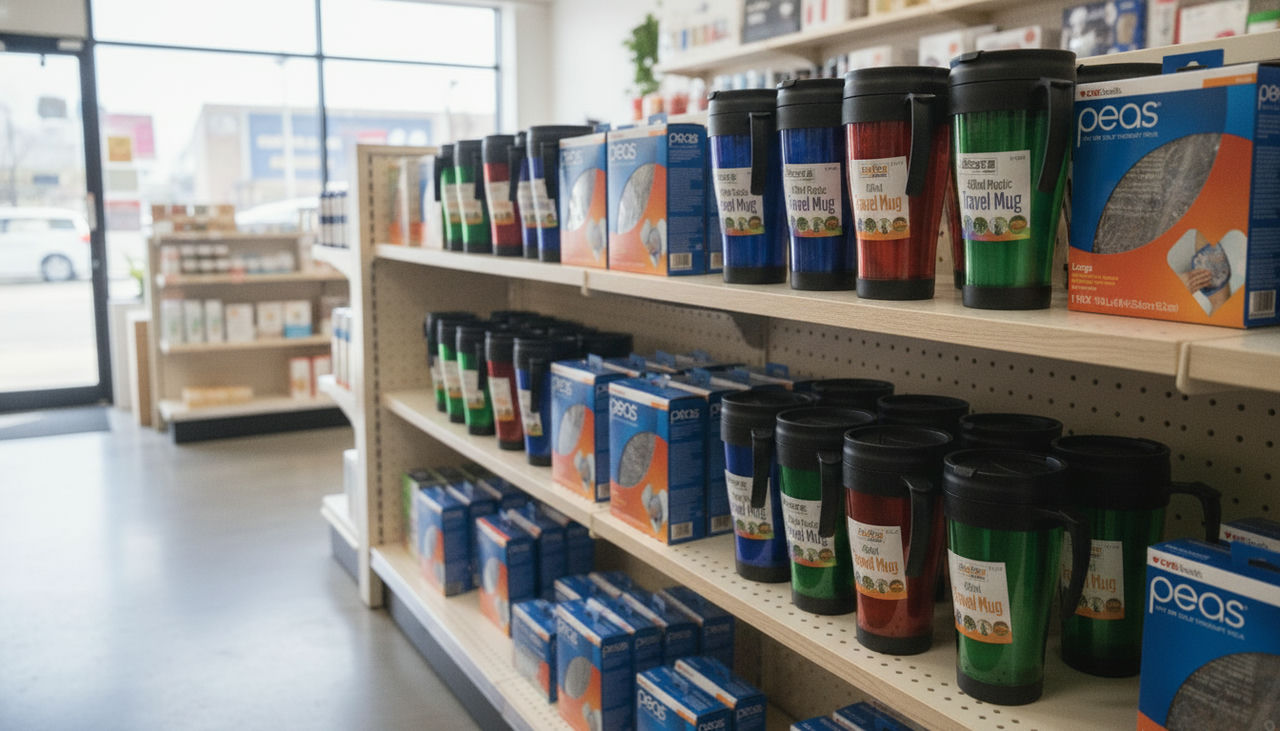
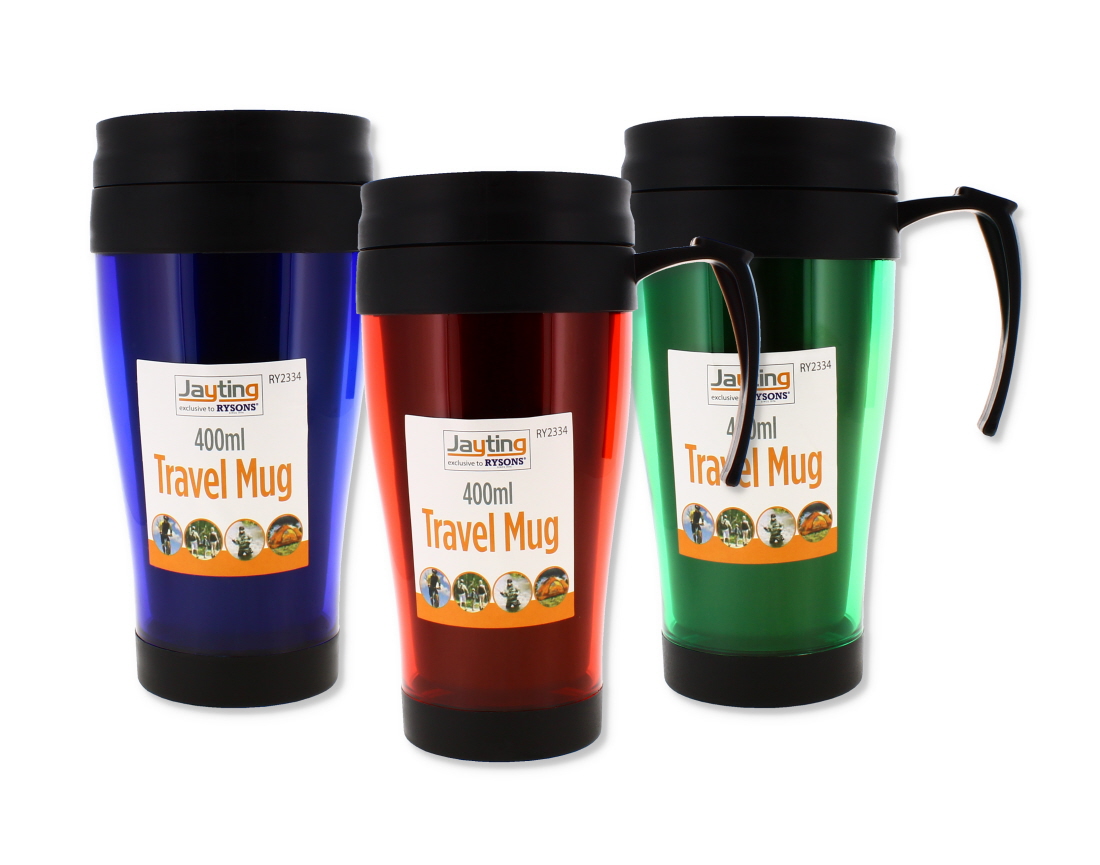
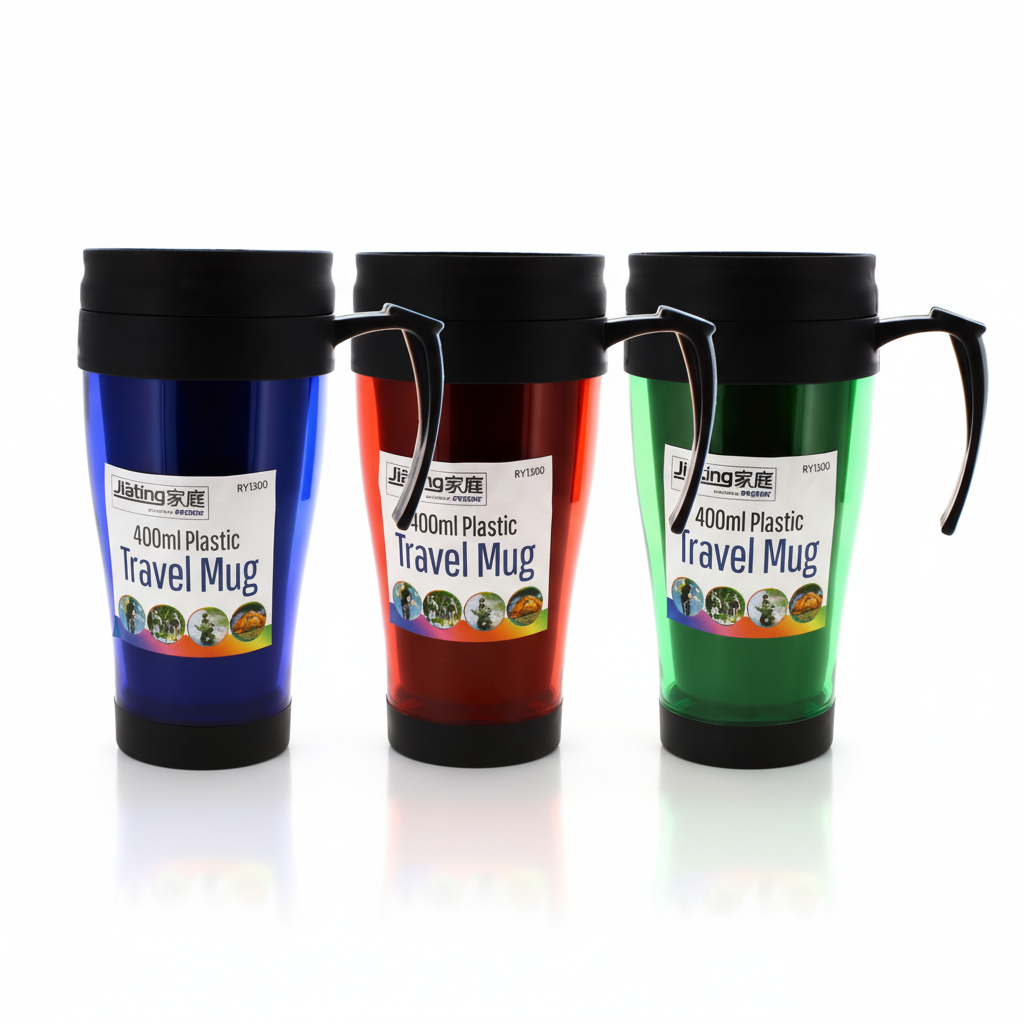
Commuters and outdoor workers still need to travel during yellow alerts. A 400ml Plastic Travel Mug Hot & Cold allows customers to take their own hot drinks to work, bypassing expensive coffee shop prices during an energy squeeze.
- Pick this if: You trade on a high street, near a transport hub, or run an early morning market stall.
- Margin potential: Steady. The Plastic Travel Mug Hot & Cold 400Ml is a proven volume seller that moves fast when temperatures drop.
- Merchandising: Clip-strip these near tea and coffee aisles or place them alongside instant hot drink mixes.
Category 3: Home Insulation
Consumers are actively trying to trap heat in their living rooms. Products like double draught excluders and window insulation kits address this directly without requiring electrical power.
- Pick this if: You run a hardware store, DIY shop, or market stall specialising in household maintenance.
- Margin potential: Excellent. Home insulation products are viewed as investments that pay for themselves in lower heating bills.
- Merchandising: Stack near the till or alongside winter clearance lines.
Action Plan for Independent Shops
With the alert ending on Thursday morning, northern retailers must act quickly to capture the current demand and prepare for the inevitable follow-up alerts in December.
- Audit your impulse lines today: Count your current stock of Reusable Large Hot or Cold Therapy Packs and travel mugs. If your cover is running low, reorder immediately.
- Target the vulnerable demographic: Merchandise a fleece blanket, throw, and hot water bottles at the front of the store. Shoppers checking on elderly neighbours will buy these on sight.
- Group warmth items together: Create a dedicated cold alert essentials endcap. While shops also sell heaters and heavy outerwear, your fastest-moving lines will be the sub-£5 items that require no deliberation.
- Order from a local distributor: Relying on dropshippers during a weather event guarantees missed sales. Trade buyers can collect in person from our Manchester warehouse to get stock on shelves the same afternoon.

Buyer FAQ: Trading Through Winter Alerts
Will demand drop immediately after 9am Thursday?
No. While the official UKHSA alert ends, the ambient temperature remains low and consumer awareness of heating costs stays high. Clothing and footwear purchases already grew in October as temperatures lowered, signaling a sustained baseline demand for winter goods.
How do wholesale prices shift during alert periods?
Clearance is not the same as cheap: a good clearance line is branded stock at a low price, not low-quality stock at a low price. Prices on core winter lines remain stable at reliable wholesalers, but availability plummets. Securing stock early prevents you from paying panic-driven premiums elsewhere.
Should we stock up on large electrical heating appliances?
For most small independents, no. Buying the cheapest version of a high-ticket line usually costs more in the long run through returns. Stick to high-margin, low-liability items like travel mugs and draught excluders.
What is the most common mistake when ordering for a cold snap?
Waiting for the weather report to dictate inventory. If you are only ordering hot water bottles on the day the frost hits, you have already missed the peak margin window.
As a family-run importer trading for over 40 years, we hold the winter lines northern retailers need to trade profitably through cold health alerts. There is no minimum order for most lines, allowing you to top up exactly what you need. Browse our full range of seasonal items and household essentials to secure your stock before the next freeze, or visit Rysons.com to arrange a Manchester warehouse collection today.