

6 Oral Care Stocking Mistakes Costing You Margin

Year-to-date mouthwash sales reached $5.08 billion globally through September 2026, according to retail data from Simporter. In the UK, limited NHS dental access is pushing consumers heavily toward self-led prevention. Shoppers are actively seeking out therapeutic rinses, specialist pastes, and complete dental kits to manage their oral health at home. The demand is surging, yet many independent retailers are watching their oral care profits shrink. If you are blindly reordering the same traditional mouthwashes without looking at the changing math, you are leaving money on the table. Here are the six stocking mistakes costing UK shops money right now, and exactly how to fix them.
1. Accepting the Brand Margin Squeeze
Every generic buying guide will tell you to stock the big names, but they all miss the most critical threat to your business: retailer margin compression versus brand bargaining power. Top-tier oral care brands command 45-50% margins at the manufacturing level, leaving independent retailers fighting over a compressed 32-37% at the shelf. Supermarkets fight this by aggressively pushing their own private labels, a strategy most independent shops cannot replicate.
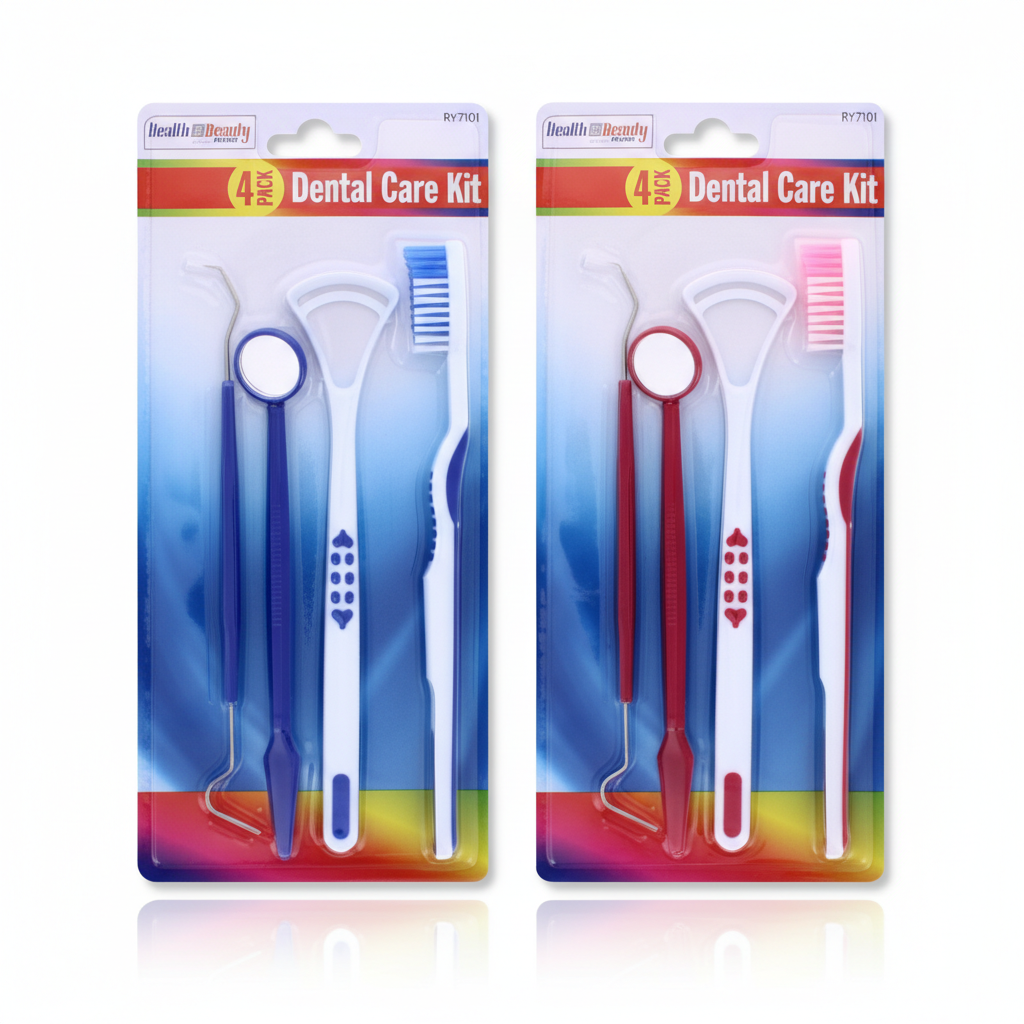
The fix is the blended basket. You cannot ditch the big brands entirely, as they drive footfall and trust. Instead, you must offset their lower retailer margins by cross-merchandising high-margin accessories right next to them. Negotiate better payment terms by hitting higher volume thresholds on your bulk mouthwash, and place a 60% margin accessory, like the 4 Pack Dental Care Kit, directly adjacent to the 32% margin branded rinse. This strategy blends your overall category margin back to a profitable level.
Featured Wholesale Products
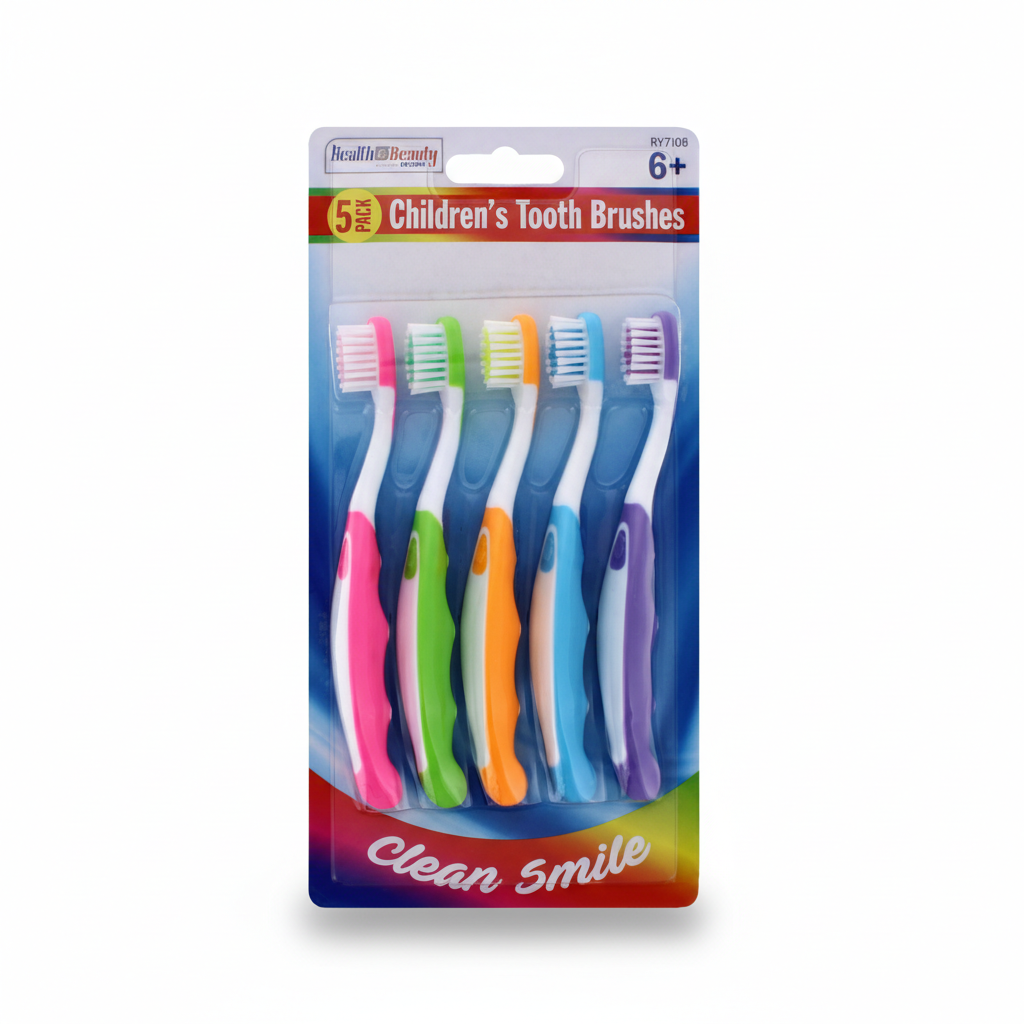
2. Sticking to Harsh, Alcohol-Heavy Formulas
The mouthwash and rinse segment is forecast to grow at a CAGR of 6.8% between 2026 and 2034. However, that growth is not coming from the traditional burning blue liquids. Consumers want comprehensive hygiene without the sting. Kenvue restaged Listerine in May 2026 with on-the-go alcohol-free sachets, a move Mordor Intelligence highlights as a permanent shift toward alcohol-free mainstream positioning.
Buying the cheapest version of a line usually costs more: returns and dead stock wipe out the saving. If you buy pallets of harsh, cheap alcohol rinses because the unit price is low, they will gather dust. Shift your bulk buying toward alcohol-free variants, enamel protection, and gum care formulas. These therapeutic lines justify a higher retail price point and meet current consumer demand.
3. Treating Oral Care as a Standalone Purchase
Grouping mouthwash only with toothpaste severely limits your basket size. Oral care is a core component of the morning grooming routine. A customer buying plaque-control mouthwash is highly likely to need deodorant, shower gel, and hair styling products at the same time.
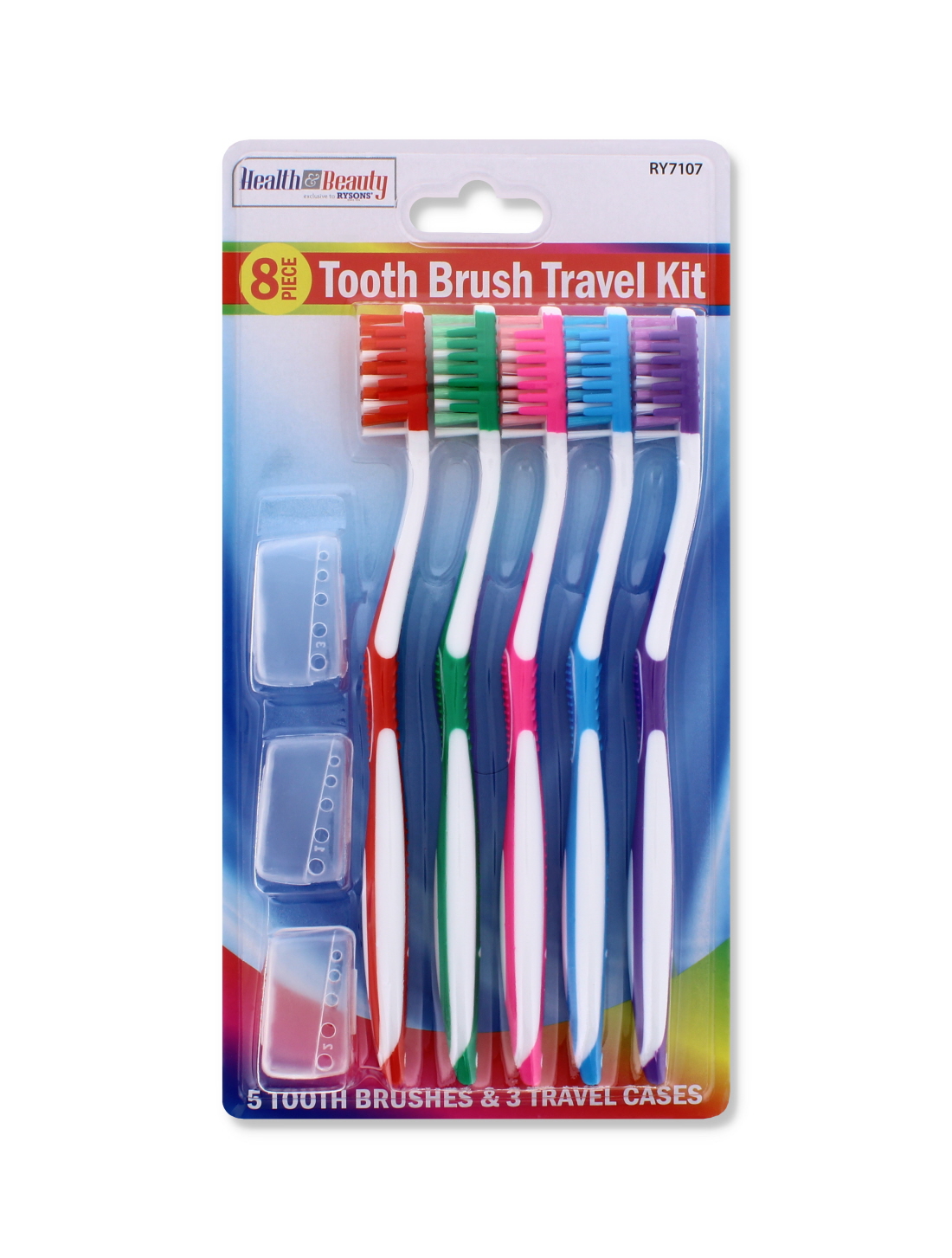
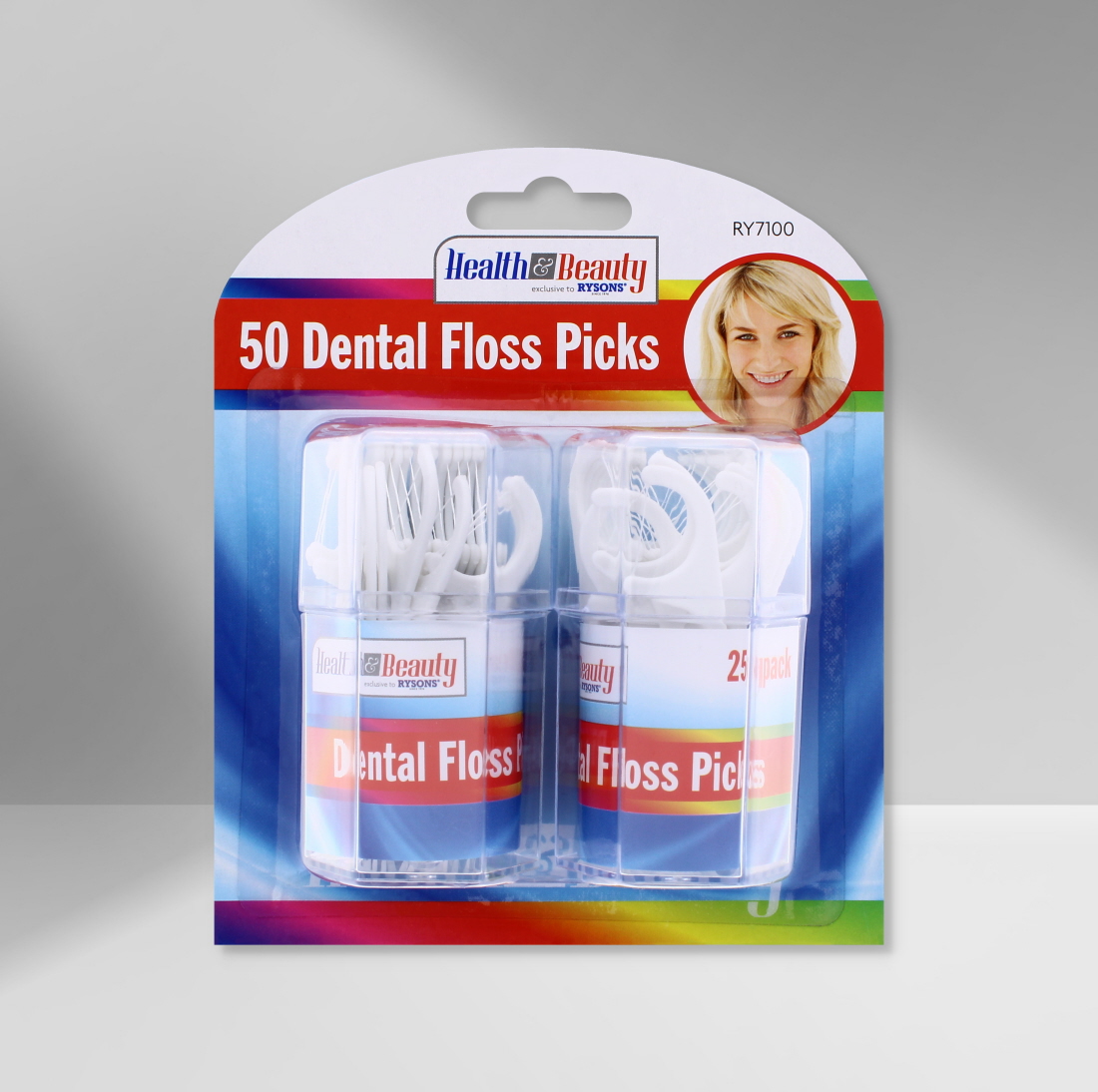
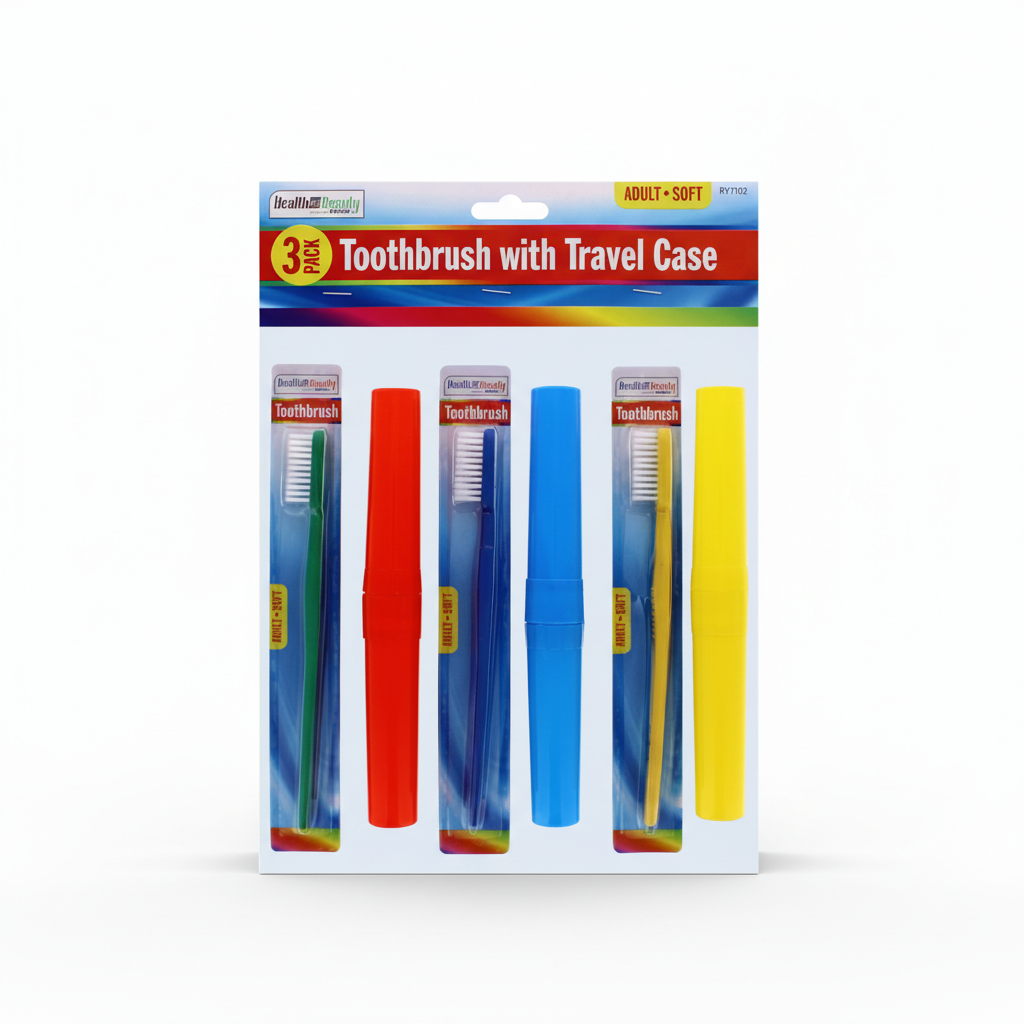
A shop owner should buy narrow and deep on proven sellers, not wide and shallow across novelty lines. Build a cohesive health & beauty endcap that groups morning essentials. Position fast movers like the Travel Toothbrush Set with Cases - 5 Pack and Dental Floss Picks 50 Pack right next to your rinses to capture the complete morning prep basket. Expanding your cross-merchandising strategy boosts impulse add-ons without requiring extra floor space.
4. Underestimating the Weight-to-Value Ratio
Mouthwash is physically heavy. Shipping water costs money, and if you are ordering small quantities of large liquid bottles, your freight costs will obliterate your 32% margin. Many retailers fail to calculate the landed cost of heavy liquids.
To fix this, you must buy heavy liquids in bulk to dilute the carriage cost per unit. Mix your pallet orders. Combine heavy cases of mouthwash with lightweight, high-margin clearance lines. This ensures your overall pallet value remains high while keeping the freight percentage low.
5. Missing the Travel and Convenience Factor
Assuming oral care is only a planned, large-bottle purchase ignores a massive segment of the market. Convenience stores, forecourts, and discount shops thrive on distress purchases. People forget their toothbrush on a weekend away, and they do not want to spend £5 replacing it.
Multi-pack toothbrushes, travel-sized mouthwashes, and portable floss should be heavily featured in your pound lines section or directly at the till point. These smaller items carry excellent margins and turn over rapidly when positioned for impulse buyers.

6. Ordering Routine Stock Too Late
Waiting until your current stock is empty before reordering heavy liquids guarantees empty shelves during supplier transit times. Seasonal stock is bought too late by most independents — the money is made by ordering while the season is still a month away. While oral care sells year-round, Q4 sees a distinct spike in travel-sized toiletries and guest bathroom prep as families travel for the holidays.
Use trade tools to Find Bestselling Wholesale Products and lock in your bulk orders before supplier volume thresholds jump for the busy season. Securing your stock early protects your pricing.
The Oral Care Margin Checklist
- Audit your current stock: Calculate exactly what percentage of your mouthwash range is alcohol-free versus traditional alcohol-based.
- Calculate your blended margin: Pair a 35% margin branded rinse with a 60% margin dental accessory on the same shelf.
- Relocate travel sizes: Move all travel dental kits and mini mouthwashes to the till point for immediate impulse buys.
- Review freight costs: Check your last invoice to ensure the volume of heavy liquids you ordered successfully absorbed the delivery fee.
Buyer FAQ: Wholesale Oral Care
Which product types are currently winning in retail?
Premium therapeutic and natural formulas are rapidly taking shelf space from basic breath-fresheners. Alcohol-free, whitening, and enamel-protection variants are the absolute stocking priorities for the coming year, driven by consumers seeking self-led dental care.
How do I compete with supermarket private labels?
You compete on convenience and blended baskets. Stock the recognizable brand for trust, but place high-margin accessories alongside them. Do not try to undercut a supermarket's private label mouthwash on price; instead, offer better targeted solutions and cross-merchandised morning routine products.
Stop letting margin compression eat your profits. Review your aisles this week, swap out the slow-moving alcohol-heavy rinses, and balance your branded stock with high-margin accessories. Ready to update your shelves? Browse the full trade range and secure your bulk orders today at Rysons.com.