

Answered: Your Wholesale Cleaning Stock Questions
Private label brands now hold up to 45% of UK retail cleaning value sales, according to the latest Index Box UK Cleaning Supplies Market report. Meanwhile, over 97% of UK cleaning businesses and retailers report that Employer National Insurance contributions have severely impacted operations, with 82% citing minimum wage increases. The pressure on retail margins has never been tighter. If you are still filling your shelves exclusively with heavily advertised household brands, you are actively giving away your profit margin. Trade buyers need hard facts on margins, compliance, and stock rotation, not generic advice. Here are the most pressing questions independent retailers are asking right now about cleaning stock, answered directly.
How much margin do I actually gain switching to own-label cleaning lines?
Retailers are constantly told to range own-label products for better margins, but nobody quantifies the actual unit difference before you order a pallet. Let us look at the reality of the market, where private label already holds 65% of the bleach segment and 21% of toilet cleaning. If you buy 50 units of a major brand toilet cleaner at £1.15 cost and retail them at £1.50, your gross profit is £17.50. If you buy 50 units of a high-quality own-label alternative at £0.55 cost and retail them at £1.10, your gross profit jumps to £27.50. You make £10 more per case, and your customer saves 40p at the till.
Multiply that £10 gain across your entire cleaning category week after week, and the difference pays your utility bills. The major brands draw footfall, but the own-label alternatives pay the wages. Validate the unit cost before ordering, but the math rarely favours stocking big brands exclusively.
Featured Wholesale Products
What does the 2026 SDS compliance update mean for my inventory?
The new 2026 Safety Data Sheets (SDS) compliance update is mandatory. All UK SDS documents must now reflect the latest hazard classifications in the GB Mandatory Classification and Labelling list. If you are buying wholesale chemicals, you must verify that your distributor provides the most recent version of these documents. Holding non-compliant stock puts your business at immediate regulatory risk.
If your current supplier is pushing old chemical stock without updated paperwork into the clearance channel, walk away. Clearance is not the same as cheap: a good clearance line is branded stock at a low price, not low-quality or non-compliant stock at a low price. Always ask for the updated SDS sheets before committing to bulk chemical orders this year.
Which specific cleaning tools drive the highest repeat footfall?
Chemicals bring shoppers in, but the hardware drives the basket value. Customers replace cloths, sponges, and brushes frequently, provided the quality is there. Buying the cheapest version of a line usually costs more: returns and dead stock wipe out the saving. Instead, stock reliable, high-utility items that solve specific household problems.
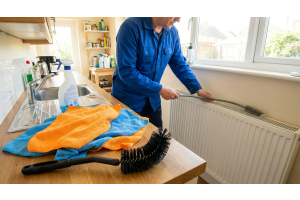
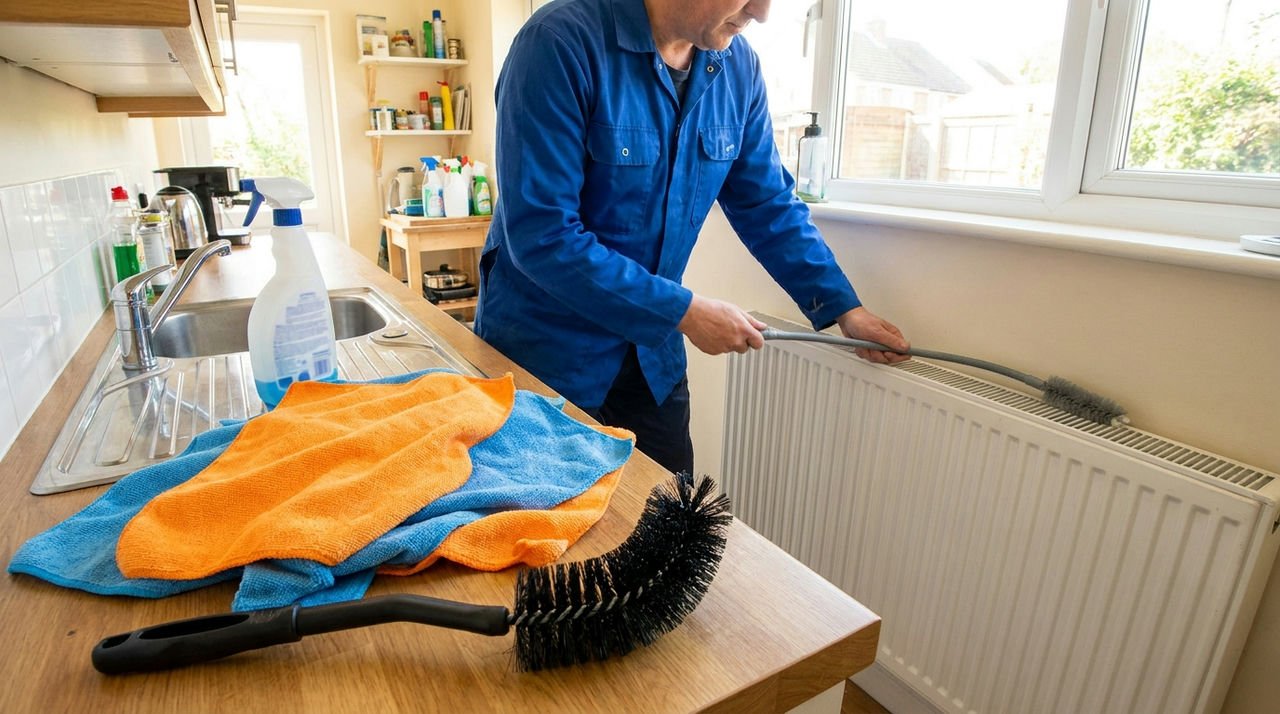
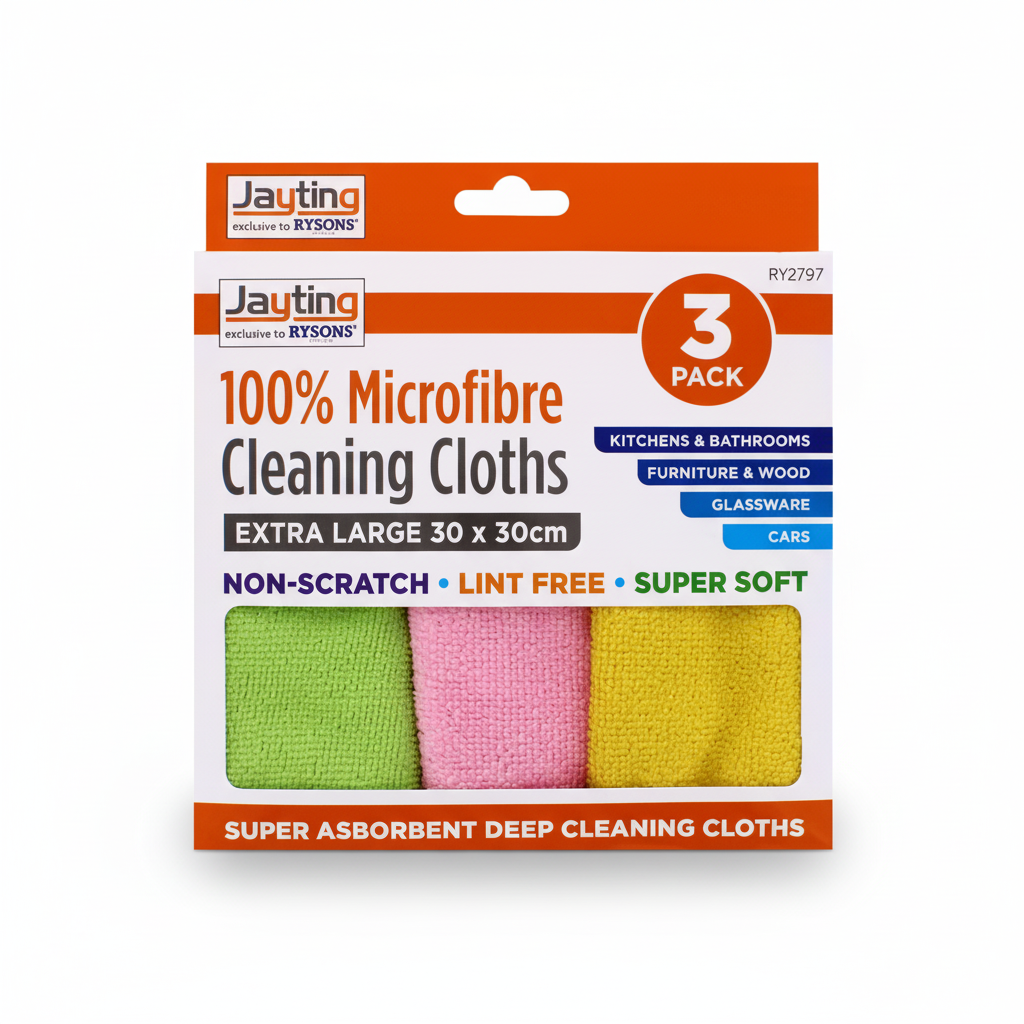
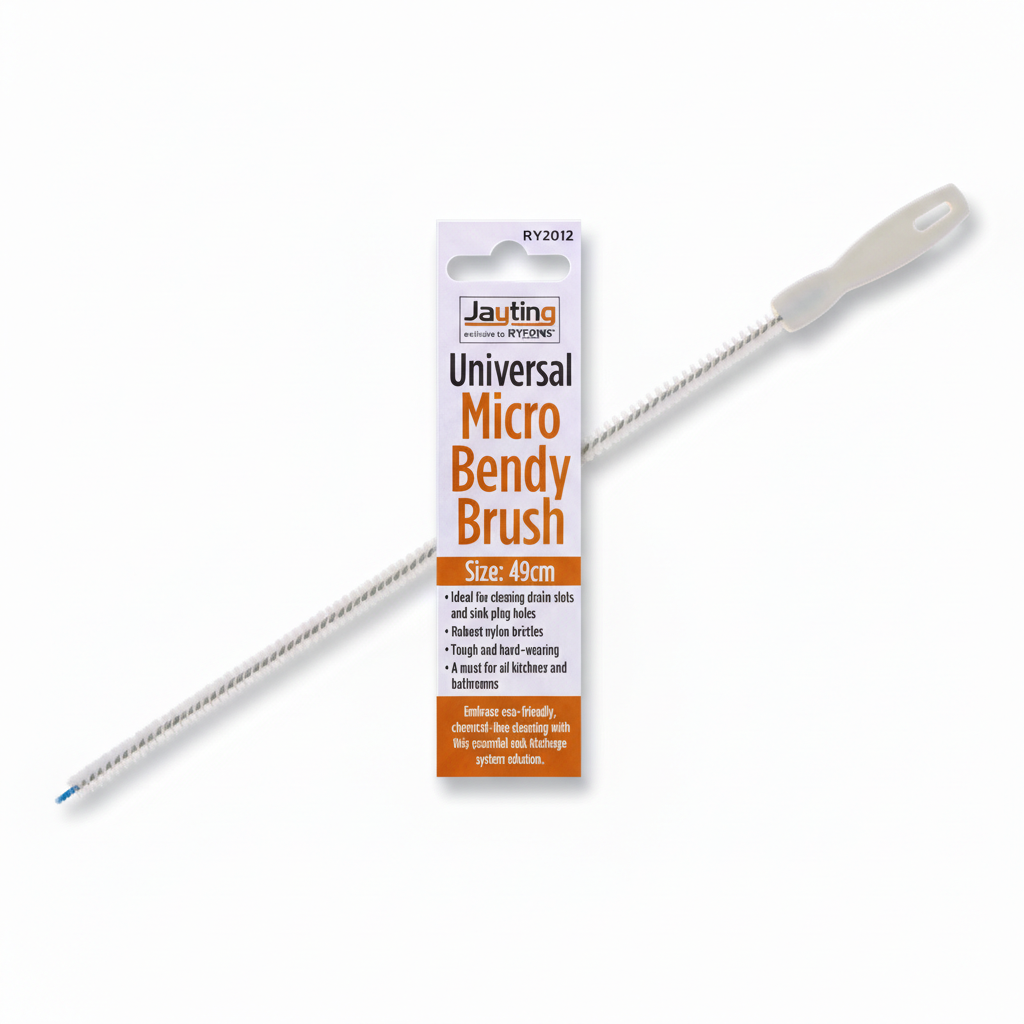
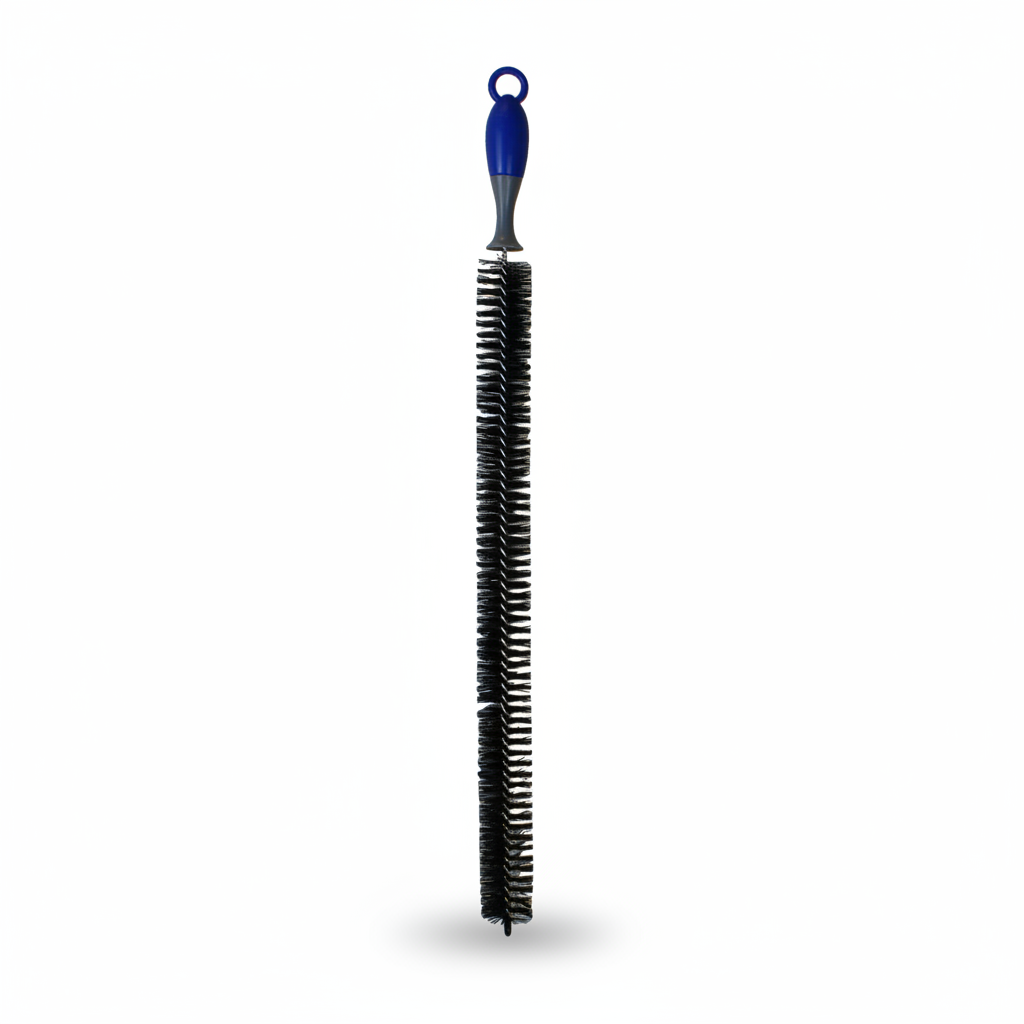
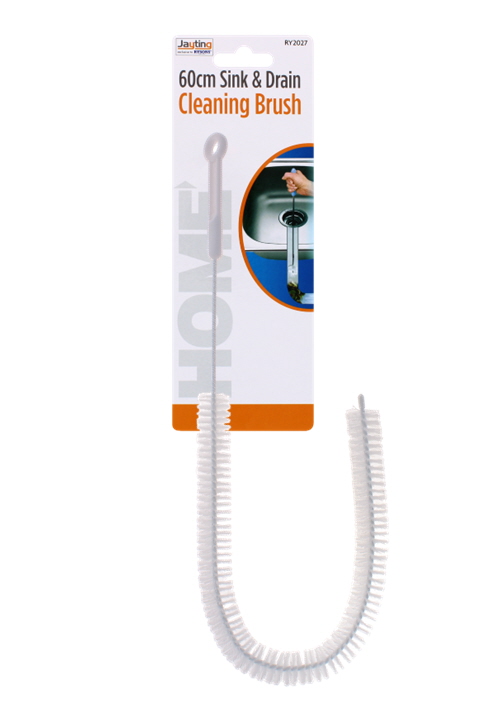
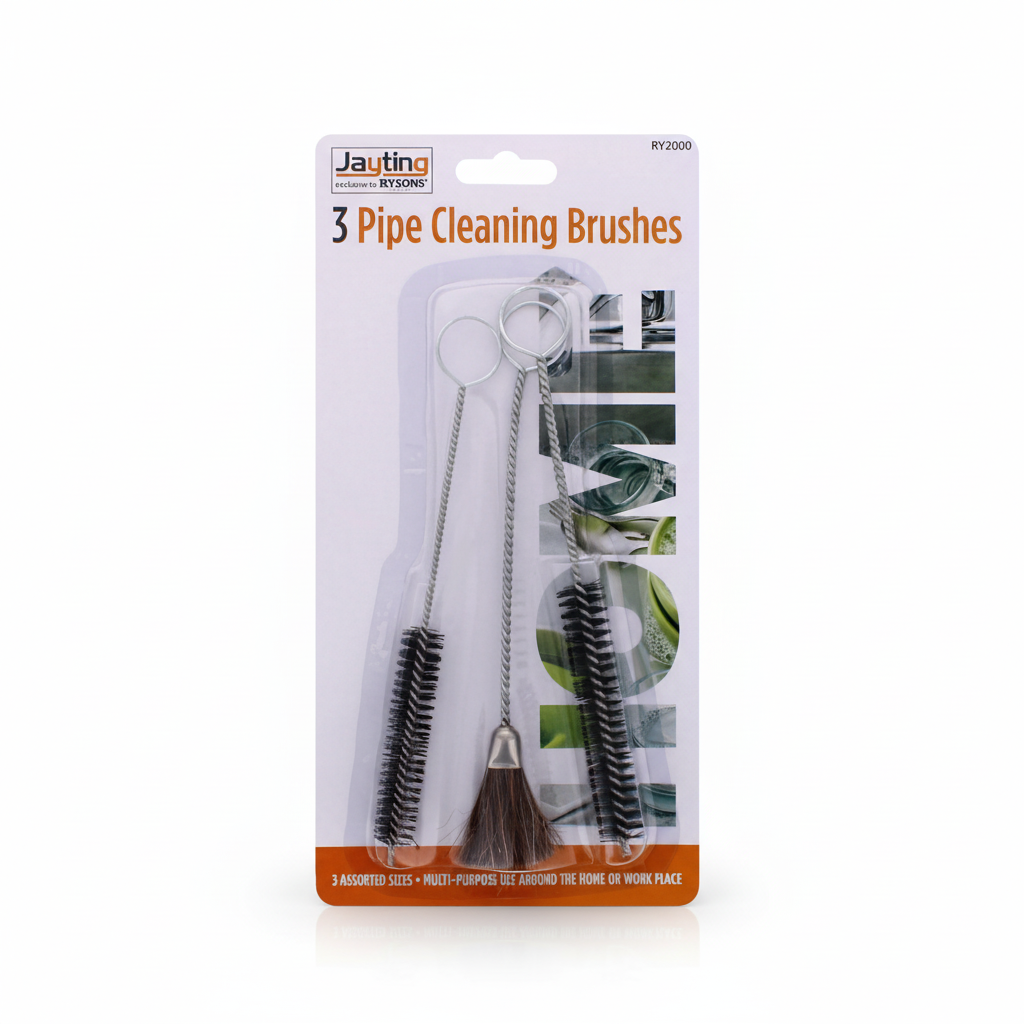
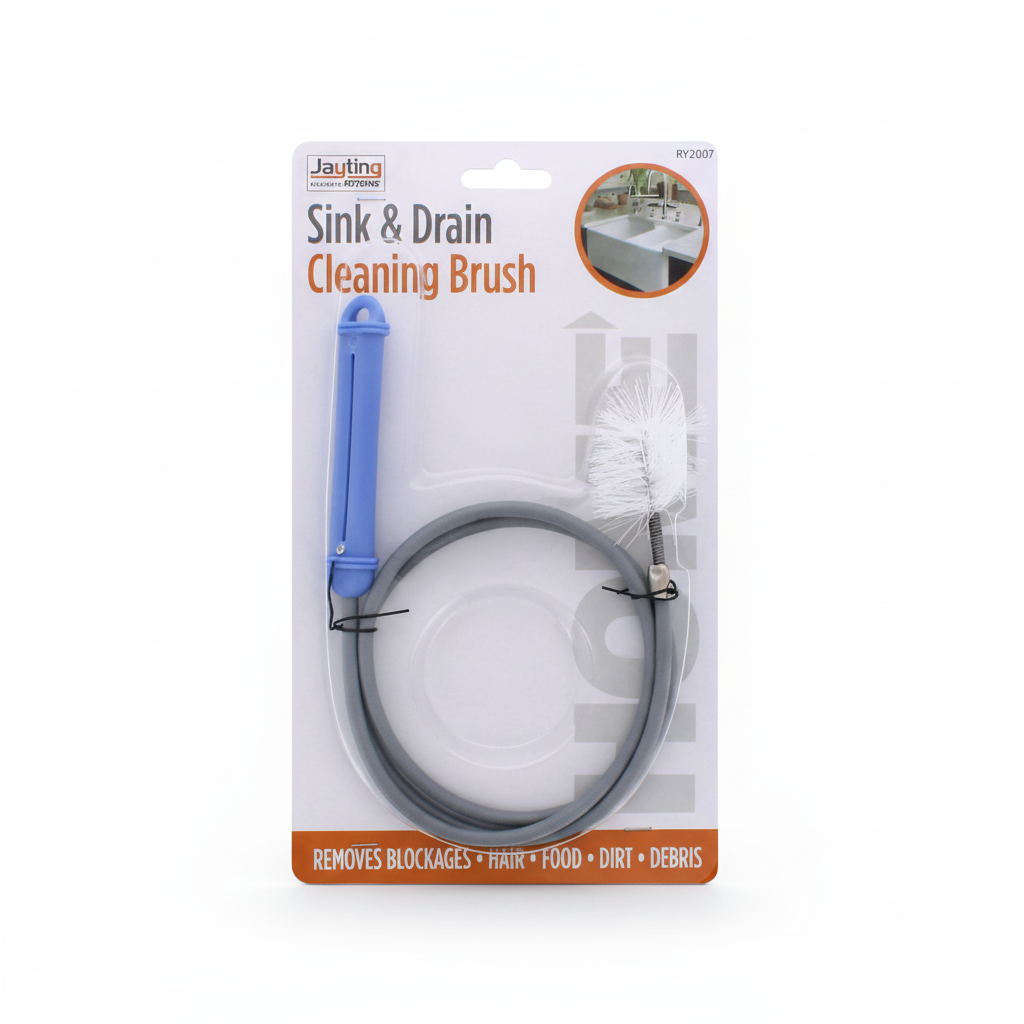
For example, stocking our Microfibre Cleaning Cloths, Extra Large, 3 Pack 30x30cm offers excellent retail margin and guaranteed repeat purchases. Shoppers also look for specialised tools they cannot always find in convenience stores. Items like the 60cm Flexible Sink and Drain Cleaning Brush, the Flexible Radiator Cleaning Brush (73.5cm), and the Pipe Cleaning Brush Set Assorted 3 Pack are high-margin problem solvers. These are the specific products that make a customer choose your household aisle over a supermarket.
Are sustainable and eco-friendly chemicals worth the shelf space?
Natural and eco-conscious cleaning products are expanding at 7 to 10% annually, which is approximately double the market average. However, 53% of operators prioritise product effectiveness above all else, and 51% want clear carbon footprint data. Shoppers want green products, but they refuse to compromise on cleaning power.
Do not stock eco-friendly products just for the green packaging. Ensure they cut through grease and limescale just as effectively as traditional chemicals. When selecting these lines, a shop owner should buy narrow and deep on proven sellers, not wide and shallow across untested novelty eco-brands.

How should I adjust my buying to offset the National Insurance squeeze?
With operational costs rising sharply, your purchasing strategy must adapt to protect your bottom line. You cannot control statutory wage increases, but you can absolutely control your stock turnover and margin mix.
- Audit your brand ratio: Shift at least 30% of your high-turnover chemical lines to private label this quarter to boost gross profit per unit.
- Verify compliance early: Request the new 2026 SDS paperwork for all hazard-classified goods before committing to pallet orders.
- Prepare for packaging rules: Ensure your commercial waste handling complies with the 2026 mandatory separate collection rules for paper, card, plastic, metal, and glass.
- Leverage trade tools: Use our Wholesale Buying Guides to identify exactly which lines are moving fastest in the current market.
Frequently Asked Questions
What are the new 2026 waste and packaging rules?
New regulations require the mandatory separate collection of paper, card, plastic, metal, and glass on client sites. Ensure your own retail operations are prepared for this separation, and advise any commercial cleaning clients you supply to update their waste management protocols.
Should I buy seasonal cleaning stock early?
Yes. Seasonal stock is bought too late by most independents. The money is made by ordering while the season is still a month away. Spring cleaning lines, for example, should be ordered and merchandised in late winter to capture the early demand.
Margin is won when you buy, not when you sell. To secure compliant, high-margin stock that offsets rising operational costs, view the full trade range and order directly at Rysons.com.