

April's Cost Crunch: Navigating UK Retail Challenges

April's Cost Crunch: Navigating UK Retail Challenges
April is often a month of renewal and fresh starts, but for many UK retailers, it also marks the arrival of significant financial pressures. From increased National Living Wage rates to evolving business rates, the cost of doing business in the retail sector has seen a sharp uptick. This blog post aims to provide UK B2B wholesale buyers and retailers with a comprehensive overview of these challenges and offer practical strategies to navigate this period of heightened financial strain.
Understanding these shifts is crucial for maintaining profitability and ensuring the long-term sustainability of your retail operation. As your wholesale partner, we believe that informed retailers are better equipped to make strategic decisions, optimise their inventory, and continue to thrive in a competitive marketplace.
The Impact of the National Living Wage (NLW) Increase
One of the most immediate and significant changes taking effect in April is the increase in the National Living Wage. This annual adjustment, designed to ensure a fairer wage for workers, has a direct and substantial impact on labour costs for businesses, particularly those in sectors like retail that are typically labour-intensive.
Key Changes to NLW:
- Increased Hourly Rate: The NLW has seen a substantial rise, affecting all workers aged 21 and over. This means a direct increase in payroll costs for every eligible employee.
- Broader Age Bracket: The age threshold for NLW has been lowered, bringing more employees into the higher wage bracket. This expands the number of staff members whose wages will need to be adjusted upwards.
- Ripple Effect on Other Wages: Beyond the direct NLW increase, many businesses find they need to adjust wages for other staff members to maintain internal pay differentials and morale. This 'ripple effect' can extend the cost increase across a wider portion of the workforce.
For retailers, this translates into higher operational expenditure. While supporting a living wage is a positive step for employees, managing these increased costs requires careful planning and strategic adjustments to budgets and staffing models.
Business Rates Revaluation: A Mixed Bag for Retailers
Alongside wage increases, April also brings the impact of the latest business rates revaluation. Business rates, a tax on non-domestic properties, are a significant overhead for retailers, and their revaluation can lead to substantial changes in operating costs.

Understanding the Revaluation:
- Rateable Values Updated: The revaluation updates the 'rateable value' of commercial properties, which is based on their estimated open market rental value at a specific date. The latest revaluation reflects market conditions from April 2021.
- Regional Variations: The impact of the revaluation is not uniform. Some regions and types of properties may see decreases in their rateable values, leading to lower rates bills. However, other areas, particularly those that have seen significant rental growth, may experience substantial increases.
- Transitional Relief: To cushion the impact of large increases or decreases, transitional arrangements are often in place. These schemes cap how much a rates bill can change year-on-year. However, even with relief, an upward trend in rateable value will eventually lead to higher payments.
Retailers must carefully check their new rateable values and understand the implications for their specific premises. For some, this could mean a welcome reduction in overheads; for others, it will add another layer to the cost crunch.
Broader Economic Pressures: Energy and Supply Chains
These direct cost increases don't occur in isolation. They are set against a backdrop of broader economic pressures that continue to challenge the retail sector.
- Persistent Energy Costs: While wholesale energy prices have stabilised somewhat from their peaks, they remain elevated compared to pre-pandemic levels. Heating, lighting, and powering retail premises continue to be a significant expense.
- Supply Chain Volatility: Global supply chains, though improving, can still experience disruptions. This can lead to increased import costs, longer lead times, and less predictable pricing from manufacturers and wholesalers. Retailers need to work closely with their B2B partners to mitigate these risks.
- Inflationary Environment: Although inflation is easing, the cumulative effect of high inflation over recent years means that the cost of goods and services across the board remains higher, impacting both operational expenses and consumer spending power.
Strategies for Retailers to Mitigate the Cost Crunch
Navigating these combined pressures requires a proactive and multi-faceted approach. Here are some key strategies UK retailers can employ:
1. Optimise Labour Scheduling and Productivity
With increased wage costs, efficient staff management becomes even more critical.
- Smart Scheduling: Utilise data on peak trading hours and footfall to optimise staff rotas, ensuring adequate coverage without over-staffing during quieter periods.
- Cross-Training: Train staff in multiple roles to increase flexibility and efficiency, allowing for better deployment of resources.
- Invest in Technology: Consider investing in technologies that can automate repetitive tasks, improve checkout efficiency, or enhance inventory management, freeing up staff for customer-facing roles.
- Focus on Retention: High staff turnover incurs significant recruitment and training costs. Foster a positive work environment, offer development opportunities, and recognise good performance to retain valuable employees.
2. Strategic Pricing and Value Proposition
Raising prices isn't always feasible or desirable in a competitive market. Retailers need to be strategic.
- Analyse Margins: Conduct a thorough review of product margins. Identify items that can absorb a slight price increase without impacting sales volume significantly, and those where maintaining a competitive price is paramount.
- Bundle Products: Offer product bundles or multi-buy deals to increase the average transaction value and provide perceived value to customers, even if individual item prices have increased.
- Introduce Value Lines: Consider stocking a range of more affordable products to cater to budget-conscious customers. For instance, diversifying your offering with high-demand pound lines can attract a wider customer base looking for exceptional value.
- Highlight Unique Selling Points: Emphasise the quality, uniqueness, or ethical sourcing of your products to justify premium pricing where appropriate.
3. Rigorous Cost Control and Operational Efficiency
Look beyond labour and rates for areas to trim expenses.
- Energy Efficiency Audits: Invest in energy-saving measures, from LED lighting to improved insulation. Even small changes can accumulate significant savings over time.
- Inventory Management: Implement robust inventory control systems to minimise waste, reduce carrying costs, and prevent stockouts or overstocking. Leverage your wholesale partner's insights on fast-moving seasonal items and reliable everyday essentials to optimise stock levels.
- Supplier Negotiation: Regularly review contracts with all suppliers, not just product wholesalers. Look for opportunities to negotiate better terms for services like waste management, cleaning, or security.
- Maintenance and Repair: Proactive maintenance using reliable DIY tools for minor repairs can prevent costly breakdowns and extend the life of equipment, reducing reliance on expensive external contractors.
4. Enhance Customer Experience and Loyalty
In challenging times, retaining existing customers and attracting new ones through superior service is vital.
- Personalised Service: Train staff to offer exceptional, personalised customer service that differentiates your shop from online competitors.
- Loyalty Programmes: Implement or enhance loyalty schemes to reward repeat business and encourage customer retention.
- Community Engagement: Position your shop as a hub within the local community. Host events, support local causes, or offer unique experiences that draw people in.
- Online Presence: Even for brick-and-mortar shops, a strong online presence (social media, local SEO) is crucial for attracting customers and communicating your value proposition.
5. Strategic Wholesale Partnerships
Your wholesale supplier is more than just a provider of goods; they are a critical partner in navigating cost pressures.
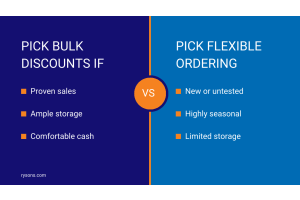
- Bulk Buying Opportunities: Discuss bulk purchase discounts with your wholesaler. If storage space allows and demand is consistent, buying larger quantities can reduce per-unit costs.
- Access to Clearance and Deals: Keep an eye on wholesale clearance UK sections and special offers from your suppliers. These can provide significant savings on quality products, allowing you to maintain healthy margins or offer competitive pricing.
- Diverse Product Range: Work with a wholesaler that offers a broad and relevant product range. For example, stocking a variety of household essentials alongside popular health & beauty items ensures you cater to everyday needs and impulse buys, maximising your sales potential per customer visit.
- Reliable Supply: A dependable wholesaler ensures consistent stock availability, preventing lost sales due to empty shelves.
Looking Ahead: Adaptability is Key
The retail landscape is constantly evolving, and April's cost crunch is another reminder of the need for adaptability and strategic foresight. While the challenges are real, they also present an opportunity for retailers to review their operations, identify efficiencies, and strengthen their business models.
By focusing on smart cost management, strategic pricing, enhancing customer experience, and leveraging strong wholesale partnerships, UK retailers can not only weather this storm but emerge stronger and more resilient. The ability to pivot, innovate, and provide genuine value to customers will be the hallmarks of successful retail in the coming months.
Explore how Rysons can support your business with competitive pricing and a diverse product range. Visit Rysons.com today to discover our extensive wholesale catalogue.