

January Price Hikes: Navigating Retail Inflation
As UK retailers, the turn of the new year often brings a mix of optimism and strategic planning. However, January 2026 has ushered in a familiar challenge: persistent inflation and the inevitable price hikes from suppliers. For many B2B wholesale buyers, this means re-evaluating stock, adjusting pricing strategies, and finding new ways to maintain profitability without alienating a cost-conscious customer base. This post aims to provide actionable insights for UK retailers navigating these turbulent economic waters.
The January Jolt: Understanding the Latest Price Increases
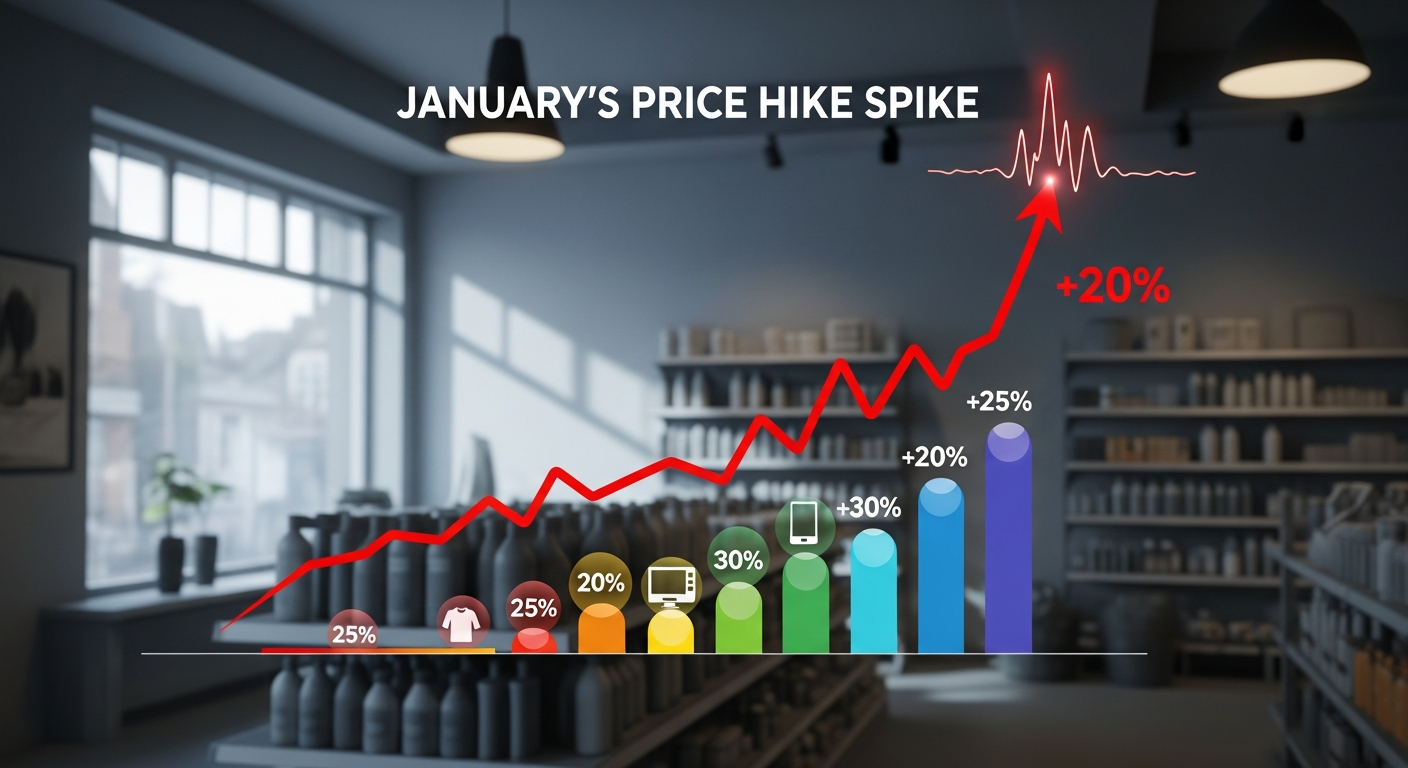
January is traditionally a month when many manufacturers and distributors review their costs and implement new pricing structures. This year, the impact of continued energy costs, supply chain disruptions (despite some easing), and wage inflation means that these increases are particularly pronounced. For UK retailers, this isn't just about absorbing higher costs; it's about understanding the ripple effect across various product categories.
Why January?
- Annual Reviews: Many businesses align their pricing adjustments with the start of the fiscal year or calendar year for administrative simplicity.
- Cost Accumulation: The cumulative effect of rising operational costs throughout the previous year often culminates in a Q1 price adjustment.
- New Contracts: Supplier contracts, shipping agreements, and raw material costs are frequently renegotiated at the year's outset.
The challenge for independent shops, convenience stores, and market traders is significant. Your customers are already feeling the pinch, and passing on every price increase can lead to reduced footfall and sales volumes. The key is to be strategic, informed, and proactive.

Strategic Sourcing: Your First Line of Defence
When wholesale prices rise, your sourcing strategy becomes paramount. This isn't merely about finding the cheapest supplier; it's about finding the best value, reliability, and terms that protect your margins.
Diversify Your Supplier Base
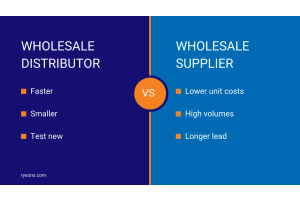
Relying on a single supplier, especially for core products, can leave you vulnerable to their price increases. Explore new wholesale partners. Look for suppliers who specialise in bulk purchasing or offer competitive rates for specific categories. For instance, diversifying your sourcing for household essentials can often yield significant savings, as this category is particularly sensitive to consumer price perception.

Leverage Volume Discounts
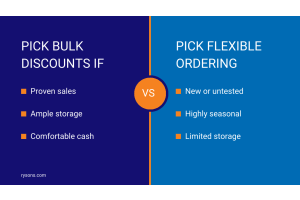
If you have the storage capacity and can forecast demand accurately, consider increasing your order volumes to unlock better pricing tiers. Many B2B wholesale suppliers offer tiered discounts that can make a substantial difference to your per-unit cost. However, be cautious not to overstock, which can tie up capital and lead to obsolescence.
Focus on Value-Driven Products
In an inflationary environment, consumers are increasingly seeking value. This doesn't necessarily mean 'cheap'; it means products that offer utility, durability, or a perceived benefit that justifies their cost. Consider stocking a broader range of pound lines or everyday necessities where customers expect competitive pricing. These items can act as footfall drivers, encouraging customers into your shop where they might then purchase higher-margin goods.
Optimising Your Product Mix and Pricing
With wholesale costs fluctuating, a static pricing strategy simply won't suffice. You need to be agile and data-driven.
Analyse Your Margins by Category
Not all products contribute equally to your bottom line. Perform a thorough analysis of your product categories to identify which ones have the healthiest margins and which are most susceptible to recent price hikes. For categories like toys & games, which can be highly seasonal and trend-driven, understanding your cost of goods sold (COGS) is critical to setting competitive retail prices without eroding profit.
- High-Margin Heroes: Identify products that still offer good profit despite increases. Can you promote these more effectively?
- Low-Margin Liabilities: For products with razor-thin margins, consider whether they are essential footfall drivers or if they can be replaced with more profitable alternatives.
- Strategic Price Adjustments: Rather than blanket increases, apply targeted adjustments. Small increases on multiple items are often less noticeable than a large jump on a single popular product.
Implement Dynamic Pricing
Where feasible, consider dynamic pricing strategies. This involves adjusting prices based on demand, competitor pricing, and stock levels. While more common in e-commerce, brick-and-mortar stores can adapt this by regularly reviewing prices, especially for non-essential items or those with varying supply costs.
Bundle Products for Perceived Value
Bundling related items together can create a perception of greater value, even if individual components have seen price increases. For example, a cleaning bundle combining various cleaning supplies might appeal more than buying each item separately, especially if the bundle price offers a slight saving compared to individual purchases.
Controlling Operational Costs
While sourcing and pricing are key, don't overlook your internal operations. Every penny saved here contributes directly to your profit margin.
Energy Efficiency
With energy costs remaining high, investing in energy-efficient lighting, heating, and refrigeration can yield long-term savings. Simple habits like switching off lights in unused areas or unplugging electronics overnight can also add up.
Stock Management
Efficient stock management reduces waste, prevents overstocking (which ties up capital), and minimises the need for costly clearance sales. Implement robust inventory systems to track sales, identify slow-moving items, and optimise reorder points. This is particularly important for pet products, which can have varying shelf lives or be subject to seasonal demand fluctuations.
Negotiate with Service Providers
Don't assume your existing contracts for services like waste disposal, internet, or insurance are the best deals. Periodically review and renegotiate these agreements. Even small savings across multiple service providers can make a difference.
Communication with Customers: Transparency is Key
Your customers are also facing inflationary pressures, and they appreciate honesty. Transparent communication can help maintain trust and loyalty.
Explain, Don't Apologise
If you must increase prices, consider a subtle communication strategy. A small sign or a brief explanation on your social media about rising supplier costs can help customers understand the necessity. Focus on the continued value and quality you offer.
Highlight Value
Instead of focusing on the price increase, highlight the value proposition. Emphasise the quality of your products, the convenience you offer, or any unique selling points that differentiate your shop. For example, if you offer a wide range of essential stationery & books, stress the comprehensive selection and convenience of one-stop shopping.
Loyalty Programmes and Promotions
Now more than ever, loyalty programmes can retain customers. Offer special discounts to repeat buyers, run targeted promotions, or introduce 'buy one get one free' (BOGOF) deals on selected items to drive sales and perceived value, even if your base prices have risen.
Looking Ahead: Adaptability is Your Superpower
The retail landscape is constantly evolving, and inflation adds another layer of complexity. For UK wholesale B2B buyers, the ability to adapt quickly is crucial.
- Stay Informed: Keep abreast of economic forecasts, industry news, and supplier updates.
- Network: Connect with other retailers. Sharing insights and strategies can provide valuable perspectives.
- Embrace Technology: Utilise point-of-sale (POS) systems for better data analysis, and explore e-commerce options if you haven't already, to reach a wider audience.
January's price hikes are a reality, but they don't have to define your year. By implementing smart sourcing strategies, optimising your product mix, controlling operational costs, and communicating effectively with your customers, your retail business can not only weather the storm but emerge stronger and more resilient. Focus on what you can control, and continue to provide the value and service your community relies on.
Explore Rysons.com today for competitive wholesale pricing across thousands of essential product lines, helping you manage costs and maintain profitability in the current economic climate. Visit Rysons.com to discover our full range and wholesale opportunities.