

5 Wholesale Ordering Myths Costing Retailers Money

UK retailers are facing tighter budgets and a shift towards responsive stock planning, making smart wholesale ordering more critical than ever this Q4. Many independent shops, market traders, and online sellers still fall victim to common myths about minimum order values (MOVs) and quantity (MOQs), unnecessarily locking up capital or missing profitable opportunities. The truth is, while most UK wholesale suppliers have an MOV, typically between £250 and £500 for a delivered order, how you approach it can make or break your margins.
Here are five common wholesale ordering mistakes that cost retailers money, and how to fix them.
1. The Myth of the "Static" Minimum Order Value
Many retailers treat a supplier's MOV as a fixed, unchangeable barrier. This leads to either over-ordering to meet a threshold or abandoning a potentially profitable supplier if their needs are smaller. The reality is that the right MOV for your business changes with your customer demand and cash flow. Forcing a £500 order when your current sales data suggests a £150 sweet spot for new lines is a recipe for dead stock.
Featured Wholesale Products




The Fix: Segment Your Buying & Negotiate for Value
Instead of viewing MOV as a static wall, consider it a flexible target. For new or unproven lines, prioritise suppliers with low or no MOVs, even if the per-unit price is slightly higher. This allows you to test the waters without significant risk. For example, Rysons operates with no minimum order on most lines, making it ideal for independent shops and new online sellers to test new pound lines or seasonal seasonal items without over-committing. When you find a proven seller, then scale up. Remember, according to Wholesale Shopping in May 2026, retailers are moving away from bulk-heavy buying, preferring smaller, more frequent orders.
2. Believing Clearance Stock is Always "Cheap" Stock
A widespread mistake is equating clearance with low quality. Retailers often jump on heavily discounted lines without considering the brand, demand, or true value. This fills shelves with unappealing products that gather dust, ultimately costing more in lost sales and storage than any initial saving.
The Fix: Look for Branded Clearance & Proven Sellers
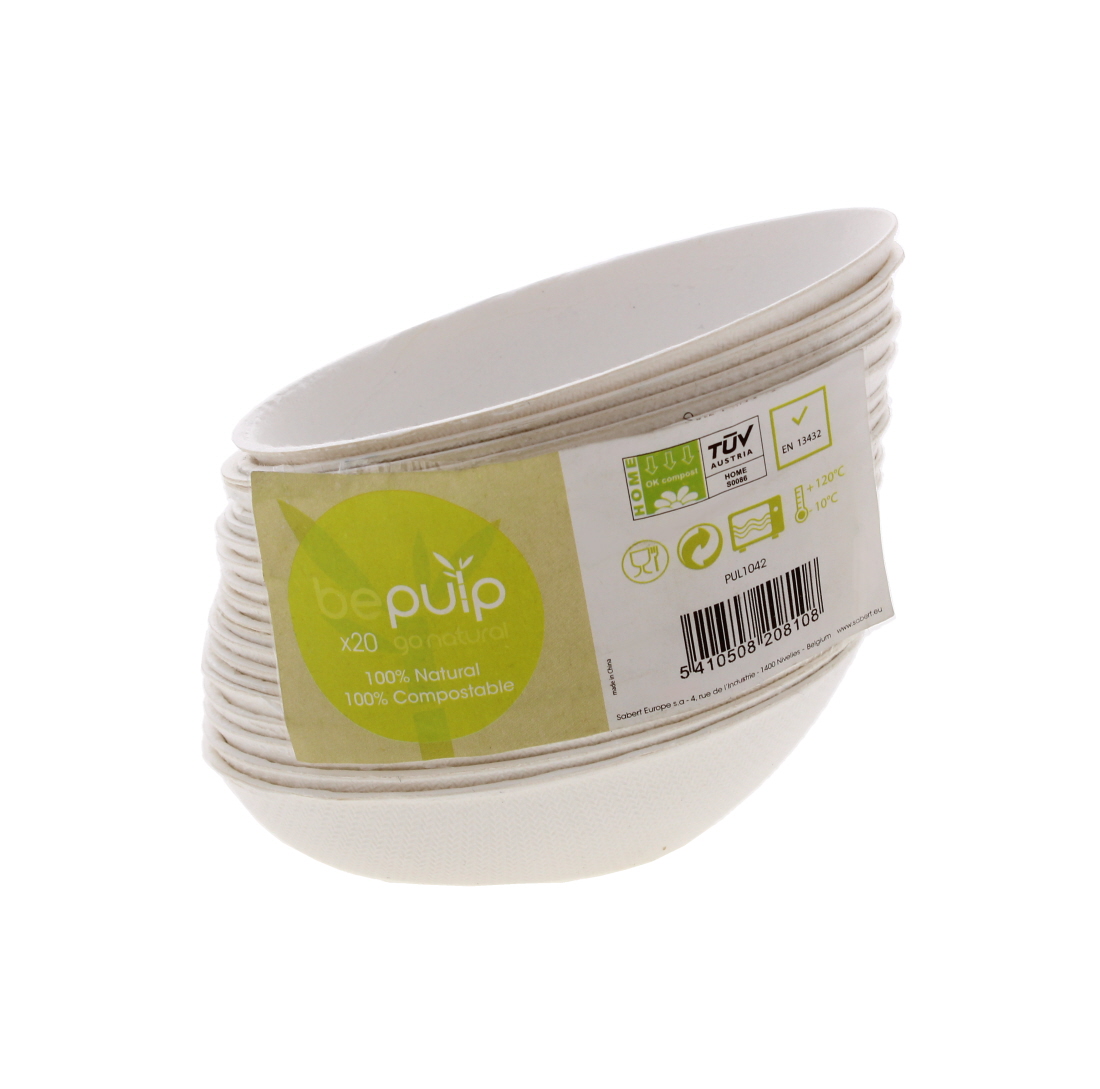
Clearance is not the same as cheap. A good clearance line is branded stock at a low price, not low-quality stock at a low price. Focus on recognisable brands or products with inherent utility that are simply being discontinued or overstocked by the manufacturer. For instance, you might find excellent value in clearance deals on practical items like Vacuum Air Fresheners, 20 Pack or Oval Mini Serving Dishes, Compostable, Pack of 20. An experienced wholesaler will tell you that buying the cheapest version of a line usually costs more in returns and dead stock.
3. Overlooking the Hidden Costs of Per-Product MOQs
While an overall order MOV offers flexibility, many suppliers impose Minimum Order Quantities (MOQs) per product line. Retailers often meet these MOQs blindly, assuming they need 12 units of every item. This can quickly lead to an unbalanced inventory, with some lines selling out and others sitting stagnant because you had to buy more than you needed.
The Fix: Prioritise Assortment & Analyse Sell-Through
Understand whether your supplier's minimums apply per order value or per product line. Per-order-value minimums, like those at Rysons, allow for a much wider range of products in a single order, letting you diversify your stock. Instead of buying 12 of a single novelty item, you could buy 3 of four different novelty items. This strategy is crucial for independent shops who need to offer variety without excessive inventory depth. Always analyse your sell-through rates to identify which specific products genuinely warrant higher MOQ commitments.
4. Missing Seasonal Opportunities by Ordering Too Late
Many independent retailers wait until a season is in full swing before ordering relevant stock. By then, prime lines are often out of stock, prices may be higher, and shipping times can impact sales. This reactive buying means missing out on peak demand and profitable early sales.
The Fix: Plan Ahead & Stock a Month Early
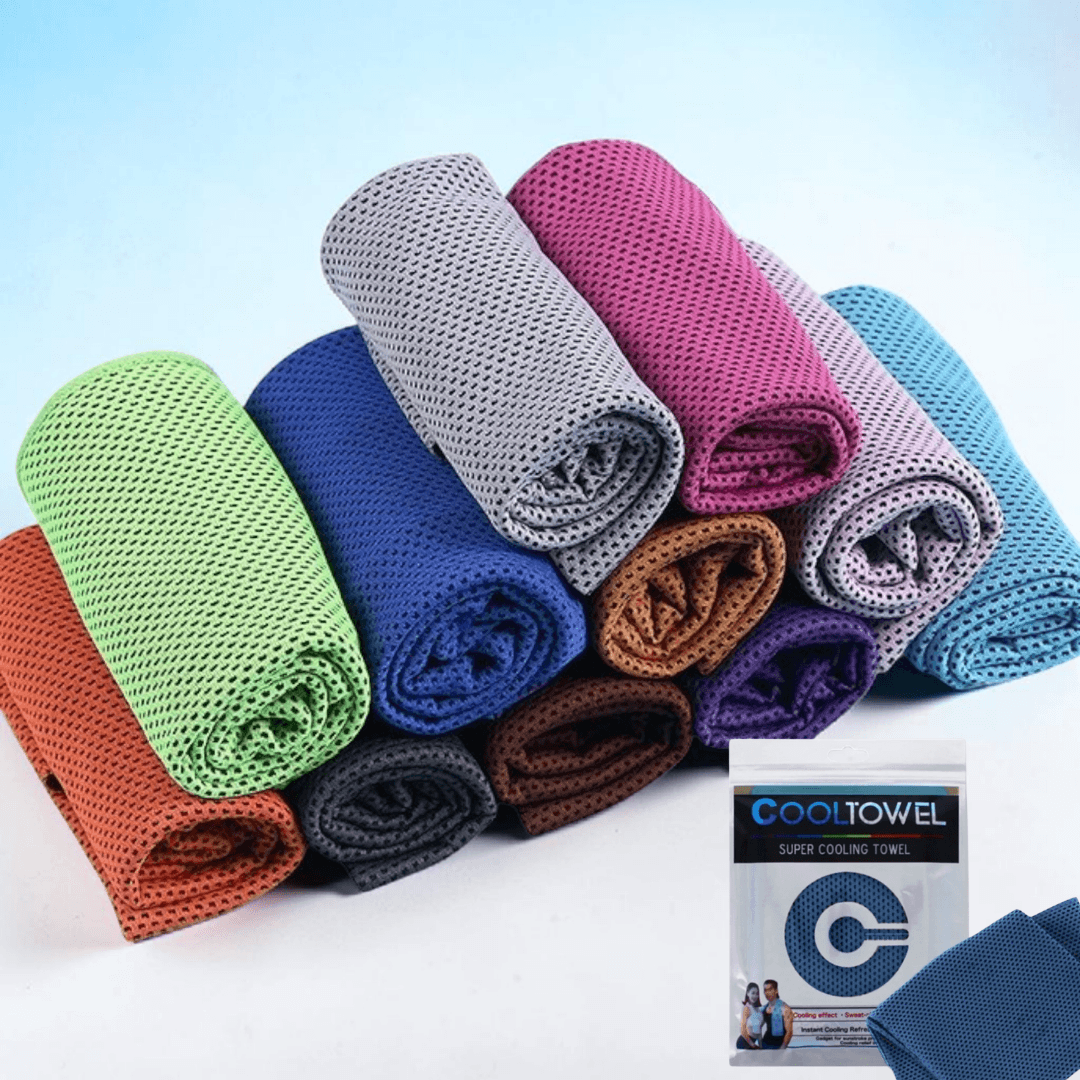
The money in seasonal stock is made by ordering while the season is still a month away. For summer, that means placing orders in late spring for items like Reusable Ice Cubes, 40 Pack in Mailing Bag (Ready to Post) or Super Cooling Towel Assorted. For winter, start looking at home & garden essentials like window insulation kits in late summer. Proactive ordering ensures you have stock when customers are looking for it, maximising your selling window. As a family-run importer and distributor for over 40 years, Rysons understands these cycles and stocks accordingly.
5. The Illusion of "One-Stop-Shop" Bulk Buying
The belief that consolidating all purchases with one supplier for maximum bulk discount is always the most cost-effective approach. While convenient, this can limit your product range, tie you to less competitive pricing for certain lines, and leave you vulnerable if that supplier has stock issues.
The Fix: Diversify Suppliers for Niche & Value
Smart retailers diversify their supplier base. Use a bulk supplier for your core, high-volume lines where you know the demand. Then, use flexible wholesalers like Rysons for niche products, new trends, or stationery & books where you need to test the market with smaller quantities. This hybrid approach ensures you get the best pricing where it matters most, maintain a fresh and varied inventory, and reduce your risk. Customers are smarter in 2026, margins are tighter, and retailers expect value, flexibility, and transparency from suppliers.

Your Wholesale Ordering Checklist
- Review Your MOV Strategy: For new lines, prioritise suppliers with low or no minimums to test demand.
- Analyse Clearance Value: Look for branded, high-utility clearance items over generic cheap stock.
- Understand MOQ vs. MOV: Opt for per-order-value minimums to diversify your inventory more easily.
- Order Seasonal Stock Early: Aim to have seasonal items on shelves a month before peak demand.
- Diversify Suppliers: Use a mix of bulk and flexible wholesalers to optimise pricing and product range.
- Visit Our Manchester Warehouse: Consider collecting orders in person for added flexibility if you're local.
FAQs on Wholesale Ordering
What's the difference between MOQ and MOV?
MOQ (Minimum Order Quantity) refers to the smallest number of units you must purchase for a specific product line. MOV (Minimum Order Value) is the lowest total monetary value your entire order must reach to be processed by the supplier.
How can I avoid overstocking when meeting MOVs?
Focus on suppliers with low MOVs or no minimums on individual lines. Prioritise known best-sellers for larger orders and use smaller test orders for new or seasonal items. Diversify your product mix within your MOV rather than ordering large quantities of a single item.
Is it always better to buy in bulk for lower unit prices?
Not always. While bulk buying can offer lower unit costs, it ties up more capital and increases the risk of dead stock if the item doesn't sell. For new businesses or those with limited storage, smaller, more frequent orders often prove more profitable by keeping cash flow healthy and inventory fresh.
By understanding and actively managing your wholesale ordering models, you can avoid common pitfalls and ensure your stock strategy genuinely supports your business growth. Ready to optimise your inventory? Explore thousands of lines with flexible ordering options and competitive pricing. Visit Rysons.com today.