

Choosing Profitable Bulk DIY Tools for Your Shop
Securing profitable wholesale DIY tools for your retail outlet means balancing diverse customer needs with solid margins. The key isn't just buying cheap; it's about stocking what sells consistently and strategically. For independent shops, market traders, and online sellers, focusing on core DIY categories and understanding supplier reliability are paramount for sustained success.
The Enduring Demand for DIY & Tools
Despite no specific timely market news for September 2026, the underlying demand for DIY tools remains robust across the UK. Homeowners, hobbyists, and tradespeople consistently seek reliable equipment for repairs, improvements, and new projects. This steady demand makes wholesale DIY tools a dependable category for retailers, provided they choose wisely.
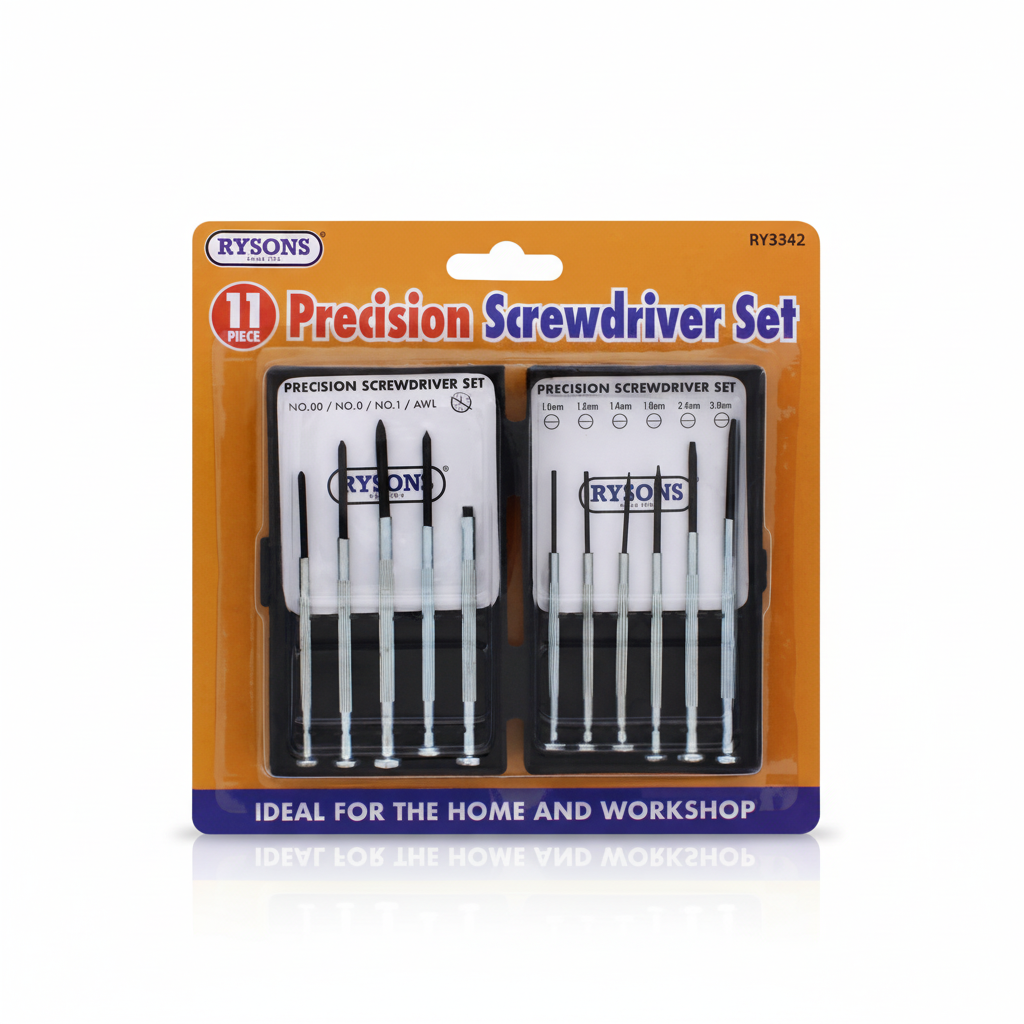
An experienced wholesaler will tell you that buying the cheapest version of a line usually costs more in the long run; returns and dead stock wipe out the initial saving. Instead, focus on value and quality that encourages repeat business. For example, a quality Precision Screwdriver Set - 11 Piece offers versatility for delicate tasks, appealing to a broad customer base from electronics repair to general household fixes.
Featured Wholesale Products
Essential DIY Tool Categories for Your Stock
When sourcing hardware tools wholesale, it's crucial to identify categories with consistent turnover. Think about the everyday needs of your customers:
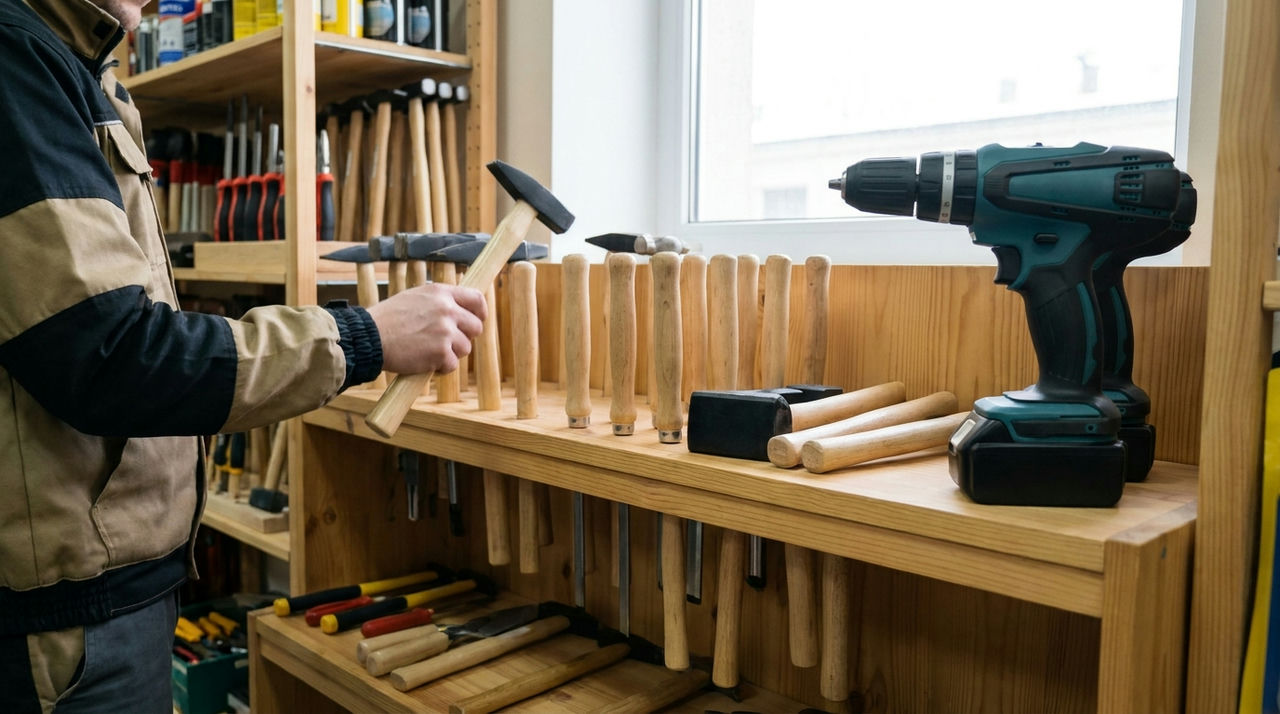
- Hand Tools: These are the bread and butter. Screwdrivers, hammers, pliers, and wrenches are always in demand. Consider multi-packs or sets like the Precision Screwdriver Set - 11 Piece to offer better value.
- Measuring & Marking: Tape measures, spirit levels, and pencils are essential for any project. These are low-cost, high-volume items.
- Fasteners & Fixings: Screws, nails, wall plugs, and bolts are consumable items that customers repeatedly purchase. Stocking a good range ensures they return.
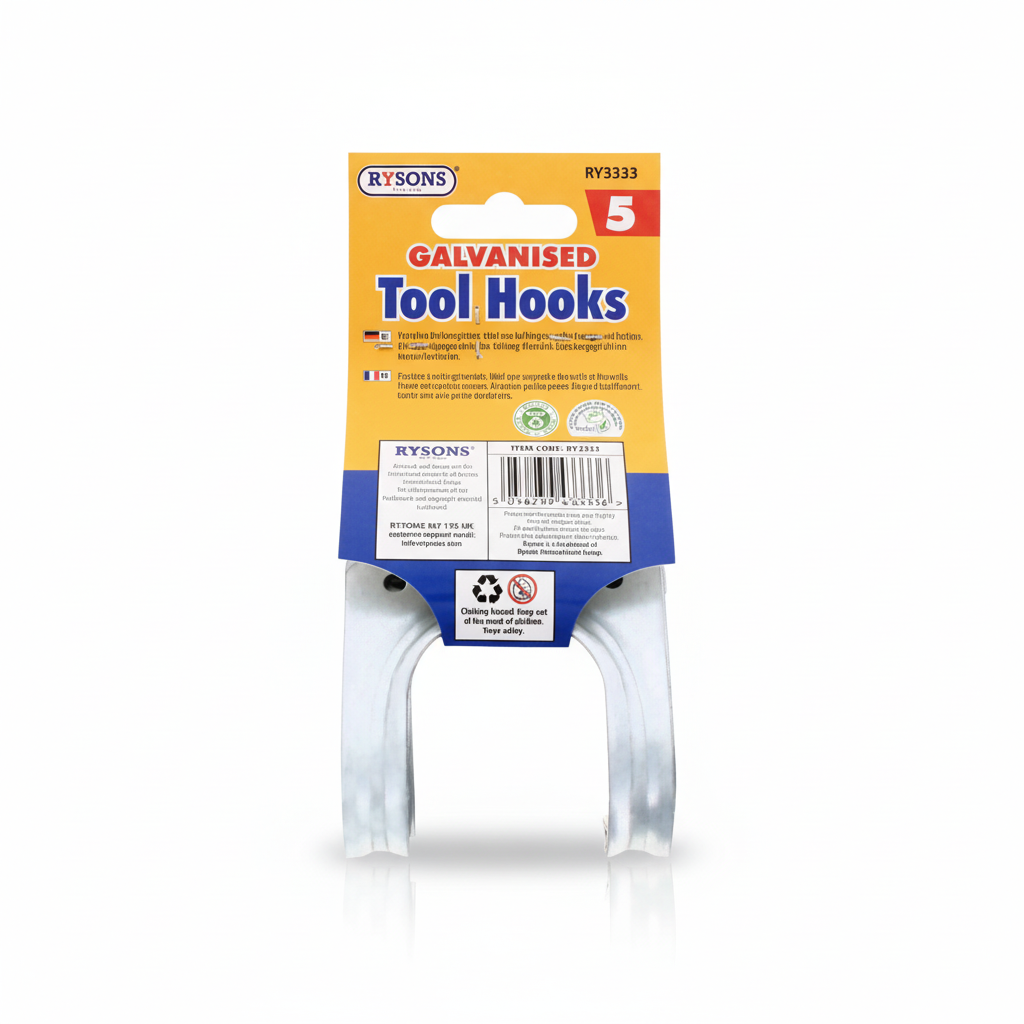
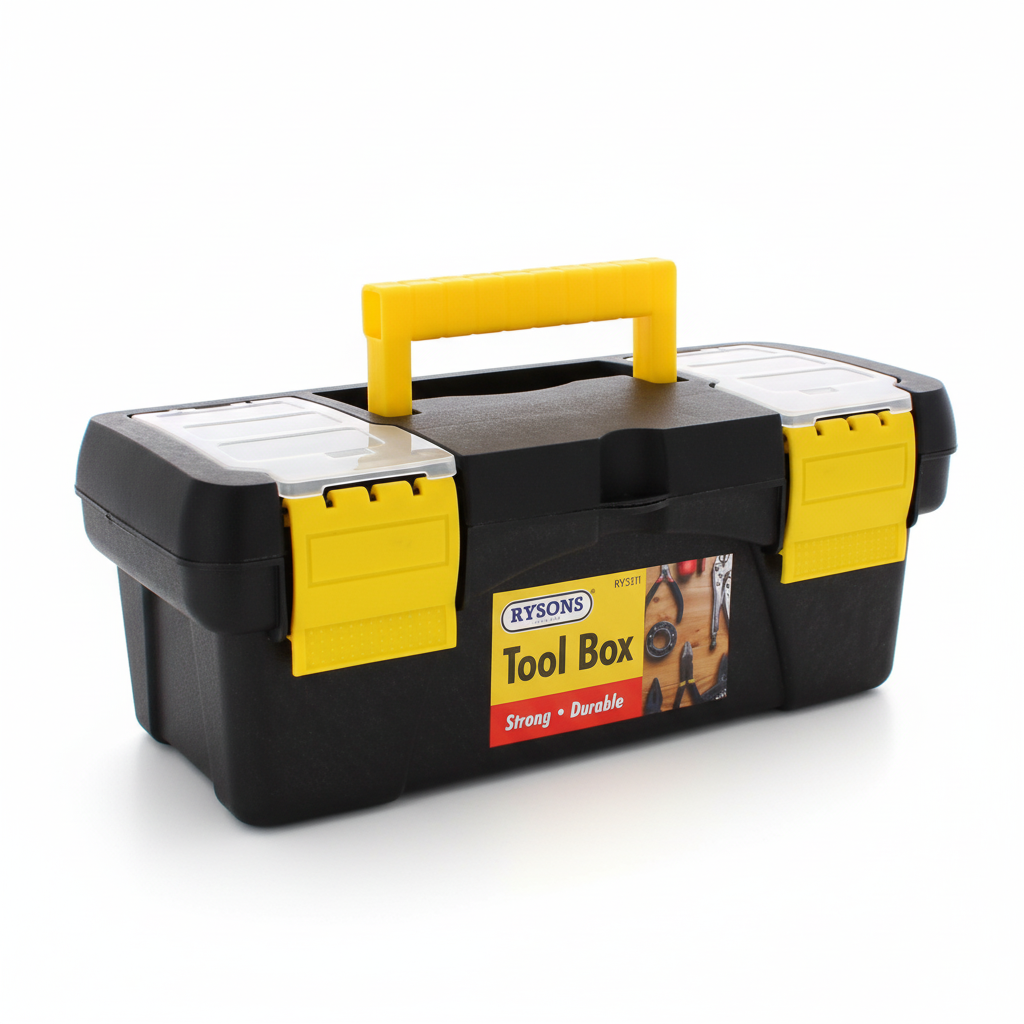
- Storage & Organisation: Solutions for keeping tools tidy are always popular. Items like the Tool Box PP Plastic 25.5x10 cm provide practical storage for smaller items, while Galvanised Steel Tool Hooks 5 Pack are perfect for garage or shed organisation.
- Safety Gear: Gloves, safety glasses, and dust masks are non-negotiable for DIY enthusiasts. These are easy add-on sales.
A shop owner should buy narrow and deep on proven sellers, rather than wide and shallow across novelty lines. This strategy minimises dead stock and maximises cash flow.
Capitalising on Clearance DIY Stock
Clearance stock is not the same as cheap; a good clearance line is branded stock at a low price, not low-quality stock at a low price. Savvy trade buyers know that clearance DIY tools offer excellent margin opportunities. Look for end-of-line tools from reputable brands or seasonal overstocks. These can be sold at attractive prices while still yielding significant profit margins.
When approaching clearance, calculate your potential return on investment carefully. While a US market source states bulk power tool purchases can save up to 25% compared to individual purchases, the principle of significant savings holds true for UK clearance manual tools too. The real win comes from swift turnover of these items.
Calculating Breakeven on Bulk Orders
Before committing capital to September-stocked inventory, every retailer needs to know their breakeven point. This critical gap is often missed by wholesale suppliers. Here's how to approach it:
- Determine Your Landed Cost Per Unit: This includes the wholesale price, shipping, and any import duties.
- Estimate Your Operating Costs Per Sale: Factor in rent, utilities, staff wages, and marketing overheads allocated per item sold.
- Set Your Desired Profit Margin: What percentage do you aim for? For DIY tools, a 30-50% margin is often achievable on well-sourced items.
- Calculate Breakeven Price: (Landed Cost + Operating Cost Per Unit) / (1 - Desired Profit Margin Percentage) = Your minimum selling price to cover costs and hit your margin target.
For example, if a tool costs you £2 landed, and your operating cost per unit is £0.50, and you aim for a 40% margin: (£2 + £0.50) / (1 - 0.40) = £2.50 / 0.60 = £4.17. This tells you that you need to sell the item for at least £4.17 to hit your profit goal after all costs.
Finding Reliable Wholesale DIY Tool Suppliers
The UK market has active wholesale DIY suppliers, many of whom support hardware shops, electricians, plumbers, builders, and market traders. However, reliability and transparency are key. Look for suppliers who:
- Have a Physical Presence: A real warehouse, like Rysons' in Manchester, allows trade buyers to collect in person, offering flexibility and cost savings on shipping. This also indicates a solid, established business, not just a dropship middleman.
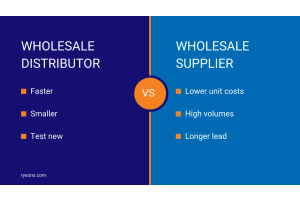
- Offer Flexible Ordering: No minimum order for most lines is a significant advantage for small shops and new online sellers starting out.
- Provide a Broad Range: Access to around 5,000 active lines across general merchandise, clearance, and pound lines means you can consolidate your purchasing.
- Have a Proven Track Record: Rysons, for example, has traded for over 40 years as an importer and distributor, family-run from Manchester, shipping across the UK and internationally.
When selecting a supplier, consider their ability to consistently deliver quality stock. A reliable partner like Rysons, with its own registered brands such as Jayting, offers an assurance of consistent product lines often missing from other distributors.
Which Wholesale Strategy: Volume vs. Niche?
Deciding between high-volume, low-margin items and lower-volume, higher-margin niche tools is a common dilemma for trade buyers.
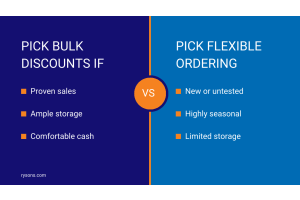
- Pick Volume if: Your customers are general consumers, DIY enthusiasts, or those seeking everyday essentials. Focus on items like basic hand tools, fasteners, or safety gear. You'll move more units, relying on consistent demand and competitive pricing. This strategy works well for pound and discount stores.
- Pick Niche if: Your customer base is more specialised, perhaps professional tradespeople, specific hobbyists, or those with unique project requirements. Consider specialised measuring tools, specific power tool accessories, or high-end hand tools. You'll sell fewer units but at a higher price point, demanding a deeper understanding of your customer's specific needs.
Many successful retailers blend both, using high-volume items as footfall drivers and niche products to boost average transaction value.
Frequently Asked Questions About Sourcing DIY Tools
How often should I restock bulk DIY tools?
Restocking frequency depends on your sales velocity. For fast-moving essentials, consider weekly or bi-weekly orders. For slower, niche items, monthly or quarterly might suffice. Use sales data to inform your decisions, ensuring you never run completely out of core items.
What's the best way to display bulk tools for retail?
Effective display involves clear pricing, logical grouping (e.g., all screwdrivers together), and easy accessibility. Pegboards are excellent for hand tools, while bins work well for fasteners. Consider creating project-based displays, e.g., 'Bathroom Renovation Essentials' sections.
Can I mix and match different tool categories in a single bulk order?
Absolutely. Most reputable wholesalers, like Rysons, allow you to build mixed orders across their extensive range of home & garden, electrical, and DIY products. This flexibility is crucial for independent retailers managing diverse inventory needs without being forced into large quantities of a single item.
To secure your share of the enduring DIY market, focus on smart sourcing and calculated purchasing. Explore the extensive range of wholesale DIY tools and other profitable lines available to trade buyers today at Rysons.com.