

Where to Buy Bulk Tools for Tradespeople: Clinic

Answered: Your Bulk DIY Tools UK Questions for Q4
With winter easing and UK construction and landscaping sectors picking up pace, spring marks a surge in demand for materials and labour. Tradespeople are preparing for busier workflows, especially in spring construction projects and landscaping jobs. September sits between peak summer demand and autumn catch-up season, making bulk-buying decisions critical now. This clinic directly addresses where professional tradespeople can buy tools in bulk at cheap prices, focusing on the B2B wholesale buying perspective.
How do I balance cash flow when tradespeople are raising day rates by an average of 9.5% in 2026? Should I stock deeper or shift to just-in-time orders?
The smartest move for independent retailers right now is to stock deeper on proven sellers, especially given that 81% of tradespeople plan to increase prices in 2026. Pre-positioning your inventory at current wholesale rates before Q4 price climbs is urgent. Waiting for just-in-time orders will expose you to higher costs and potential stockouts. Demand for builders, electricians, plumbers, and other skilled trades outstrips supply, according to Capital on Tap's April 2026 UK Trade Report, meaning tradespeople will pay for availability.
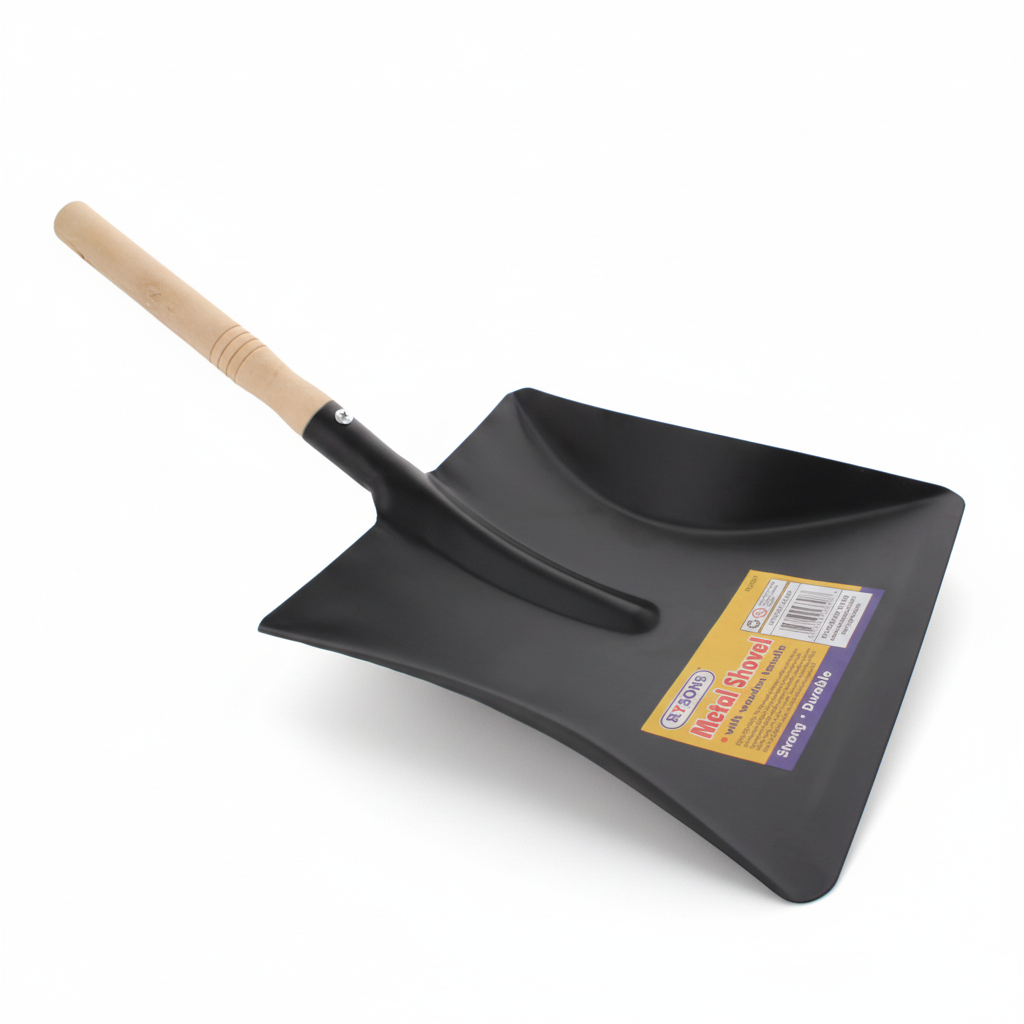
An experienced wholesaler will tell you that buying the cheapest version of a line usually costs more: returns and dead stock wipe out the saving. Focus on value and reliability. For instance, stocking essential items like a Large Metal Shovel with Wooden Handle or a Holster For Tools, Screwdrivers, with 6 Pockets in bulk now will lock in better prices and ensure you meet rising demand.
Featured Wholesale Products

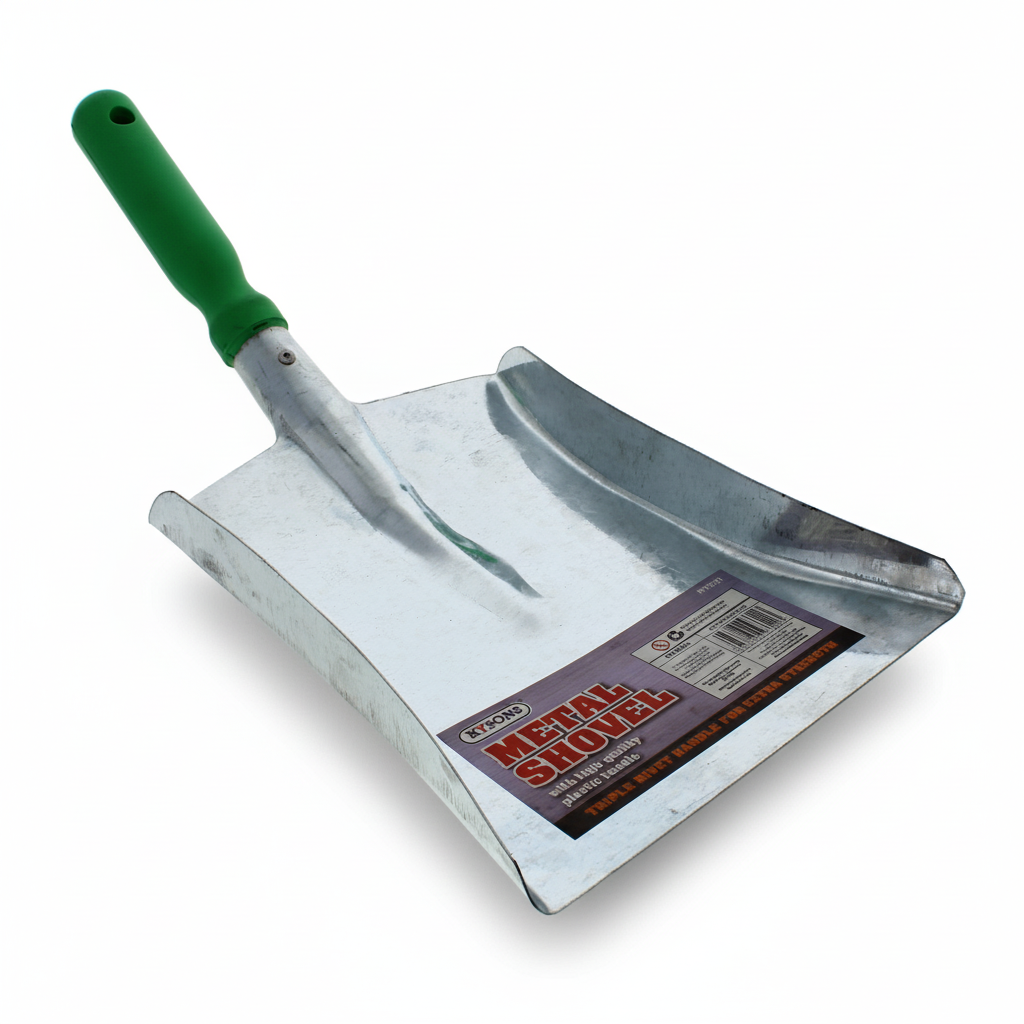
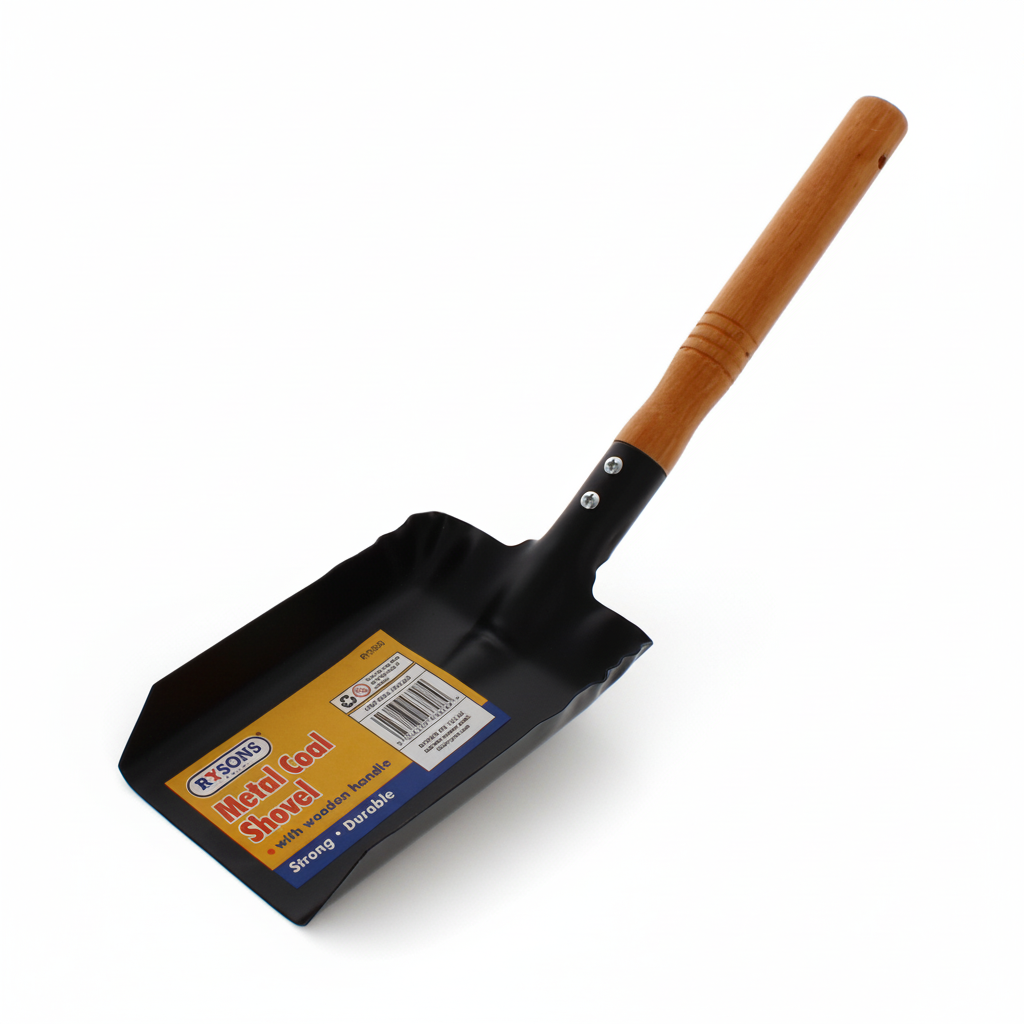
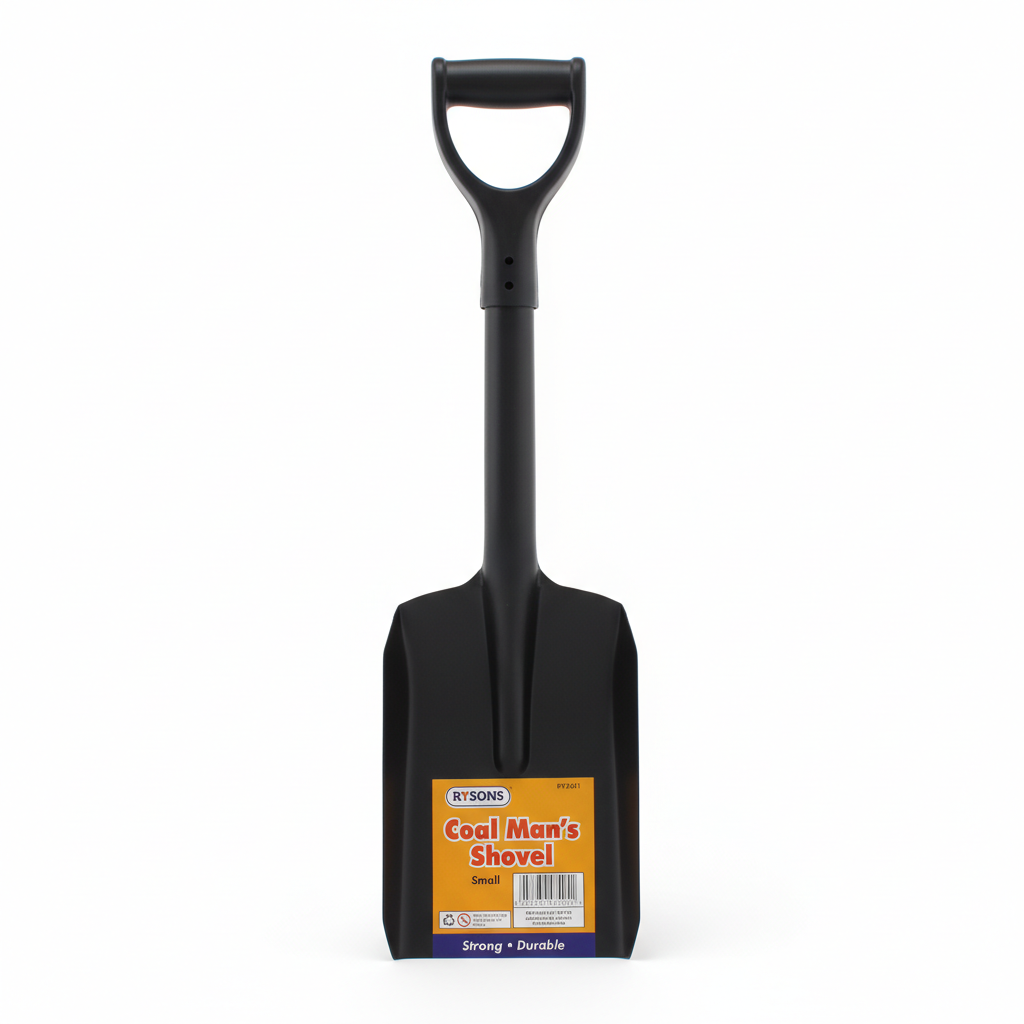
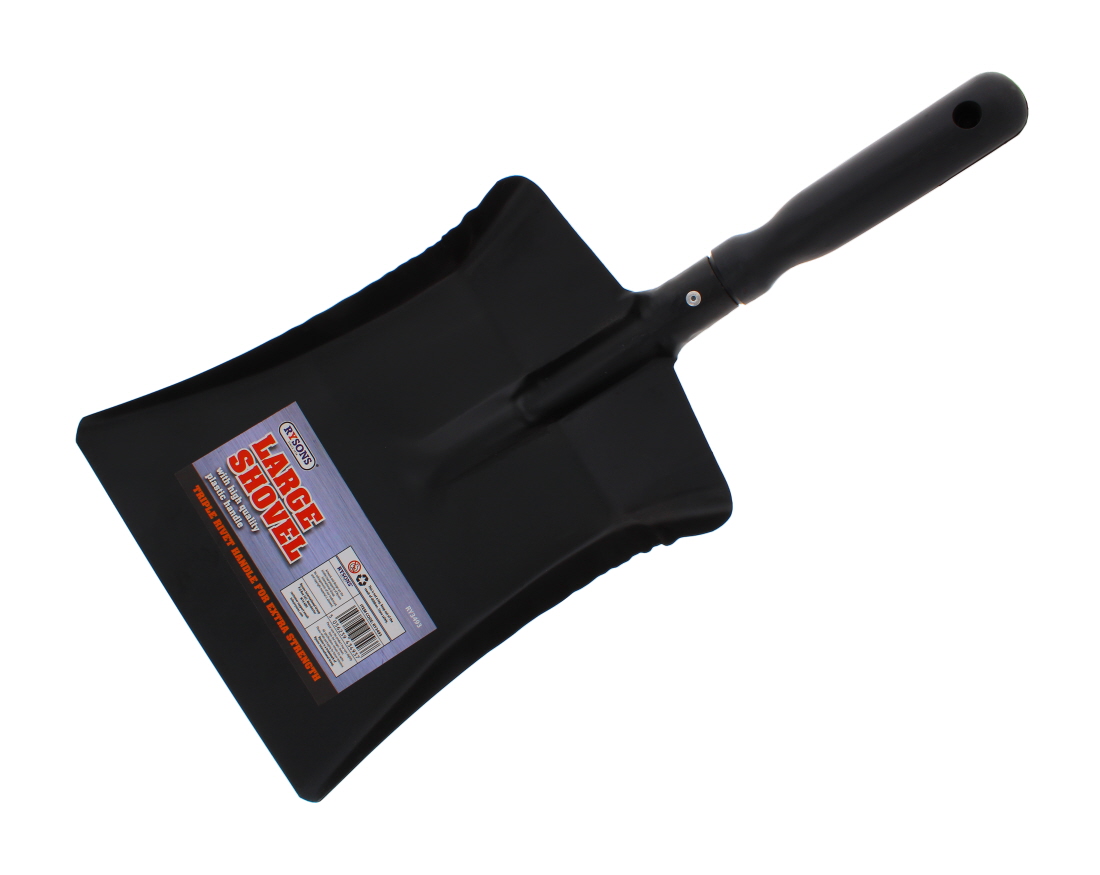
Supply cannot keep pace with demand, particularly in core trades such as carpentry, bricklaying, electrics, plumbing and groundwork – which tool categories are genuinely moving fastest for my margin?
The critical insight here is understanding demand velocity. While top-ranking wholesale pages emphasise SKU range, they rarely detail what's selling fastest right now. For Q4, focus on hand tools and essential accessories that support the core trades facing the most acute supply shortages. With the construction workforce still significantly smaller than it was in 2019, tradespeople are relying on robust, readily available tools.
Fast-moving categories for strong margins this season include:
- General Hand Tools: Hammers, screwdrivers, measuring tapes, and utility knives. These are constantly needed across all trades.
- Site Essentials: Shovels (such as the Metal Shovel 12-inch with Plastic Grip), buckets, and tarpaulins. Landscaping and groundwork are booming as spring construction projects get into full swing.
- Organisational Aids: Tool belts, pouches, and storage solutions. Tradespeople are investing in efficiency to manage their increased workload.
- Safety Gear: Gloves, safety glasses, and basic first-aid kits. Compliance and personal protection are non-negotiable.
A shop owner should buy narrow and deep on proven sellers, not wide and shallow across novelty lines. This maximises your stock turn and minimises dead stock risk.
What are building materials lead times with my supplier, and am I locking in inventory early enough?
This is where many independent retailers fall short. Seasonal stock is bought too late by most independents – the money is made by ordering while the season is still a month away. Given the current supply chain strain and the fact that tradespeople are booked months in advance, locking in inventory early is paramount. Many wholesale suppliers, particularly for critical categories like electrical tools or plumbing fittings, are reporting lead times of 4-8 weeks, sometimes longer.
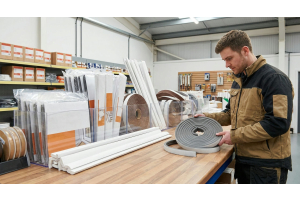
You need to be asking your current suppliers for confirmed stock levels and estimated delivery dates for your key lines. If electrician demand is driving tool shortages, as the data suggests, then proactively securing stock of high-demand electrical accessories is crucial. Don't assume availability; verify it. Rysons, for example, operates from a real warehouse in Manchester, allowing trade buyers to collect in person, which can bypass some delivery delays if you're local.
The Missing Piece: Quantifying Lead-Time Risk and Demand Velocity
No other wholesale directory provides the granular, time-sensitive intelligence you need right now. Here’s how to navigate the current market:
- Prioritise Core Trade Tools: Focus on tools for carpentry, bricklaying, electrics, plumbing, and groundwork. These are the trades where demand significantly outstrips supply.
- Demand Signals for September: Look for increased sales of heavy-duty hand tools, levelling equipment, and basic electrical testing gear. Landscaping tools like spades and rakes will also see a sustained push into autumn.
- Supplier Stock Confirmation: Before placing large orders, confirm current stock levels for specific SKUs. Ask for written confirmation of lead times. If a supplier cannot provide this, consider it a red flag.
- Diversify Suppliers (Carefully): While Rysons offers around 5,000 active lines with no minimum order for most, allowing small shops and new online sellers to start here, it's wise to have backup options for critical lines. However, be wary of new, unproven suppliers promising unrealistic lead times.
- Monitor Raw Material Prices: The cost of steel, plastic, and other raw materials directly impacts tool prices. Keep an eye on market trends to anticipate future price increases.
Clearance is not the same as cheap: a good clearance line is branded stock at a low price, not low-quality stock at a low price. Always assess quality, even on a deal.
What are the benefits of buying wholesale DIY tools in bulk?
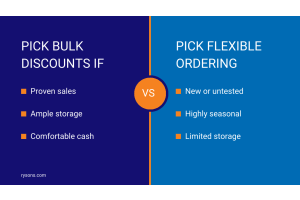
Buying in bulk offers significant cost savings per unit, improves your profit margins, and ensures you have sufficient stock to meet customer demand, especially during peak seasons. It also reduces the frequency of ordering, saving on administrative and shipping costs.
How do I find reliable wholesale DIY tool suppliers in the UK?
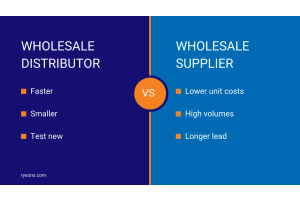
Look for suppliers with a long trading history, like Rysons, which has traded for over 40 years as an importer and distributor. Check their reputation, customer service, and their ability to provide clear lead times and consistent stock. A physical warehouse, such as Rysons' Manchester base, is a strong indicator of reliability over a dropship middleman.
What should I consider regarding minimum order quantities (MOQs)?
MOQs vary by supplier. Some, like Rysons, offer no minimum order on most lines, which is ideal for smaller businesses or those testing new products. Larger wholesalers may have higher MOQs, but often offer better per-unit pricing. Balance your cash flow and storage capacity against the potential savings.
To secure your position for Q4 and beyond, proactive ordering is non-negotiable. Review your DIY and garden tool needs now, confirm lead times, and lock in your bulk orders. Visit Rysons.com to explore our extensive range of wholesale tools and essential trade supplies.