

Finding UK Wholesalers for Your Online Shop

In the dynamic world of e-commerce, securing a consistent and reliable supply chain is paramount for any online shop looking to thrive. For UK retailers, identifying the right UK wholesalers is not just about competitive pricing; it's about ensuring product quality, efficient logistics, and fostering strong business-to-business relationships. This guide delves into practical strategies for online shops to navigate the wholesale landscape and find the perfect partners to stock their virtual shelves.
The Importance of UK Wholesalers for Online Retailers
Opting for UK-based wholesalers offers a multitude of advantages that can significantly impact an online shop's success. Beyond supporting the local economy, these benefits directly translate into operational efficiencies and enhanced customer satisfaction.
- Faster Shipping and Reduced Lead Times: Proximity means quicker delivery to your customers, which is a major competitive edge in today's instant-gratification culture. It also reduces the time between placing your order and receiving stock, allowing for more agile inventory management.
- Lower Shipping Costs: Domestic shipping is inherently less expensive than international freight, cutting down your overheads and potentially increasing your profit margins.
- Easier Returns and Exchanges: Dealing with returns and exchanges for faulty or unwanted goods is simpler and less costly when your supplier is within the same country, streamlining customer service.
- Compliance with UK Regulations: UK wholesalers are typically well-versed in local product standards, safety regulations, and consumer laws, mitigating the risk of compliance issues for your business.
- Better Communication: Shared language, time zones, and cultural understanding facilitate clearer and more effective communication, reducing misunderstandings and improving problem-solving.
- Support for Local Economy: By choosing UK wholesalers, you contribute to the national economy and often support other small and medium-sized enterprises, which can be a strong selling point for ethically conscious consumers.
Where to Begin Your Search for UK Wholesalers
Finding the ideal wholesale partner requires a systematic approach. Here are several avenues online retailers should explore:

1. Online Wholesale Directories
Online directories are often the first port of call for businesses seeking suppliers. These platforms aggregate thousands of wholesalers, categorised by industry, product type, and location. Some popular options include:
- Wholesale Central UK: A comprehensive directory for various product categories.
- eSources: One of the largest directories, offering a vast array of UK suppliers.
- The Wholesaler: Another valuable resource with a strong focus on UK businesses.
When using directories, pay attention to supplier reviews, minimum order quantities (MOQs), and payment terms. Many directories also offer filtering options to narrow down your search efficiently.

2. Trade Shows and Exhibitions
While online directories are convenient, nothing quite compares to the experience of a trade show. These events provide a unique opportunity to:
- Meet Suppliers Face-to-Face: Building personal relationships can be invaluable. You can discuss terms, view products firsthand, and gauge a supplier's professionalism.
- Discover New Products: Trade shows are often where new and innovative products are launched, giving you a chance to be an early adopter.
- Network with Other Retailers: Share insights, challenges, and recommendations with peers in the industry.
- Assess Product Quality: You can physically inspect samples, test products, and ask detailed questions about manufacturing and materials.
Look for UK-specific trade shows relevant to your niche, such as Spring Fair for home & garden products, Toy Fair for toys & games, or Pure London for fashion.
3. B2B Marketplaces
Beyond traditional directories, several B2B marketplaces facilitate transactions between retailers and wholesalers. Platforms like Faire or Alibaba (with a UK-specific filter) allow you to browse products, compare prices, and place orders directly. These marketplaces often provide buyer protection and streamlined ordering processes, making them particularly appealing for smaller online shops or those new to wholesale sourcing.
4. Direct Approach to Manufacturers
If you're looking for branded goods or want to ensure authenticity and the best possible pricing, contacting manufacturers directly can be an effective strategy. Many manufacturers have wholesale programmes or can direct you to their official distributors in the UK. This approach can be more time-consuming but often yields better margins and a more direct supply chain.
5. Industry-Specific Publications and Associations
Trade magazines, online journals, and industry associations often feature advertisements or lists of reputable wholesalers within specific sectors. Joining an industry association can also provide access to exclusive supplier lists, networking events, and valuable insights into market trends.
6. Google Search Optimisation
Don't underestimate the power of a well-crafted Google search. Use specific keywords like "wholesale [your product niche] UK," "[product category] bulk buy UK," or "UK dropshipping suppliers [product]." Experiment with different phrases to uncover smaller, niche wholesalers that might not be listed in major directories.
Key Considerations When Evaluating UK Wholesalers
Once you've identified potential suppliers, it's crucial to thoroughly vet them to ensure they are a good fit for your online shop. Here’s what to look for:
1. Product Range and Quality
Does the wholesaler offer the specific products you need? Are there enough variations in colours, sizes, or styles to cater to your customer base? Always request samples to personally assess the quality of the goods. For instance, if you're selling health & beauty products, you'll want to ensure they meet high standards and are properly certified.
2. Minimum Order Quantities (MOQs)
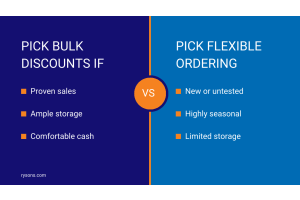
MOQs vary significantly between wholesalers. Some may require substantial orders, which can be challenging for new or smaller online shops. Look for wholesalers with flexible MOQs or consider 'pound lines' or clearance sections for lower entry points, allowing you to test products without significant upfront investment. Negotiating MOQs is also sometimes possible, especially if you demonstrate potential for future larger orders.
3. Pricing and Payment Terms
Compare pricing across multiple suppliers to ensure you're getting competitive rates. Enquire about tiered pricing for larger orders. Understand their payment terms – do they require upfront payment, or do they offer credit terms after an initial period? Net 30 (payment due 30 days after invoice) is common, but always clarify.
4. Shipping and Logistics
Investigate their shipping policies. What are the costs? How quickly do they dispatch orders? Do they offer tracking? Can they handle dropshipping if that's part of your business model? Efficient and reliable shipping is vital for customer satisfaction.
5. Returns and Damages Policy
A clear and fair returns policy is essential. What happens if goods arrive damaged or are faulty? What's the process for returning unsold stock? A good wholesaler will have a transparent policy that protects both parties.
6. Customer Service and Communication
Gauge their responsiveness and willingness to assist. A reliable wholesaler will have excellent customer service, responding promptly to enquiries and proactively communicating any potential delays or issues. Test this during your initial contact phase.
7. Reputation and Reviews
Look for reviews or testimonials from other retailers. Industry forums and social media groups can be great places to get unfiltered feedback on potential suppliers. A wholesaler with a strong, positive reputation is often a safe bet.
8. Specialisation and Niche Focus
Some wholesalers specialise in particular categories, offering deeper expertise and a more curated selection. For example, a wholesaler focusing on pet products might offer a more diverse and high-quality range of pet toys and accessories than a general merchandise supplier.
Building Strong Wholesale Relationships
Finding a wholesaler is just the first step; nurturing that relationship is key to long-term success. Treat your wholesalers as partners, not just suppliers.
- Communicate Clearly and Regularly: Keep them informed of your needs, market trends you're observing, and any feedback from your customers.
- Pay on Time: This builds trust and can lead to better terms or preferential treatment in the future.
- Provide Feedback: Constructive feedback on products or services can help them improve, benefiting both your businesses.
- Be Loyal (within reason): While it's wise to have backup suppliers, a degree of loyalty can be rewarded with better pricing or exclusive access to new products.
- Scale Together: As your online shop grows, your wholesale orders will increase. A good wholesaler will be able to scale with you, providing consistent supply as demand rises.
The journey to finding the perfect UK wholesalers for your online shop is an ongoing process of research, negotiation, and relationship building. By diligently applying these strategies and focusing on quality, reliability, and strong partnerships, UK online retailers can build a robust supply chain that fuels growth and ensures sustained success in the competitive e-commerce landscape.
Ready to explore a vast range of wholesale products for your online shop? Visit Rysons.com today to discover quality goods at competitive prices, designed for UK retailers.