

Avoid These 5 Costly Mistakes New Retailers Make
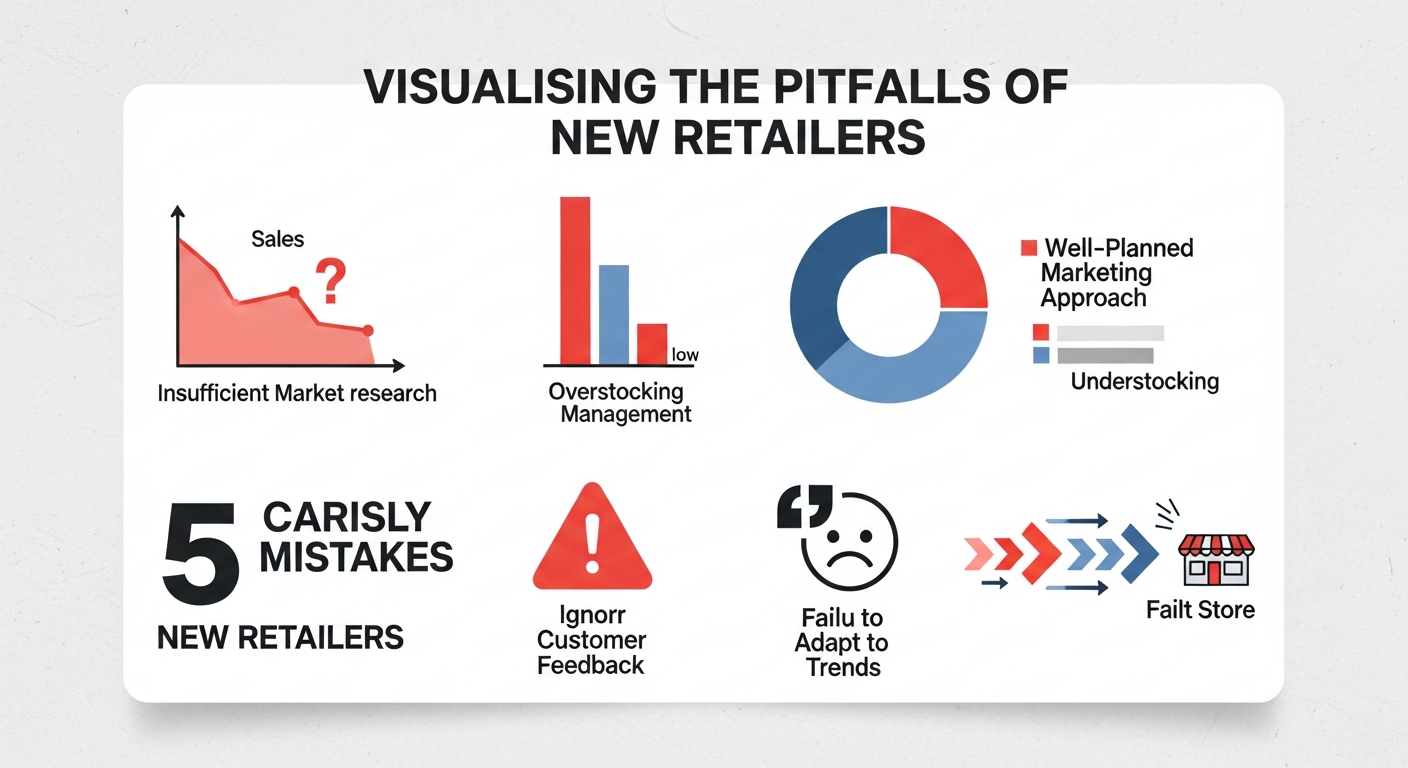
Launching a new retail business in the UK is an exciting venture, brimming with potential. However, the path to success is often fraught with common pitfalls that can quickly deplete resources and dampen enthusiasm. For wholesale B2B audiences, understanding these challenges is crucial, not only for their own operations but also for advising and supporting their retail partners. By proactively identifying and addressing these mistakes, new retailers can build a more resilient and profitable business from the outset.
In the competitive landscape of UK retail, informed decision-making is paramount. This post delves into five of the most common and costly mistakes that new retailers frequently make, offering practical advice on how to sidestep them and lay a solid foundation for long-term growth.
1. Inadequate Market Research and Niche Definition
One of the most fundamental errors a new retailer can make is failing to conduct thorough market research or, worse, ignoring its findings. Without a deep understanding of your target audience, competitors, and the broader market trends, you’re essentially operating blind. This often leads to a product offering that doesn't resonate with consumers or a business model that is unsustainable.

The Dangers of Poor Market Research
- Misjudging Demand: Stocking products that your target audience doesn't want or need, leading to dead stock and wasted capital.
- Underestimating Competition: Entering a saturated market without a clear unique selling proposition (USP), making it difficult to gain traction.
- Incorrect Pricing Strategies: Setting prices too high, driving customers away, or too low, eroding profit margins.
- Failing to Identify a Niche: Trying to be everything to everyone, resulting in a diluted brand identity and inability to stand out.
How to Avoid This Mistake
Define Your Target Audience: Who are you selling to? What are their demographics, psychographics, buying habits, and pain points? Create detailed buyer personas.

Analyse the Competition: What are your direct and indirect competitors doing well? Where are their weaknesses? How can you differentiate your offering?
Identify Your Niche: Instead of broad categories, focus on a specific segment. For example, rather than just "home goods," consider "eco-friendly household essentials for small urban flats." A well-defined niche allows for targeted marketing and a more compelling value proposition.
Validate Your Product Ideas: Before investing heavily, test your product ideas with potential customers through surveys, focus groups, or small-scale pilot sales. This feedback is invaluable for refining your offering.
2. Poor Inventory Management
Inventory is often the largest asset for a retailer, but if managed poorly, it can quickly become its biggest liability. New retailers frequently struggle with balancing stock levels, leading to either overstocking or understocking, both of which are detrimental to profitability and customer satisfaction.
The High Cost of Inventory Mismanagement
- Overstocking: Ties up capital, incurs storage costs, increases the risk of obsolescence, damage, or theft, and often necessitates heavy discounting to clear, eroding margins. Imagine having too many toys & games that didn't sell after Christmas – that's capital sitting idle.
- Understocking (Stockouts): Leads to lost sales, frustrated customers who may turn to competitors, and damaged brand reputation. If a popular item is consistently unavailable, customers will simply shop elsewhere.
- Inefficient Operations: Poor organisation of stock can lead to wasted time searching for items, slower order fulfilment, and increased labour costs.
Strategies for Effective Inventory Control
- Implement an Inventory Management System: Even a simple spreadsheet can be a start, but as you grow, consider dedicated software to track stock levels, sales data, and reorder points in real-time.
- Forecast Demand Accurately: Use historical sales data, seasonal trends (e.g., increased demand for seasonal items), and market insights to predict future demand. Be prepared to adjust forecasts based on new information.
- Establish Reorder Points and Quantities: Determine when to reorder and how much to order to maintain optimal stock levels without tying up excessive capital. Consider lead times from your wholesale suppliers.
- Conduct Regular Stock Audits: Periodically verify physical stock against your records to identify discrepancies and prevent shrinkage.
- Categorise Your Inventory: Use methods like ABC analysis to prioritise management efforts for high-value or fast-moving items.
3. Neglecting Cash Flow Management
Many new businesses fail not because they aren't profitable on paper, but because they run out of cash. Neglecting cash flow management is a critical error that can quickly lead to insolvency, even if sales are strong. It's the lifeblood of any retail operation.
The Perils of Poor Cash Flow
- Inability to Pay Suppliers: Damaging relationships and potentially losing access to vital stock.
- Missing Operational Expenses: Struggling to cover rent, utilities, wages, or marketing costs.
- Stifled Growth: Lacking the funds to invest in new inventory, marketing campaigns, or essential equipment.
- Reliance on High-Interest Loans: Being forced to take out expensive credit to bridge gaps, further eroding profitability.
Mastering Your Cash Flow
Create a Detailed Cash Flow Forecast: Project your expected income and expenses for the next 6-12 months. This helps identify potential shortfalls before they occur.
Monitor Accounts Receivable and Payable: Keep a close eye on money owed to you and money you owe. Negotiate favourable payment terms with suppliers and customers where possible.
Manage Expenses Rigorously: Regularly review all operational costs. Look for areas to optimise spending without compromising quality or service. For example, buying cleaning supplies in bulk from a wholesaler can reduce recurring costs.
Build a Cash Reserve: Aim to have at least 3-6 months of operating expenses saved to act as a buffer against unexpected downturns or opportunities.
Understand Your Break-Even Point: Know exactly how much you need to sell to cover all your costs. This provides a clear target for sales efforts.
4. Underestimating Marketing and Brand Building
In today's crowded marketplace, simply opening your doors is not enough. New retailers often underestimate the time, effort, and budget required to effectively market their business and build a recognizable brand. This oversight can lead to a lack of visibility, slow customer acquisition, and ultimately, a struggling business.
The Impact of Insufficient Marketing
- Low Brand Awareness: Customers don't know you exist, or what you offer, leading to poor footfall or website traffic.
- Weak Customer Base: Difficulty attracting and retaining customers, impacting sales volume and loyalty.
- Poor Differentiation: Blending into the background when compared to more visible competitors.
- Stagnant Growth: Without effective promotion, scaling the business becomes an uphill battle.
Building a Strong Retail Brand
- Develop a Clear Brand Identity: What is your brand's story, values, and personality? This should be reflected in your logo, website, store design, and communication style.
- Invest in a Multi-Channel Marketing Strategy: Don't put all your eggs in one basket. Consider a mix of digital marketing (SEO, social media, email marketing, paid ads) and traditional methods (local advertising, PR, in-store events).
- Leverage Social Media: Engage with your audience, showcase your products, and tell your brand story on platforms relevant to your target demographic.
- Focus on Customer Experience: Word-of-mouth is powerful. Provide exceptional service to turn customers into brand advocates. A positive experience with your health & beauty products, for instance, can lead to glowing reviews and repeat business.
- Analyse and Adapt: Continuously monitor the performance of your marketing efforts. What's working? What isn't? Be prepared to pivot your strategies based on data.
5. Neglecting Customer Service and Experience
In an era where consumers have endless choices, exceptional customer service and a positive overall experience are no longer luxuries; they are necessities. New retailers sometimes focus so heavily on product and price that they overlook the critical role that service plays in customer retention and brand loyalty.
The Repercussions of Poor Customer Experience
- High Customer Churn: Unhappy customers are quick to leave and unlikely to return.
- Negative Word-of-Mouth: Dissatisfied customers are more likely to share their negative experiences, damaging your reputation.
- Reduced Lifetime Value: Losing repeat business significantly impacts long-term profitability.
- Difficulty Differentiating: Competitors can easily replicate products or prices, but exceptional service is harder to mimic.
Prioritising Your Customers
- Train Your Staff Thoroughly: Ensure all employees are knowledgeable about your products, policies, and are equipped with the skills to handle customer enquiries and complaints professionally and empathetically.
- Create a Seamless Shopping Journey: Whether online or in-store, make the purchasing process easy, intuitive, and enjoyable.
- Be Responsive and Accessible: Provide multiple channels for customer support (phone, email, social media, live chat) and respond promptly to enquiries.
- Handle Complaints Gracefully: View complaints as opportunities to learn and improve. Resolve issues quickly and fairly, turning a negative experience into a positive one.
- Solicit and Act on Feedback: Actively ask for customer feedback through surveys, reviews, or direct conversations. Use this insight to continuously improve your offerings and service.
Conclusion: Building a Resilient Retail Business
The journey of a new retailer is undoubtedly challenging, but by being aware of and actively avoiding these five common and costly mistakes, you can significantly increase your chances of success. Thorough market research, meticulous inventory control, diligent cash flow management, strategic marketing, and an unwavering commitment to customer service are not just best practices – they are the pillars upon which a thriving retail business is built.
For wholesale partners, understanding these challenges faced by new retailers allows for better support and collaboration, fostering stronger, more enduring B2B relationships. By helping your retail clients navigate these pitfalls, you contribute to their success, which in turn benefits your own.
Equip yourself with the knowledge and resources to make informed decisions. Explore a vast range of wholesale products and essential retail supplies to support your business journey at Rysons.com.