

Maximising eBay & Amazon Profit: UK Seller Costs
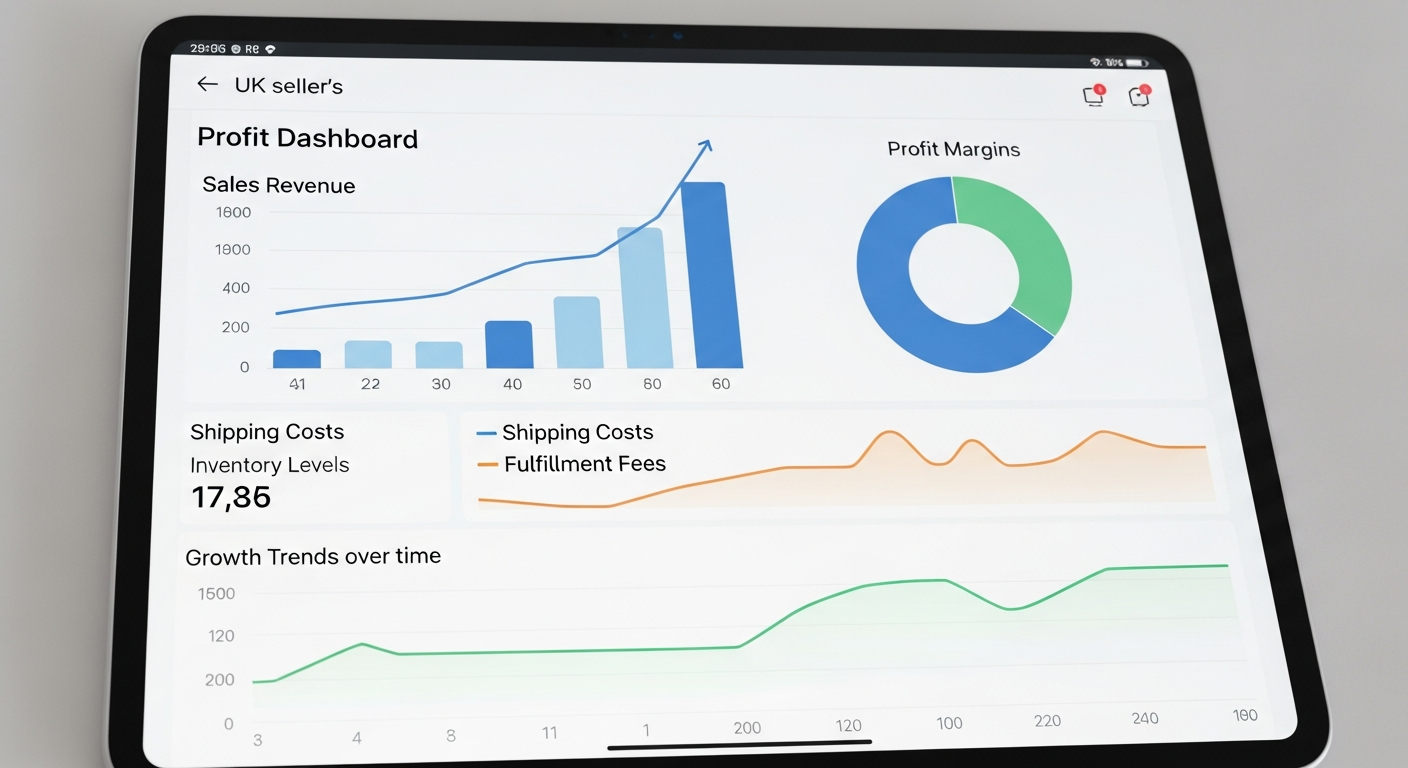
For UK wholesale B2B retailers, the allure of platforms like eBay and Amazon is undeniable. They offer unparalleled reach, connecting your products with millions of potential customers without the upfront investment of building a bespoke e-commerce site from scratch. However, beneath the surface of seemingly straightforward sales lies a complex web of costs that can significantly erode your profit margins if not meticulously managed. This guide aims to demystify these expenses, offering crucial retail insights to help UK sellers optimise their profitability on these dominant marketplaces.
Understanding the Core Platform Fees
The first step to safeguarding your profits is a thorough understanding of the fees charged by eBay and Amazon. These are not static figures; they vary by category, selling model, and even promotional choices.
eBay Fees for UK Sellers
- Insertion Fees: While private sellers often get a number of free listings, business sellers typically incur a small fee per listing, especially for additional listings beyond their allowance or in certain categories.
- Final Value Fees (FVF): This is the most significant fee, calculated as a percentage of the total sale price (item price + postage). Percentages vary widely by category, typically ranging from 8% to 12%, with caps on certain high-value items. It's crucial to know the exact percentage for your specific product lines, whether you're selling home & garden essentials or niche toys & games.
- Shop Subscription Fees: If you operate an eBay Shop, you pay a monthly subscription fee. While this offers benefits like lower insertion fees and branded shopfronts, it's an overhead that must be justified by sales volume.
- Promoted Listings: An optional, but often necessary, cost. This allows you to boost your visibility in search results. The fee is a percentage of the item's final sale price, only payable if a buyer clicks your promoted listing and purchases the item within 30 days.
- Payment Processing Fees: eBay now primarily uses Managed Payments, where fees are integrated into the FVF. Historically, PayPal fees were a separate consideration. Ensure you understand the current structure.
Amazon Fees for UK Sellers
- Referral Fees: Similar to eBay's FVF, Amazon charges a percentage of the total sale price, varying by product category. These typically range from 7% to 15%, but can be higher or lower for specific items. For instance, selling health & beauty products might have a different rate than electronics.
- Individual vs. Professional Selling Plans: The Individual plan charges a £0.75 fee per item sold (plus referral fees), while the Professional plan has a monthly subscription fee of £25 (excluding VAT) but no per-item fee. For wholesale B2B retailers, the Professional plan is almost always the more cost-effective choice.
- Fulfilment by Amazon (FBA) Fees: If you use FBA, these are substantial. They include:
- Fulfilment Fees: Based on the product's size and weight, covering picking, packing, and shipping. These are critical to factor in, especially for bulkier items or those requiring special handling.
- Monthly Storage Fees: Charged per cubic foot, these vary by time of year (higher during peak holiday seasons) and product type. Long-term storage fees apply to inventory stored for extended periods, penalising slow-moving stock.
- Removal Order Fees: If you need Amazon to return or dispose of inventory.
- Returns Processing Fees: For products returned by customers where Amazon handles the return.
- Fulfilment by Merchant (FBM) Costs: If you handle shipping yourself, you avoid FBA fees but incur your own packaging, shipping, and labour costs, which must be accurately accounted for.
- Advertising Costs: Amazon offers various advertising options (Sponsored Products, Sponsored Brands, Display Ads) that can significantly increase visibility but come with a direct cost-per-click (CPC) or cost-per-impression (CPM) model.
Operational Overheads and Hidden Expenses
Beyond the direct platform fees, a myriad of operational costs can eat into your gross profit. These are often overlooked or underestimated, yet they are critical to a true profit calculation.

Logistics and Inventory Management
- Product Sourcing Costs: The initial wholesale price you pay for your inventory is fundamental. Partnering with reliable wholesale suppliers for diverse stock like seasonal items or everyday cleaning supplies can significantly impact your per-unit cost.
- Warehousing and Storage: Even if you're operating from a home office, there's an implicit cost for the space used. For larger operations, dedicated warehouse space, shelving, and equipment add up.
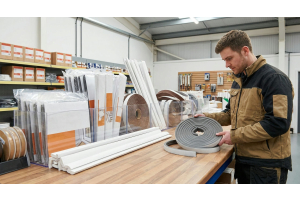
- Packaging Materials: Boxes, poly mailers, bubble wrap, tape, labels – these are recurring costs for every shipment. Consider bulk buying to reduce unit costs.
- Shipping Costs: Negotiating favourable rates with couriers is paramount. The cost of shipping directly impacts your competitiveness and profit, especially with free shipping offerings.
- Inventory Shrinkage: Losses due to damage, theft, or obsolescence.
Labour and Administration
- Listing Creation & Optimisation: Time spent researching keywords, writing compelling descriptions, and taking high-quality photos is a labour cost, whether internal or outsourced.
- Order Processing & Fulfilment (FBM): Picking, packing, and dispatching orders requires staff time.
- Customer Service: Handling enquiries, resolving issues, and managing returns consumes valuable resources. Excellent customer service reduces negative feedback and returns, but it's not free.
- Returns & Refunds: Beyond the potential loss of sale, processing returns involves labour, return shipping costs, and potential repacking/restocking.
- Accounting & Bookkeeping: Tracking sales, expenses, VAT, and managing payroll requires time or professional services.
Technology and Marketing
- Software Subscriptions: Listing tools, inventory management systems, repricing software, accounting platforms, email marketing services – these all contribute to monthly overheads.
- Photography & Graphic Design: High-quality visuals are essential for standing out.
- External Marketing: While platform advertising is direct, any external marketing (social media ads, Google Ads driving traffic to your listings) adds to your customer acquisition cost.
Taxes and Compliance
- VAT: Understanding your VAT obligations and how to correctly account for it on sales and purchases is critical for UK sellers. Mismanagement here can lead to significant financial penalties.
- Income Tax/Corporation Tax: Your net profit will be subject to relevant business taxes.
- Product Compliance: Ensuring your products meet UK safety standards and regulations (e.g., CE marking) can involve testing or certification costs, particularly for new product lines.
Strategies for Optimising Profitability
Identifying costs is only half the battle; the other half is actively managing and optimising them to maximise your net profit.
1. Strategic Sourcing and Inventory Management
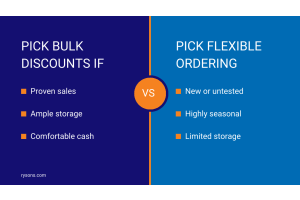
- Wholesale Power: Source products from reputable wholesale suppliers at the best possible prices. Bulk buying often unlocks better margins. Consolidating orders from fewer suppliers can also reduce shipping costs.
- Demand Forecasting: Use sales data to accurately predict demand, preventing overstocking (which incurs higher storage fees and potential obsolescence) and understocking (missing out on sales).
- Inventory Turnover: Focus on products with a healthy turnover rate. Slow-moving stock ties up capital and incurs long-term storage fees, especially with FBA.
2. Smart Pricing and Fee Analysis
- Detailed Costing: Before listing any product, calculate all associated fees (platform, payment, shipping, packaging, sourcing, labour) to determine your true break-even point and minimum acceptable profit margin.
- Dynamic Pricing: Utilise repricing tools or manual adjustments to stay competitive while protecting your margins. Be aware of competitor pricing but don't race to the bottom unless it's a strategic decision.
- Bundling: Combine complementary products to increase average order value and potentially reduce per-item fees or shipping costs.
- Fee Monitoring: Regularly review your platform statements for any discrepancies or unexpected charges.
3. Efficient Logistics and Fulfilment
- Shipping Optimisation: For FBM, negotiate rates with multiple couriers. Consider hybrid models, using FBA for fast-moving, smaller items and FBM for bulky or custom orders.
- Packaging Efficiency: Standardise packaging where possible, use lightweight yet protective materials, and buy in bulk.
- Returns Minimisation: Clear product descriptions, accurate images, and proactive customer service can reduce the incidence of returns.
4. Customer Experience and Reputation
- Proactive Communication: Keep buyers informed about their orders.
- Rapid Issue Resolution: Address problems quickly and professionally to prevent negative feedback, which can impact your seller rating and future sales.
- Feedback Management: Encourage positive reviews, as these are vital for visibility and trust on both platforms.
The Wholesale Advantage for UK Retailers
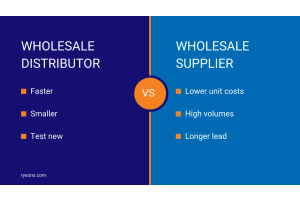
For UK wholesale B2B retailers, the foundation of a profitable online presence on eBay and Amazon begins with smart sourcing. By purchasing products from a reliable wholesale supplier, you immediately gain a significant advantage:

- Lower Unit Costs: Wholesale pricing dramatically reduces your per-item acquisition cost, widening the gap between your cost and potential selling price, thus boosting your profit margins.
- Bulk Availability: Ensures you have consistent stock levels to meet demand, preventing stock-outs that can damage your seller metrics and sales velocity.
- Diverse Product Range: Access to a wide variety of products, from everyday essentials to niche items, allows you to cater to different market segments and seasonal trends.
- Reduced Sourcing Time: Streamlined purchasing from a single or a few trusted wholesale partners frees up valuable time that can be reinvested into optimising your listings, marketing, or customer service.
Whether you're looking for high-demand pet products, practical electrical goods, or cost-effective pound lines to offer competitive pricing, a strong wholesale partnership is indispensable. It’s the bedrock upon which successful online retail businesses are built.
Conclusion
Achieving sustainable profitability on eBay and Amazon as a UK wholesale B2B retailer requires more than just listing products and hoping for sales. It demands a meticulous, ongoing analysis of all costs – direct platform fees, operational overheads, and hidden expenses. By understanding where your money is going and implementing strategic optimisations in sourcing, pricing, logistics, and customer service, you can transform these powerful marketplaces into highly profitable channels for your business.
Ready to optimise your product sourcing and boost your profit margins? Explore a vast range of quality wholesale products designed for UK retailers. Visit Rysons.com today and discover how competitive pricing and reliable supply can empower your online business.