

Mastering Dead Stock: Strategies for UK Wholesalers

In the fast-paced world of wholesale distribution, managing inventory efficiently is paramount to success. However, even the most meticulous planning can't always prevent the accumulation of dead stock – those elusive items gathering dust in your warehouse, refusing to move. For UK B2B wholesalers, dead stock isn't just an inconvenience; it's a significant drain on resources, tying up capital and space that could be better utilised.
This blog post will delve into the challenges posed by dead stock, explore its common causes, and, most importantly, provide actionable strategies for both preventing its build-up and effectively clearing existing slow-moving inventory to optimise your operations and boost profitability.
What is Dead Stock?
Simply put, dead stock refers to inventory that has remained unsold for an extended period, typically beyond its expected sales cycle. It's merchandise that has lost its appeal, become obsolete, or is no longer in demand. Unlike slow-moving stock, which might eventually sell, dead stock often has little to no prospect of being sold at its original price, or even at a discounted rate, without significant intervention.

The Real Cost of Dead Stock
Many wholesalers underestimate the true financial burden of dead stock. It's far more than just the cost of the goods themselves. Consider the following:
- Tied-up Capital: Every pound invested in dead stock is a pound that cannot be used to purchase new, in-demand products, invest in marketing, or improve other areas of your business.
- Storage Costs: Warehouse space isn't free. Dead stock occupies valuable real estate, incurring ongoing costs for rent, utilities, insurance, and handling, effectively paying to store products that aren't generating revenue.
- Obsolescence Risk: The longer stock sits, the higher the risk of it becoming completely obsolete, damaged, or out of fashion, further diminishing its value.
- Administrative Burden: Managing and tracking dead stock requires staff time and resources, diverting attention from productive tasks.
- Reduced Cash Flow: Poor inventory turnover directly impacts your cash flow, limiting your ability to react to market changes or seize new opportunities.
Common Causes of Dead Stock
Understanding why dead stock accumulates is the first step towards preventing it. Several factors contribute to this issue:

- Inaccurate Forecasting: Over-ordering due to overly optimistic sales predictions or a lack of robust data analysis is a primary culprit.
- Seasonal or Trend-Based Products: Items like certain seasonal items or products tied to fleeting trends can quickly become dead stock if not sold within their window. For example, specific toys from a popular film that has passed its peak.
- Poor Product Quality or Defects: If products arrive damaged or are inherently faulty, they become unsellable.
- Changes in Market Demand: A sudden shift in consumer preferences, the emergence of new technologies, or economic downturns can render once-popular items undesirable.
- Ineffective Marketing or Sales Strategies: Even good products can become dead stock if they aren't promoted effectively or if your sales team struggles to move them.
- Supplier Issues: Minimum order quantities (MOQs) from suppliers can sometimes force wholesalers to buy more than they can realistically sell.
Proactive Strategies for Prevention
Prevention is always better than cure. Implementing robust inventory management practices can significantly minimise the risk of dead stock.
1. Enhance Forecasting Accuracy
- Utilise Data Analytics: Invest in software that can analyse historical sales data, market trends, and even external factors to provide more precise demand forecasts.
- Collaborate with Customers: Engage with your B2B clients to understand their upcoming needs and potential order volumes.
- Monitor Market Trends: Stay abreast of industry news, consumer behaviour shifts, and competitor activities.
2. Optimise Ordering and Procurement
- Implement Just-In-Time (JIT) Principles: Where feasible, aim to receive goods only as they are needed, reducing the amount of stock held at any one time.
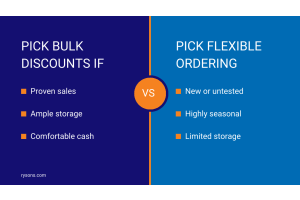
- Negotiate Flexible MOQs: Work with suppliers to negotiate lower minimum order quantities or staggered delivery schedules.
- Diversify Supplier Base: Relying on a single supplier can limit your flexibility. Having alternative options can help manage stock levels more effectively.
3. Regular Inventory Reviews
- Set Clear Review Schedules: Conduct weekly, monthly, or quarterly reviews of your inventory. Identify slow-moving items early before they become dead stock.
- Categorise Stock: Use ABC analysis (A-high value, B-medium, C-low) to prioritise your inventory management efforts.
- Track Key Metrics: Monitor metrics like inventory turnover rate, sales velocity, and gross margin return on investment (GMROI).
Strategies for Clearing Existing Dead Stock
Even with the best preventative measures, some dead stock is inevitable. The key is to act swiftly and decisively to recover as much value as possible.
1. Aggressive Discounting and Clearance Sales
This is often the first port of call. Be prepared to take a hit on margins to free up capital and space. Consider:
- Flash Sales: Short, high-impact sales periods to create urgency.
- "Buy One Get One Free" (BOGOF) or Multi-Buy Offers: Pair dead stock with popular items.
- Tiered Discounts: Offer greater discounts for larger quantities, appealing to B2B clients who might buy in bulk.
- Dedicated Clearance Section: Create a specific section on your website or in your catalogue for clearance items, making it easy for customers to find bargains. This can be particularly effective for items like excess household goods or older lines of health & beauty products.
2. Bundling and Kitting
Combine dead stock with faster-moving or complementary products to increase its perceived value and encourage sales. For instance:
- Bundle a slow-selling kitchen gadget with a popular kitchen utensil set.
- Pair an outdated electronic accessory with a new, in-demand device.
3. Repurposing or Rebranding
Can the product be modified or repackaged to appeal to a different market or purpose? This might involve minor alterations, new branding, or even breaking down larger packs into smaller, more manageable units. This is particularly relevant for generic items or components.
4. Selling to Liquidators or Specialist Resellers
While this often means selling at a significant loss, it can be an effective way to offload large volumes of dead stock quickly and recover some capital. These specialists have channels for selling distressed merchandise that you might not. Look for reputable UK-based liquidators.
5. Donation or Recycling
If all else fails, consider donating unsellable items to charities or non-profit organisations. While you won't recover costs, it can offer tax benefits (consult your accountant) and enhance your company's corporate social responsibility (CSR) image. For items that cannot be donated, explore environmentally responsible recycling options to dispose of them sustainably.
6. Staff Incentives and Training
Empower your sales team to actively push dead stock. Offer commission bonuses or other incentives for selling these items. Provide them with detailed information about the products and potential selling points, even if they are older lines. Sometimes, a focused sales effort can make a surprising difference.
Long-Term Inventory Health
Beyond immediate solutions, fostering a culture of continuous improvement in inventory management is crucial. Regularly analyse the performance of your strategies, learn from past mistakes, and adapt your approach. The goal is not just to clear dead stock but to build a resilient inventory system that minimises its occurrence in the first place.
Embrace technology, empower your team with data, and maintain open communication channels with both your suppliers and customers. This holistic approach will ensure your wholesale business remains agile, profitable, and well-positioned for future growth in the competitive UK market.
Don't let dead stock stifle your business growth. Take proactive steps and employ smart strategies to keep your inventory moving and your cash flow healthy. For a wide range of fast-moving products and competitive wholesale pricing, explore the extensive selection available at Rysons.com.