

Navigating Inflation: Boosting Retail Sales with Value Products
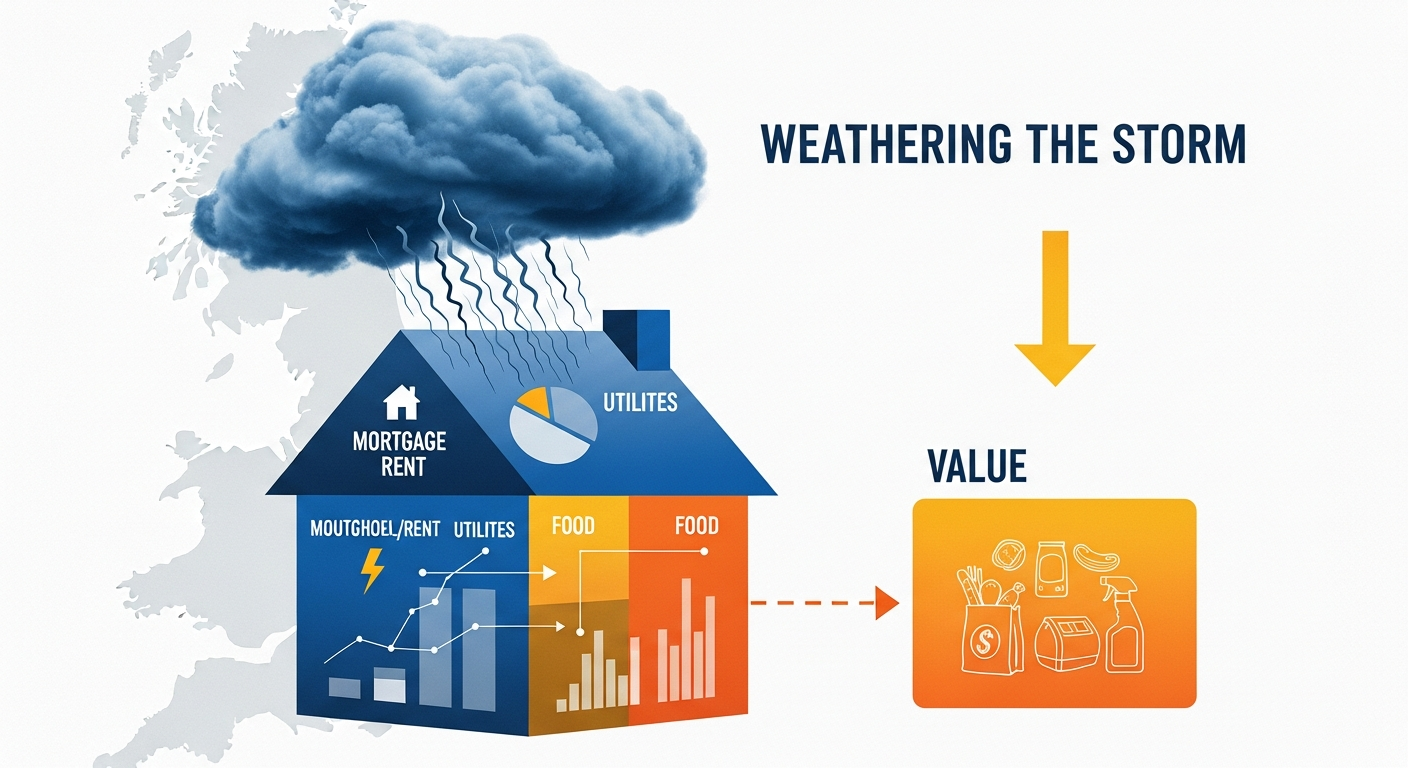
The economic landscape in the UK has undergone significant shifts in recent years, with inflation becoming a persistent challenge for both consumers and businesses. For wholesale B2B suppliers and the retailers they serve, understanding and adapting to these changes isn’t just about survival; it’s about identifying new opportunities for growth. In an environment where every penny counts, the focus has unequivocally shifted towards value. This post will delve into how UK retailers can not only weather the inflationary storm but actually win sales by strategically embracing value products.
Understanding the Inflationary Impact on UK Consumers
Inflation erodes purchasing power, forcing consumers to make tougher choices about where their money goes. Discretionary spending often takes a hit first, but even essential purchases are scrutinised more closely. Consumers are no longer simply looking for the cheapest option; they are seeking the best value for money. This means products that offer durability, multi-functionality, or a lower price point for comparable quality become highly attractive. Retailers who recognise this shift and adjust their inventory accordingly will be best placed to capture market share.
The psychological impact is also profound. Shoppers are more cautious, more research-driven, and often more loyal to brands and retailers that consistently deliver on their promise of value. Building trust through transparent pricing and reliable product quality is paramount.

The Shifting Definition of "Value"
In a high-inflation environment, "value" isn't merely synonymous with "cheap." While price remains a critical factor, consumers are increasingly looking at the total cost of ownership and the utility a product provides. A cheap item that breaks quickly or doesn't perform its intended function well offers poor value. Conversely, a slightly more expensive item that lasts longer, performs better, or serves multiple purposes is perceived as high value.
- Durability: Products that stand the test of time reduce the frequency of replacement, saving money in the long run.
- Utility: Items that solve multiple problems or are essential for daily living become priorities.
- Efficiency: Products that help save on other costs, such as energy-efficient appliances or cleaning concentrates, are highly valued.
- Perceived Benefit vs. Cost: The emotional and practical benefits must outweigh the monetary outlay.
Why Value Products Are Critical for UK Retailers Now
For UK retailers, integrating a strong value product strategy offers several compelling advantages:

- Retain Existing Customers: Loyal customers are more likely to stick with retailers who demonstrate an understanding of their financial pressures by offering good value.
- Attract New, Budget-Conscious Shoppers: As consumers actively seek better deals, retailers known for value will naturally draw new clientele.
- Maintain or Improve Profit Margins: By sourcing efficiently and focusing on high-volume, lower-margin items that sell quickly, retailers can maintain healthy overall profit margins.
- Increase Basket Size: Affordable, essential value items can encourage customers to add more to their basket, offsetting potential reductions in higher-priced discretionary purchases.
- Build Brand Loyalty and Trust: Consistently delivering value fosters a reputation for reliability and customer-centricity, which pays dividends in the long term.
Strategic Sourcing: The Foundation of Value
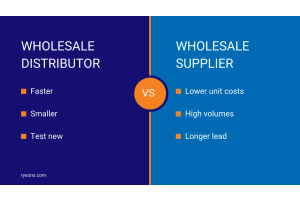
The ability to offer compelling value products starts with smart sourcing. For UK retailers, this means partnering with wholesale B2B suppliers who understand the market dynamics and can provide quality goods at competitive prices. A reliable wholesaler can be the cornerstone of a successful value strategy, ensuring a steady supply of in-demand items without compromising on quality or inflating costs.
Consider the importance of diversified stock. While premium items still have their place, a significant portion of your inventory should be dedicated to everyday essentials that offer clear value. This includes everything from household essentials like cleaning supplies and kitchenware, to personal care items. Sourcing these effectively means greater purchasing power and better prices for your customers.
Optimising Your Product Range for Value
Retailers should conduct a thorough review of their current product offerings. Identify categories where consumers are most likely to seek value and ensure your stock reflects this demand. Think about products that cater to daily needs, offer practical solutions, or provide affordable entertainment.
- Everyday Essentials: Focus on high-turnover items. For example, in the health & beauty products category, consider stocking a wider range of affordable toiletries, basic skincare, and haircare items that consumers use regularly.
- Problem Solvers: Products that address common household issues or simplify tasks are always in demand.
- Affordable Alternatives: Can you offer a store-brand or a lesser-known but quality alternative to a more expensive branded item?
- Seasonal and Promotional Items: Leverage seasonal items and promotions to drive traffic and create a sense of urgency around value offers.
Merchandising and Communication: Highlighting Value Effectively
Simply stocking value products isn't enough; retailers must effectively communicate that value to their customers. Merchandising plays a crucial role here.
In-Store Strategies:
- Clear Signage: Use bold, clear signage to highlight special offers, multi-buy deals, and price comparisons.
- Dedicated "Value Zone": Create a specific area in your store or online where customers can easily find budget-friendly options, such as pound lines. This makes shopping for value more efficient and appealing.
- Bundling: Offer complementary products together at a slightly reduced price compared to buying them individually. For instance, a cleaning kit or a DIY starter pack.
- Cross-Merchandising: Place value items alongside related, higher-priced goods to offer customers a choice. If someone is looking at an expensive kitchen gadget, ensure a more affordable, functional alternative is nearby.
Online Strategies:
- "Value Buys" or "Budget Friendly" Categories: Make it easy for online shoppers to filter and find value products.
- Product Descriptions: Emphasise durability, utility, and the long-term savings of value items. Highlight key features that justify the price point.
- Customer Reviews: Encourage reviews, especially for value products, as social proof can significantly influence purchasing decisions.
- Email Marketing & Social Media: Promote weekly deals, "top 10 value items," and demonstrate how products can save customers money or time.
Case Studies in Value: Learning from Success
Look at retailers like Aldi and Lidl, who have mastered the art of value proposition. Their success isn't just about low prices; it's about delivering consistent quality at those low prices. They streamline supply chains, minimise overheads, and focus on a curated selection of high-turnover items. While not every retailer can replicate their model entirely, the principles are transferable:
- Efficiency: Reduce waste and optimise operations.
- Focused Assortment: Don't try to be everything to everyone; excel in chosen categories.
- Private Label Brands: Develop your own value brands where feasible, offering better margins and exclusive appeal.
Even in categories like DIY tools, the market has seen a surge in demand for reliable, affordable options. Homeowners are increasingly opting for smaller repairs and improvements themselves rather than hiring professionals, driving up demand for accessible, good-quality tools. Similarly, the demand for affordable stationery and books remains strong, catering to both educational needs and entertainment on a budget.
Building Long-Term Resilience Through Value
Focusing on value products during inflationary periods is not just a short-term tactic; it’s a strategy for long-term resilience. By consistently providing customers with products that meet their needs without breaking the bank, retailers build trust and foster loyalty that extends beyond the current economic climate. When inflation eventually stabilises, these customers will remember who supported them during challenging times.
Furthermore, a lean, efficient supply chain built around value items often makes a business more agile and less susceptible to future economic shocks. It forces a disciplined approach to inventory management, pricing, and supplier relationships.
The UK retail sector is dynamic and challenging, but opportunities abound for those willing to adapt. By placing value at the core of your retail strategy, from sourcing to merchandising, you can turn economic headwinds into tailwinds, driving sales and securing a loyal customer base for years to come.
Partnering for Success: Your Wholesale Advantage
As a UK retailer, your choice of wholesale B2B partner is paramount in executing a successful value strategy. Look for suppliers who offer a wide range of quality products across various categories, understand the UK market, and provide competitive wholesale pricing. A strong partnership ensures you have access to the stock your customers need, when they need it, at prices that allow you to remain competitive and profitable.
Embrace this period of economic change as an opportunity to refine your offerings and solidify your position as a go-to destination for value. Your customers are actively seeking solutions, and by providing them, you are not just making a sale; you are building a relationship.
Ready to enhance your value product offerings and boost your retail sales? Explore a vast selection of quality wholesale products designed for the UK market. Visit Rysons.com today and discover how we can support your business in these changing times.