

Sourcing Quality UK Wholesale Stock for Resale Success

In the dynamic landscape of UK retail, the bedrock of any successful B2B operation is its ability to consistently source high-quality, in-demand wholesale stock. For retailers, finding the right products at the right price, from reliable suppliers, is not just a strategic advantage – it"s a fundamental necessity for growth and profitability. This comprehensive guide offers practical insights for UK retailers navigating the wholesale market, aiming to optimise their sourcing strategies and elevate their business.
Understanding Your Retail Niche and Market Demand
Before embarking on your wholesale sourcing journey, a deep understanding of your specific retail niche and target customer is paramount. What products are currently trending? What gaps exist in the market that your business can fill? Conducting thorough market research will illuminate consumer preferences, seasonal demands, and potential best-sellers, guiding your procurement decisions.
Market Research and Trend Analysis
- Analyse Sales Data: Review your past sales to identify consistent performers and emerging interests.
- Monitor Competitors: Observe what successful competitors are stocking and how they are pricing their goods.
- Engage with Customers: Utilise feedback, surveys, and social media to understand desires and pain points.
- Stay Updated on Industry News: Follow retail trade publications and reports for broader market trends.
This foundational work ensures that the wholesale stock you acquire is not just available, but genuinely desired by your customer base, leading to faster turnover and greater profit margins.

Key Channels for Sourcing UK Wholesale Stock
The UK wholesale market offers a diverse array of sourcing avenues. Each channel presents unique benefits and considerations for retailers.
1. Online Wholesale Marketplaces & Directories
Digital platforms have revolutionised wholesale sourcing, offering unparalleled convenience and access to a vast network of suppliers. Websites dedicated to B2B wholesale connect retailers with thousands of UK-based distributors and manufacturers across numerous categories. These platforms often feature detailed product listings, pricing tiers, and supplier reviews, streamlining the discovery process.

- Benefits: Wide selection, easy comparison, often lower MOQs (Minimum Order Quantities), 24/7 access.
- Considerations: Verify supplier legitimacy, understand shipping costs and lead times.
When exploring online options, consider generalist platforms that cater to a broad range of products, from home & garden essentials to diverse seasonal stock. Many offer categories, allowing you to diversify your stock efficiently.
2. Direct from Manufacturers and Brand Distributors
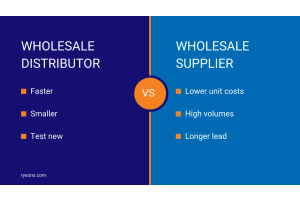
For established retailers or those seeking exclusive lines, purchasing directly from manufacturers or their authorised distributors can be highly advantageous. This approach often provides better pricing, access to the newest products first, and the opportunity to build strong, direct relationships.
- Benefits: Best pricing, direct support, authenticity guarantee, potential for exclusive products.
- Considerations: Higher MOQs are common, may require stronger credit terms.
This channel is particularly effective for specialised retailers or those focusing on specific brands. For items like toys & games, direct sourcing can ensure you receive genuine, high-quality products directly from the brand owners or their primary distributors.
3. Trade Shows and Exhibitions
Despite the rise of digital, trade shows remain invaluable for discovering new products, networking with suppliers, and experiencing stock first-hand. Events like Spring Fair, Autumn Fair, and various industry-specific shows bring together hundreds of wholesalers under one roof, providing a unique opportunity to compare offerings, negotiate deals, and forge personal connections.
- Benefits: Physical product inspection, direct negotiation, networking opportunities, market insights.
- Considerations: Time and travel investment, can be overwhelming.
Attending trade shows allows you to touch, feel, and assess the quality of items like health & beauty products before committing to a purchase, which is crucial for maintaining your retail brand"s reputation for quality.
4. Wholesale Cash & Carries
For immediate stock needs or smaller retailers, cash & carry warehouses offer a convenient solution. These outlets allow you to purchase goods on the spot, often without minimum order value, and take them away immediately. They are particularly useful for topping up popular lines or reacting quickly to unforeseen demand.
- Benefits: Instant stock, no MOQs (typically), ideal for small businesses or quick top-ups.
- Considerations: Limited range compared to online, may not offer the absolute lowest prices, requires physical visit.
5. Wholesale Clearance & Surplus Stock
Exploring clearance and surplus stock channels can uncover significant bargains. Wholesalers often clear end-of-line, seasonal overstock, or slightly damaged goods at heavily discounted prices. While requiring careful inspection, these opportunities can yield high-margin products for astute retailers.
- Benefits: Low cost per unit, potential for high profit margins, unique product offerings.
- Considerations: Stock can be inconsistent, may require careful quality checks, often sold "as seen."
Evaluating Potential Wholesale Suppliers
Once you"ve identified potential sourcing channels, the next critical step is to rigorously evaluate individual suppliers. A strong supplier relationship is built on trust, reliability, and mutual benefit.
1. Reliability and Reputation
A supplier"s track record is vital. Look for reviews, testimonials, and industry recognition. A reliable supplier consistently delivers on time and as promised, which is crucial for your own inventory management and customer satisfaction.
2. Pricing and Minimum Order Quantities (MOQs)
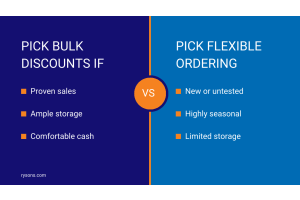
Compare pricing structures from multiple suppliers. Understand their MOQs – do they align with your business size and cash flow? Negotiate where possible, especially for larger orders or long-term commitments. Remember that the cheapest price isn"t always the best if it compromises quality or reliability.
3. Product Quality and Compliance
Never compromise on quality. Request samples if possible. Ensure products comply with all relevant UK safety standards and regulations. This is particularly important for items like electrical goods or baby products, where safety is paramount.
4. Customer Service and Support
Assess their responsiveness, communication clarity, and willingness to resolve issues. Good customer service from a wholesaler can save you significant time and stress down the line.
5. Logistics and Delivery
Understand their shipping policies, costs, and typical lead times. Can they accommodate your preferred delivery schedule? Consider their returns policy and how they handle damaged or incorrect orders.
Optimising Your Stock Management for Profitability
Sourcing is only half the battle; effective stock management is crucial for translating wholesale purchases into retail success.
1. Implement Robust Inventory Control
Use inventory management software to track stock levels, monitor sales velocity, and identify slow-moving items. This prevents overstocking, reduces holding costs, and minimises the risk of dead stock.
2. Plan for Seasonality and Trends
Anticipate seasonal demands and upcoming trends. For example, planning for seasonal items well in advance ensures you have stock ready when customer interest peaks, avoiding last-minute rushes and potential stockouts.
3. Diversify Your Product Range Strategically
While specialising has its merits, offering a complementary range of products can enhance customer value and increase average transaction value. For instance, a shop selling garden tools might also stock related outdoor accessories.
Building Strong, Long-Term Supplier Relationships
The most successful retailers often have robust, long-standing relationships with their wholesale suppliers. Treat your suppliers as partners. Clear communication, prompt payments, and constructive feedback foster trust and can lead to better terms, early access to new products, and preferential treatment during busy periods.
Conclusion
Finding quality UK wholesale stock for resale is a multifaceted process that demands diligent research, strategic evaluation, and proactive relationship building. By thoroughly understanding your market, exploring diverse sourcing channels, and carefully vetting potential partners, UK B2B retailers can secure a consistent supply of desirable products, ensuring sustained growth and profitability in an ever-evolving retail environment.
Ready to elevate your retail offering? Explore a vast selection of wholesale products designed for the UK market and streamline your sourcing process today. Visit Rysons.com to discover your next best-sellers.