

Reselling for UK Retailers: Profit on Marketplaces

In the dynamic landscape of UK retail, expanding your sales channels beyond traditional brick-and-mortar or a standalone e-commerce site is no longer an option, but a strategic imperative. For B2B businesses and independent retailers, leveraging online marketplaces like eBay and Amazon presents a powerful avenue to boost revenue, reach new customers, and significantly increase profit margins. This guide offers practical retail insights for UK businesses looking to master the art of reselling on these platforms, turning wholesale purchases into thriving online sales.
Understanding the Online Marketplace Landscape
The digital marketplace offers a vast ecosystem for retailers. Each platform has its unique audience, fee structure, and operational nuances. Understanding these differences is crucial for selecting where to focus your efforts.

eBay: The Auction House & Fixed Price Giant
eBay remains a cornerstone for many UK resellers, offering a diverse customer base and flexible listing options. It's particularly strong for unique items, collectibles, and products where a competitive auction can drive higher prices. For everyday wholesale goods, fixed-price listings often yield consistent sales.
- Pros: Large, active UK buyer base; flexible listing formats (auction/fixed price); lower barriers to entry for new sellers; good for a wide variety of product types.
- Cons: Can be highly competitive; buyer expectations for low prices; managing disputes can be time-consuming.
Amazon UK: The E-commerce Powerhouse
Amazon is synonymous with convenience and scale. Its 'Fulfilment by Amazon' (FBA) service is a game-changer for many, handling storage, packing, shipping, and customer service. This allows retailers to focus on sourcing and marketing, making it ideal for high-volume, fast-moving consumer goods.
- Pros: Massive customer reach; trusted brand; FBA simplifies logistics; potential for 'Buy Box' dominance.
- Cons: Higher fees; intense competition; strict seller policies; brand gating can restrict certain products.
Other Emerging & Niche Marketplaces
Don't overlook other platforms that might cater to specific niches or offer different advantages:

- Etsy: Ideal for handmade, vintage, or craft supplies. If your wholesale products can be bundled or presented with a creative twist, Etsy can be a goldmine.
- OnBuy: A growing UK-based marketplace that positions itself as a fairer alternative to Amazon, with lower fees and a focus on supporting sellers.
- Facebook Marketplace & Gumtree: More local and informal, these can be great for clearance items, bulkier goods, or testing market interest without high listing fees.
Sourcing for Success: The Wholesale Advantage
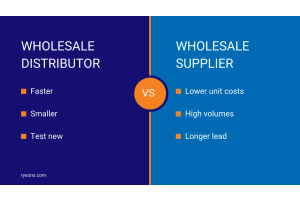
The foundation of profitable reselling lies in astute product sourcing. For UK retailers, partnering with reliable wholesale suppliers is paramount. Wholesale purchasing offers significant advantages over retail arbitrage, providing better margins, consistent stock, and often, higher quality products.
The Power of Bulk Buying
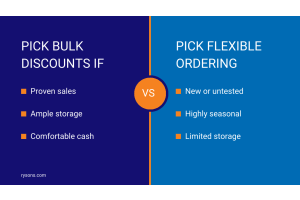
Buying in bulk from a reputable UK wholesaler ensures you get the best possible unit price, directly impacting your profit margin. It also means you can maintain consistent stock levels, crucial for good seller ratings on marketplaces.
Consider exploring wholesale clearance UK opportunities, which can provide exceptionally high-margin products. These often include end-of-line stock, overruns, or seasonal items sold at significantly reduced prices, perfect for quick turnover on marketplaces.
Key Strategies for Maximising Profit
Once you've identified your platforms and secured your wholesale supply, strategic implementation is key to unlocking maximum profitability.
Product Selection & Niche Identification
Not all products are created equal for online reselling. Research is vital. Use marketplace tools (e.g., eBay Terapeak, Amazon Seller Central reports) to identify trending products, high-demand categories, and underserved niches. Look for products with a healthy profit margin after all fees and shipping costs are factored in.
Think about seasonality. Seasonal items like Christmas decorations, garden tools in spring, or back-to-school stationery can see massive spikes in demand. Similarly, consistently popular categories such as toys & games always have a strong market, especially around holidays.
- Analyse demand: Are people searching for this product?
- Check competition: How many other sellers are offering similar items? Can you differentiate?
- Calculate potential profit: Factor in wholesale cost, marketplace fees, shipping, and packaging.
- Consider product size/weight: Lighter, smaller items often have lower shipping costs, improving margins.
Competitive Pricing Strategy
Pricing is a delicate balance. Too high, and you lose sales; too low, and you erode profits. Implement a dynamic pricing strategy:
- Monitor competitors: Regularly check what similar products are selling for.
- Understand marketplace fees: Be fully aware of listing fees, final value fees, payment processing fees, and any FBA costs.
- Value-add pricing: Can you bundle products, offer faster shipping, or provide superior customer service to justify a slightly higher price?
- Promotions: Utilise marketplace promotional tools (e.g., eBay sales, Amazon coupons) strategically to drive sales velocity.
Optimising Listings for Visibility & Sales
Your product listing is your shop window. It needs to be compelling and easily discoverable.
- High-quality images: Use multiple, clear, well-lit photos from various angles. If possible, show the product in use.
- Keyword-rich titles: Include relevant search terms that buyers are likely to use.
- Detailed descriptions: Provide all necessary information – features, benefits, dimensions, materials, colours. Be honest and transparent.
- Bullet points: Use these for key features to make the information digestible.
- Optimise for mobile: Ensure your listings look good and are easy to navigate on smartphones.
Efficient Inventory Management
Keeping track of your stock is crucial to avoid overselling or holding dead stock. Implement robust inventory management systems.
- Track stock levels: Know exactly what you have on hand and where it is.
- Reorder points: Set clear thresholds for when to reorder from your wholesaler.
- Stock rotation: Ensure older stock is sold first, especially for seasonal or trend-dependent items.
- Storage solutions: Efficiently organised stock can save time and prevent errors. Consider investing in practical storage solutions to streamline your warehouse or stockroom.
Customer Service Excellence
Positive feedback and high seller ratings are invaluable on marketplaces. They build trust and improve your visibility.
- Prompt communication: Respond to buyer enquiries quickly and professionally.
- Fast shipping: Dispatch orders as quickly as possible and provide tracking information.
- Handle returns gracefully: Make the returns process clear and hassle-free. A positive return experience can turn a potentially negative interaction into a loyal customer.
Navigating Challenges & Mitigating Risks
While profitable, reselling on marketplaces comes with its own set of challenges.
Understanding Marketplace Fees and Policies
Fees can quickly eat into profits if not accounted for. Always calculate your net profit per item. Stay updated on each marketplace's policies regarding returns, prohibited items, and seller performance metrics to avoid penalties or account suspension.
Intense Competition
Many sellers vie for the same customers. To stand out, focus on niches, provide exceptional service, offer competitive pricing, or differentiate through unique product bundles. Building a strong brand identity, even as a reseller, can also help.
Returns and Customer Expectations
Online shoppers have high expectations. Returns are an inevitable part of e-commerce. Develop clear, fair return policies and be prepared to handle them efficiently. High-quality product descriptions and images can help reduce return rates by managing buyer expectations upfront.
Building a Sustainable Reselling Business
For long-term success, think beyond individual sales. Cultivate a sustainable business model.
- Diversify your product range: Don't put all your eggs in one basket. Explore different categories like health & beauty or pet products to broaden your appeal and mitigate risk if one category declines.
- Automate where possible: Use tools for inventory management, listing creation, and order processing to scale your operations efficiently.
- Analyse data: Regularly review sales data, profit margins, and customer feedback to make informed decisions about product sourcing and strategy.
- Stay agile: The online retail world changes rapidly. Be prepared to adapt to new trends, platform changes, and market demands.
Conclusion: Your Path to Enhanced Profit
Reselling on platforms like eBay and Amazon offers UK B2B retailers a significant opportunity to extend their reach and boost profitability. By strategically sourcing wholesale products, optimising your listings, managing inventory efficiently, and providing outstanding customer service, you can build a robust and successful online reselling operation. Embrace the digital marketplace, and watch your wholesale purchases transform into substantial retail profits.
Ready to discover quality wholesale products for your reselling venture? Explore a vast range of categories and competitive prices today at Rysons.com.