

Optimising Reorder Points for UK Wholesale Success
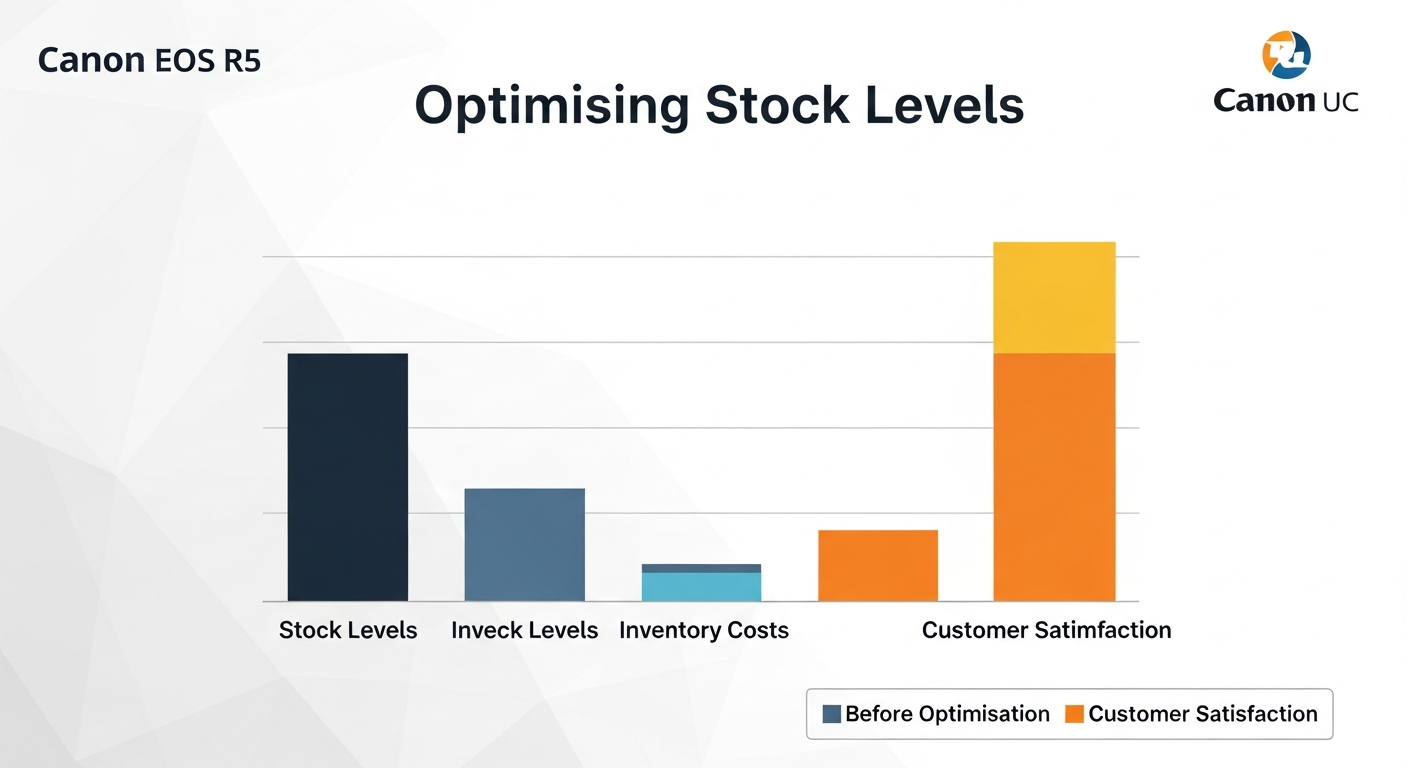
For any UK wholesale business, managing inventory is a delicate balancing act. Too much stock ties up capital and incurs storage costs; too little leads to lost sales and frustrated customers. The sweet spot, the point where you consistently meet demand without excessive overheads, is often found in the precise application of reorder points. In the competitive B2B landscape, understanding and optimising your reorder timing isn't just good practice – it's fundamental to profitability and sustained growth.
Understanding Reorder Points: More Than Just a Number
A reorder point (ROP) is the minimum quantity of an item that a business should have in stock before placing a new order with its supplier. It's the trigger that ensures you replenish your inventory before you run out, accounting for the time it takes for new stock to arrive. Far from being an arbitrary figure, a well-calculated reorder point is a strategic tool that integrates demand forecasting, lead times, and risk management.
The Cost of Getting it Wrong
Inaccurate reorder points can lead to a cascade of negative consequences:

- Stockouts: Losing sales, damaging customer relationships, and potentially driving clients to competitors. For high-demand items, especially within categories like pound lines, a stockout can be particularly detrimental to daily turnover.
- Overstocking: Tying up significant capital, incurring higher storage costs, increasing the risk of obsolescence, and potentially forcing markdowns or clearance sales to move stagnant inventory.
- Operational Inefficiencies: Rushing emergency orders, disrupting warehouse operations, and increasing shipping costs.
Key Components of an Effective Reorder Point Calculation
Calculating an accurate reorder point requires a solid understanding of several critical variables. It's not a one-size-fits-all solution; each product, and even different SKUs within the same category, may require its own tailored ROP.
Demand Rate (Sales Velocity)
This refers to the average number of units of a product sold or used per day (or week, depending on your calculation period). Accurate demand forecasting is paramount here. Historical sales data, trend analysis, and even predictive analytics play a crucial role. Consider:

- Average Daily Sales: Calculate the average over a relevant period (e.g., 30, 60, or 90 days), smoothing out daily fluctuations.
- Seasonal Variations: Demand for items such as seasonal items or certain garden products will naturally fluctuate throughout the year, requiring dynamic adjustments to your demand rate.
- Promotional Impact: Anticipate spikes in demand due to planned promotions or marketing campaigns.
Lead Time
Lead time is the total duration from the moment you place an order with a supplier until the new stock is physically available in your warehouse and ready for dispatch. This isn't just shipping time; it includes:
- Order Processing Time: How long your team takes to prepare and send the order.
- Supplier Processing Time: How long the supplier takes to process your order, pick, pack, and ship.
- Transit Time: The actual shipping duration, which can vary significantly based on origin (e.g., domestic vs. international), shipping method, and carrier reliability.
- Receiving and Inspection Time: How long it takes your warehouse team to receive, inspect, and put away the new stock.
Understanding and accurately tracking each stage of lead time is vital. Any variability here can significantly impact your reorder point.
Safety Stock
Safety stock is an extra quantity of inventory held to prevent stockouts due to unexpected demand spikes or delays in lead time. It acts as a buffer against uncertainty. While holding safety stock incurs costs, the cost of a stockout often far outweighs it.
Factors influencing safety stock levels:
- Demand Volatility: Products with highly unpredictable demand will require more safety stock. Think about new trends in health & beauty or fast-moving toys & games.
- Lead Time Variability: If your supplier's lead times are inconsistent, you'll need a larger safety buffer.
- Desired Service Level: The percentage of customer demand you aim to meet from existing stock. A higher service level (e.g., 99%) requires more safety stock than a lower one (e.g., 90%).
- Cost of Stockout vs. Cost of Holding: A critical analysis to determine the optimal balance.
The Reorder Point Formula in Practice
The basic formula for calculating the reorder point is straightforward:
Reorder Point = (Average Daily Demand × Lead Time) + Safety Stock
Example Scenario:
Let's say you sell a popular home & garden product with the following data:
- Average Daily Demand: 20 units
- Lead Time: 7 days
- Safety Stock: 50 units (calculated based on historical variability and desired service level)
Your Reorder Point would be:
(20 units/day × 7 days) + 50 units = 140 units + 50 units = 190 units
This means that when your stock level for this product drops to 190 units, it's time to place a new order.
Factors Beyond the Formula: Dynamic Reorder Strategies
While the formula provides a solid foundation, effective inventory management requires a more dynamic approach, considering various external and internal factors.
Seasonality and Promotional Cycles
Many wholesale products experience predictable peaks and troughs in demand. Christmas, Easter, summer holidays, or specific industry trade shows will significantly impact sales for categories like party supplies or certain toys. Your reorder points must be adjusted proactively for these periods, increasing them ahead of peak demand and potentially lowering them during off-peak times to avoid accumulating excess stock.
Supplier Reliability and Lead Time Variability
Not all suppliers are created equal. Some may consistently deliver on time, while others might frequently experience delays. Building strong relationships with reliable suppliers can reduce lead time variability and, consequently, your need for large safety stock. For less reliable suppliers, you might need to factor in a buffer to your lead time estimate or increase safety stock.
Economic Conditions and Market Trends
Broader economic shifts (e.g., inflation, changes in consumer spending habits) or emerging market trends can impact demand for your products. Staying abreast of industry news, competitor activities, and consumer behaviour is crucial. For instance, a sudden surge in demand for sustainable products might require a re-evaluation of reorder points for eco-friendly alternatives across your range.
Product Life Cycle
The stage of a product's life cycle also influences its reorder point. New products might have unpredictable demand, requiring higher safety stock and frequent review. Mature products will have more stable demand. Products nearing the end of their life cycle should have their reorder points reduced or eliminated to prevent obsolescence and minimise the need for extensive clearance efforts.
Leveraging Technology for Precision Inventory Management
Manually calculating and tracking reorder points for a vast inventory is not only time-consuming but also prone to error. Modern inventory management systems (IMS) are invaluable tools for UK wholesalers.
Inventory Management Systems (IMS)
An IMS can automate many aspects of reorder point management:
- Real-time Stock Levels: Provides accurate, up-to-the-minute inventory data across all locations.
- Automated Calculations: Calculates reorder points based on pre-set formulas and historical data.
- Demand Forecasting: Uses algorithms to predict future demand, taking into account seasonality and trends.
- Automated Purchase Orders: Can generate purchase orders automatically when reorder points are hit, streamlining the procurement process.
- Reporting and Analytics: Offers insights into inventory performance, helping identify slow-moving or fast-moving items, and optimising stockholding.
Data Analytics and AI
Advanced systems can go beyond basic calculations, employing artificial intelligence and machine learning to:
- Predict Lead Time Variances: Learning from past supplier performance to better estimate delivery times.
- Dynamic Safety Stock: Adjusting safety stock levels dynamically based on real-time risk assessment.
- Optimise Pricing: Integrating inventory data with sales data to suggest optimal pricing strategies.
Continuous Review and Optimisation
Reorder points are not set in stone. The market, your suppliers, and your own business operations are constantly evolving. Regular review and optimisation are essential to maintain efficiency and profitability.
Regular Audits
Periodically review your reorder points for each product. Compare actual demand against your forecasts, assess supplier lead time performance, and evaluate the effectiveness of your safety stock levels. This could be monthly, quarterly, or semi-annually, depending on the product's velocity and market volatility.
A/B Testing Reorder Strategies
For certain product groups, consider experimenting with slightly different reorder point calculations or safety stock levels. Monitor the results closely – looking at stockout rates, carrying costs, and customer satisfaction – to identify the most effective strategies.
Staff Training
Ensure your team members involved in inventory management, purchasing, and warehousing understand the importance of accurate data entry and the principles behind reorder point calculations. Empowering your team with knowledge can significantly improve the accuracy and efficiency of your inventory operations.
Conclusion
Mastering reorder points is a cornerstone of efficient inventory management for any UK wholesale B2B business. It's about achieving the perfect equilibrium: preventing costly stockouts while avoiding the burden of excess inventory. By diligently calculating demand rates, understanding lead times, strategically implementing safety stock, and dynamically adjusting to market conditions, you can significantly enhance your operational efficiency and boost your bottom line. Embrace technology, foster strong supplier relationships, and commit to continuous review to ensure your reorder points are always working optimally for your business.
For a comprehensive range of wholesale products to keep your shelves stocked and your business thriving, explore the extensive selection at Rysons.com today.