

Effective Supplier Negotiation for UK Wholesale

Effective Supplier Negotiation for UK Wholesale Businesses
In the dynamic world of wholesale, securing favourable terms with your suppliers isn't just about cutting costs; it's about building robust, sustainable relationships that drive long-term success. For UK B2B businesses, mastering the art of negotiation is a critical skill that impacts everything from profit margins to inventory management and customer satisfaction. This comprehensive guide will delve into effective strategies for negotiating with suppliers, ensuring you optimise your procurement process and strengthen your supply chain.
The Foundation: Why Supplier Negotiation Matters
Negotiation is more than just haggling over price. It's a strategic dialogue aimed at finding mutually beneficial agreements. For wholesale businesses, strong negotiation skills can lead to:
- Improved Profitability: Lower unit costs directly translate to higher margins.
- Better Cash Flow: Favourable payment terms can significantly ease your working capital requirements.
- Enhanced Supply Chain Reliability: Clear agreements on delivery, quality, and support reduce risks.
- Competitive Advantage: Better terms allow you to offer more competitive pricing or higher-quality products to your customers.
- Stronger Relationships: Collaborative negotiation fosters trust and long-term partnerships.
Phase 1: Thorough Preparation is Non-Negotiable
The most successful negotiations are those where both parties come to the table well-prepared. For wholesale buyers, this means doing your homework before you even think about engaging a supplier.

Understand Your Own Needs and Constraints
Before you approach any supplier, you must have a crystal-clear understanding of what you need. This isn't just about the product itself, but also quantities, desired quality levels, delivery timelines, and your budget.
- Define Specifications: What exact products do you need? For example, if you're stocking up on household essentials, specify sizes, materials, and any certifications required.
- Quantify Demand: How much do you need, and how frequently? This impacts volume discounts and order frequency.
- Set Your Budget: What is your maximum acceptable price? What’s your ideal target?
Research the Market and Alternatives
Knowledge is power. Understanding the broader market landscape gives you leverage and perspective.

- Competitor Analysis: What are your competitors paying for similar goods? What terms do they have?
- Alternative Suppliers: Always have a list of potential alternative suppliers. Even if you prefer your current one, knowing other options strengthens your position. This is especially true for diverse product ranges, from toys & games to seasonal items.
- Market Trends: Are prices for raw materials rising or falling? Is there a surplus or shortage of the products you need?
Know Your Supplier
Understanding your supplier's business, strengths, and weaknesses can help you tailor your approach.
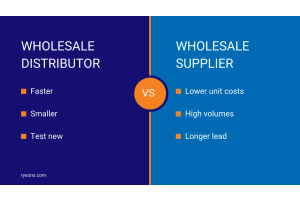
- Their Business Model: Are they a manufacturer, distributor, or agent? This affects their pricing structure and flexibility.
- Their Sales Cycle: Are there periods when they are more motivated to sell (e.g., end of quarter/year targets)?
- Their Pain Points: Do they have excess stock, or are they trying to break into a new market?
Set Clear Objectives and a BATNA
Before any discussion, define your ideal outcome, your acceptable outcome, and your 'Best Alternative to a Negotiated Agreement' (BATNA).
- Ideal Outcome: Your absolute best-case scenario.
- Acceptable Outcome: The minimum you'd be willing to accept.
- BATNA: What will you do if negotiations fail? This could be switching to an alternative supplier or delaying the purchase. Having a strong BATNA gives you confidence and prevents you from accepting a bad deal.
Phase 2: Executing the Negotiation with Finesse
With thorough preparation under your belt, it's time to engage. Remember, negotiation is a conversation, not a confrontation.
Build Rapport and Maintain Professionalism
Start by establishing a positive relationship. A friendly, respectful approach often yields better results than an aggressive one. Remember, you're looking for a long-term partnership.
Present Your Case Clearly and Confidently
Articulate your needs and your proposed terms clearly. Be specific about what you're asking for and why. Focus on the mutual benefits of the deal. For instance, if you're a large buyer of health & beauty products, highlight the consistent volume you can offer.
Active Listening and Asking Open-Ended Questions
Listen more than you speak. Understand the supplier's perspective, their constraints, and their goals. Ask open-ended questions to uncover opportunities for compromise or alternative solutions.
Explore Value Beyond Price
While price is often the primary focus, many other factors can add significant value to a deal. Be prepared to negotiate on a range of terms:
- Payment Terms: Can you negotiate longer payment windows (e.g., 60 or 90 days instead of 30)? This significantly helps cash flow.
- Delivery Schedules: Can you get more frequent, smaller deliveries to reduce storage costs, or consolidate shipments for efficiency, especially for bulkier items like DIY tools?
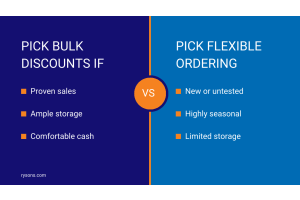
- Minimum Order Quantities (MOQs): Can these be lowered, or can you get a trial order with a reduced MOQ?
- Quality Control: Can you negotiate stricter quality assurance checks or a clearer returns policy?
- After-Sales Support: What kind of support, warranties, or training is included?
- Volume Discounts: Are there tiered pricing structures you can tap into by committing to higher volumes?
- Exclusivity: Can you secure exclusive rights to certain products or territories?
Handle Objections and Rejections Constructively
It's rare for a supplier to agree to everything immediately. When they object, understand their reasons and try to find common ground. "I understand that's challenging; what aspects could we adjust to make it work for both of us?"
Know When to Walk Away (and Be Prepared To)
If a supplier is unwilling to meet your reasonable terms, and the deal falls below your BATNA, be prepared to walk away. This isn't a threat; it's a strategic decision based on your pre-defined limits.
Phase 3: Cultivating Long-Term Supplier Relationships
Successful negotiation isn't just about closing a deal; it's about fostering a relationship that benefits both parties for years to come. A good supplier is a true partner.
Transparency and Honesty
Be upfront about your expectations, challenges, and long-term plans. Honesty builds trust, which is the bedrock of any strong partnership.
Fairness and Mutual Respect
Always aim for a win-win outcome. Pushing for terms that are unsustainable for your supplier will ultimately backfire. A fair deal ensures the supplier remains motivated and committed to your business.
Regular Communication and Feedback
Don't just communicate when there's a problem or when it's time to re-negotiate. Regular check-ins, performance reviews, and feedback sessions help maintain a healthy relationship and proactively address potential issues.
Pay on Time
Consistently paying your invoices promptly is one of the quickest ways to earn a supplier's trust and goodwill. It can give you leverage in future negotiations.
Collaborate on Problem-Solving
When issues arise (and they will), approach them collaboratively. Work with your supplier to find solutions rather than assigning blame. This reinforces the partnership aspect of your relationship.
Common Negotiation Pitfalls to Avoid
Even experienced buyers can fall into common traps. Be mindful of these:
- Lack of Preparation: Going into a negotiation without clear objectives, market research, or a BATNA is a recipe for a poor outcome.
- Making it Personal: Emotions have no place in business negotiations. Stick to the facts and maintain a professional demeanour.
- Being Too Aggressive: While assertiveness is good, aggression can damage relationships and make suppliers reluctant to work with you in the future.
- Not Understanding the Supplier's Position: If you don't understand their costs, margins, or operational constraints, your proposals might be unrealistic.
- Focusing Only on Price: Neglecting other value-added terms can lead to a deal that looks good on paper but lacks true long-term benefit.
Conclusion
Negotiating with suppliers is an ongoing, strategic process that is vital for any UK wholesale B2B business. By investing time in thorough preparation, executing discussions with finesse, and focusing on building strong, lasting relationships, you can secure terms that not only boost your bottom line but also enhance the reliability and competitiveness of your entire operation. Remember, a successful negotiation creates value for both parties, fostering a partnership that thrives through market fluctuations and business challenges.
Ready to apply these negotiation strategies to your procurement? Explore Rysons.com for a vast range of wholesale products and discover potential new partners for your business. Visit Rysons.com today to get started.