

Selling More in UK Retail: Navigating Reduced Spend

The UK retail landscape is in a constant state of flux, and recent economic headwinds have presented a unique challenge: shoppers are buying less. This isn't necessarily a cause for alarm, but rather a call for adaptation and strategic thinking. For UK wholesale B2B retailers, understanding and responding to this shift is paramount not just for survival, but for sustainable growth. The goal isn't always to sell more individual items, but to sell smarter, maximise value, and truly meet the evolving needs of the consumer.
In a climate where every purchase is more considered, retailers must pivot from a volume-driven approach to one focused on value, relevance, and an exceptional customer experience. This requires a deep dive into consumer behaviour, a keen eye on inventory, and a willingness to innovate. Let's explore how UK shops can continue to thrive and even increase their profitability when shoppers are tightening their belts.
Understanding the Shifting Consumer Landscape
Before we can strategise, we must first comprehend the forces at play. UK consumers are more discerning than ever, influenced by inflation, rising living costs, and a general sense of economic uncertainty. This manifests in several key behavioural changes.

The 'Value' Imperative
Value no longer solely equates to the lowest price. Instead, it encompasses durability, utility, quality for cost, and the emotional benefit a product provides. Shoppers are asking: "Will this last?", "Does this solve a problem?", "Is this truly worth my hard-earned money?" Retailers need to ensure their product offerings clearly communicate this inherent value, whether through robust product descriptions, visual merchandising, or knowledgeable staff.
Conscious Consumption
There's a growing trend towards conscious consumption. This means shoppers are not only considering the immediate cost but also the environmental and social impact of their purchases. While not every product needs to be eco-friendly, understanding this underlying desire for responsible choices can inform product selection and marketing. Offering products that align with these values can resonate deeply with a segment of the market, even if it means a slightly higher price point for perceived quality or ethical sourcing.

Strategic Stocking for Modern Retailers
Your inventory is the heartbeat of your retail business. In a 'buy less' environment, efficient and intelligent stocking becomes even more critical. It’s about having the right products at the right time, rather than simply having a lot of products.
Curating for Necessity and Desire
Focus your inventory on a mix of essential items that customers need regularly and desirable items that offer a treat or solve a specific problem. For instance, in the home & garden sector, while garden tools might be a considered purchase, everyday cleaning supplies or kitchen gadgets are often necessities. Understanding this balance helps optimise stock levels and reduce waste.
The Power of 'Pound Lines'
Never underestimate the appeal of a great deal, especially in challenging times. Strategically stocked pound lines or value items can act as powerful footfall drivers and impulse purchase generators. These aren't just about cheap goods; they're about perceived value and affordability. When integrated thoughtfully, they can encourage customers to enter your store and potentially discover higher-margin items.
Seasonal Adaptability
The timely introduction of seasonal items is crucial. Whether it's festive decorations, summer outdoor essentials, or back-to-school stationery, having relevant products exactly when customers need them can significantly boost sales. This requires forward planning and a reliable wholesale partner who can supply these items efficiently and at competitive prices. Don't overstock on seasonal items; focus on quick turnover and timely replenishment.
Enhancing the In-Store and Online Experience
When shoppers are buying less, their experience of purchasing becomes even more important. A positive experience can differentiate your business and encourage repeat visits, even if the basket size is smaller.
Merchandising for Maximum Impact
Visual merchandising plays a pivotal role. Create engaging displays that tell a story, highlight product benefits, and inspire purchases. Consider grouping complementary items together – for example, a display of kitchen utensils alongside storage solutions, or pet toys with pet accessories. Make it easy for customers to envision how products fit into their lives.
Bundling and Cross-Selling Opportunities
Encourage customers to increase their average transaction value by offering bundles or suggesting complementary products. "Buy X and get Y for half price," or "Customers who bought this also bought that," are classic tactics that work. For example, if a customer is buying a tool, suggest an accessory or a related project guide. This enhances the perceived value and utility of their primary purchase.
Engaging with Purpose
Whether online or in-store, make every customer interaction meaningful. Train staff to be product experts, able to offer genuine advice and solutions. Online, ensure your website is user-friendly, with clear product information and responsive customer service. A positive, helpful interaction can turn a hesitant browser into a loyal customer, even if they only buy one item.
Diversifying Your Product Offerings
To capture spending from a cautious consumer, it helps to have a broad yet targeted range of products that cater to different needs and budgets.
Everyday Essentials and Home Comforts
People may cut back on luxuries, but they rarely stop needing everyday essentials. Stocking reliable household items, cleaning products, and practical storage solutions ensures a steady flow of customers seeking necessity. Furthermore, with more time spent at home, items that enhance comfort and functionality within the home, such as small electrical appliances or decorative home goods, can prove popular.
Leisure and Well-being
Even when budgets are tight, people still seek ways to relax, entertain themselves, and look after their well-being. Consider expanding into health & beauty products, particularly those offering good value, or stationery & books for affordable entertainment and self-improvement. Toys & games also remain strong performers, as parents often prioritise their children's happiness even when personal spending is reduced.
Niche Markets and Impulse Buys
Don't overlook the power of niche markets or small, affordable impulse buys. For instance, specific pet products for a growing pet-owner demographic, or even small toys that can make a big difference as a small treat. These items, often found on clearance or as part of a clearance deal, can offer excellent margins and attract customers looking for a bargain or a quick pick-me-up.
Operational Excellence in Lean Times
Beyond product and experience, operational efficiency is crucial for maintaining profitability when sales volumes might be lower.
Efficient Inventory Management
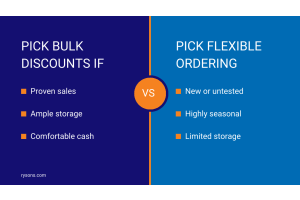
Overstocking ties up capital and increases storage costs. Implement robust inventory management systems to track sales, identify fast-moving and slow-moving items, and optimise reorder points. This minimises waste, frees up cash flow, and allows for greater agility in responding to market trends. Utilise data to make informed decisions about what to stock and in what quantities.
Supplier Relationships
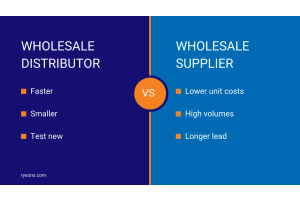
Forge strong relationships with your wholesale suppliers. A reliable partner can offer flexible ordering, competitive pricing, and timely delivery, all of which are vital when managing inventory closely. Transparent communication with your supplier about market trends and your specific needs can lead to mutually beneficial strategies, such as bulk discounts for popular items or support with marketing materials.
Conclusion
The current retail climate in the UK, where shoppers are buying less, is not an insurmountable obstacle but a catalyst for innovation. By focusing on delivering undeniable value, curating intelligent product assortments, enhancing the customer experience, diversifying offerings strategically, and maintaining operational excellence, UK retailers can not only weather the storm but emerge stronger. It's about adapting to the new consumer mindset, offering solutions, and building lasting relationships through trust and quality.
To equip your shop with the diverse, high-value, and essential products needed to thrive in today's market, explore a comprehensive range of wholesale goods. Visit Rysons.com today and discover how a strategic wholesale partnership can empower your business to sell smarter and grow.