

UK Wholesale: A Retailer's Sourcing Guide

UK Wholesale Suppliers: A Buyer's Guide
The UK wholesale market presents a significant opportunity for retailers, market traders, and online resellers to source products at competitive prices. Navigating this landscape effectively, however, requires a strategic approach. This guide provides a comprehensive overview of the UK wholesale market, equipping you with the knowledge and tools necessary to find reliable wholesale suppliers and maximise your profitability.
Understanding the UK Wholesale Market
The UK wholesale market is a diverse ecosystem, encompassing a wide range of industries and product categories. From household products and clothing to electronics and food, the options are extensive. According to recent data, the UK wholesale sector contributes significantly to the national economy, with annual sales reaching billions of pounds. Understanding the key players, market trends, and regional variations is crucial for successful sourcing.
Key Characteristics of the UK Wholesale Market:
- Diversity: A vast array of products are available, catering to various retail sectors.
- Competition: A competitive landscape drives prices and encourages innovation.
- Regional Variations: Different regions may have specialised wholesale hubs.
- Online Presence: An increasing number of wholesalers operate online, offering greater accessibility.
The shift towards online wholesale platforms has made it easier than ever for retailers to connect with suppliers across the country. This increased accessibility has also intensified competition, requiring retailers to be more strategic in their sourcing efforts. For example, retailers looking for garden supplies now have a wider range of options than ever before.
Finding Reliable Wholesale Suppliers
The cornerstone of successful wholesale sourcing is identifying reliable suppliers. A reliable supplier will offer competitive prices, consistent product quality, and dependable delivery schedules. Here are some strategies for finding and vetting potential wholesale suppliers in the UK:
Online Directories and Marketplaces
Numerous online directories and marketplaces specialise in connecting retailers with wholesale suppliers. These platforms often provide supplier profiles, product listings, and customer reviews, enabling you to compare options and assess credibility. Examples include:
- Industry-Specific Directories: Focus on your particular product category (e.g., clothing, electronics).
- General Wholesale Marketplaces: Offer a broad range of products from various suppliers.
- Trade Shows: Attending trade shows provides opportunities to meet suppliers in person and examine their products.
Due Diligence and Verification
Before committing to a supplier, it's essential to conduct thorough due diligence. This includes:
- Checking Supplier Credentials: Verify their registration with Companies House and any relevant industry associations.
- Requesting Samples: Assess the quality of the products before placing a large order.
- Reading Reviews and Testimonials: Gauge the experiences of other retailers.
- Checking Payment Terms: Negotiate favourable payment terms to manage cash flow.
Building Relationships
Establishing strong relationships with your suppliers can lead to better pricing, priority access to new products, and improved communication. Consider the following:
- Regular Communication: Maintain open and consistent communication with your suppliers.
- Prompt Payment: Pay invoices on time to build trust and maintain a positive relationship.
- Providing Feedback: Offer constructive feedback to help suppliers improve their products and services.
Sourcing cleaning products, for instance, requires ensuring that the supplier complies with all relevant safety regulations and provides Material Safety Data Sheets (MSDS) for their products.
Negotiating Prices and Terms
Negotiation is a critical skill for successful wholesale buying. Here are some tips for negotiating favourable prices and terms with your suppliers:
Bulk Discounts
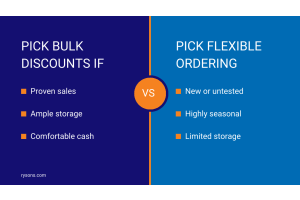
Take advantage of bulk discounts by ordering larger quantities of products. Suppliers are often willing to offer lower prices per unit for larger orders.
Payment Terms
Negotiate payment terms that align with your cash flow. Options include:
- Net 30 or Net 60: Paying the invoice within 30 or 60 days of the invoice date.
- Early Payment Discounts: Receiving a discount for paying the invoice early.
- Consignment: Paying for the products only after they have been sold.
Shipping Costs
Factor shipping costs into your overall pricing. Negotiate shipping rates with your suppliers or explore alternative shipping options to reduce expenses.
Building a Strong Position
By carefully planning and executing your negotiation strategy, you can secure competitive prices and terms that benefit your business. Understanding the supplier's perspective and building a collaborative relationship can also lead to more favourable outcomes. Retailers looking for storage solutions should consider the cost of shipping bulky items and negotiate accordingly.
Managing Inventory and Logistics
Efficient inventory management and logistics are essential for maximising profitability in the wholesale business. Here are some key considerations:
Inventory Control
Implement an inventory management system to track stock levels, monitor sales trends, and avoid stockouts or overstocking. Consider using:
- Inventory Management Software: Automate inventory tracking and reporting.
- Just-in-Time (JIT) Inventory: Ordering products only when needed to minimise storage costs.
- ABC Analysis: Categorising inventory based on its value and importance.
Warehousing and Storage
Choose a warehousing and storage solution that meets your specific needs. Options include:
- Self-Storage Units: Suitable for smaller businesses with limited inventory.
- Third-Party Logistics (3PL) Providers: Outsourcing warehousing and fulfillment to a specialised provider.
- In-House Warehousing: Managing your own warehouse and storage facilities.
Shipping and Delivery
Streamline your shipping and delivery processes to ensure timely and cost-effective order fulfillment. Consider:
- Negotiating Shipping Rates: Securing competitive shipping rates with carriers.
- Using Tracking Systems: Providing customers with real-time tracking information.
- Optimising Packaging: Reducing packaging costs and minimising damage during transit.
For retailers dealing with kitchen items, proper packaging is crucial to prevent breakage during shipping. Similarly, retailers stocking pet supplies need to ensure that products are stored in a clean and hygienic environment.
Adapting to Market Trends
The wholesale market is constantly evolving, driven by changing consumer preferences, technological advancements, and economic factors. Staying ahead of the curve requires continuous monitoring of market trends and adapting your sourcing strategies accordingly.
E-commerce Growth
The rise of e-commerce has transformed the retail landscape, creating new opportunities for online resellers. Consider:
- Selling on Online Marketplaces: Expanding your reach by selling on platforms like Amazon and eBay.
- Creating Your Own Online Store: Building a branded e-commerce website to showcase your products.
- Optimising Your Online Presence: Improving your search engine ranking and social media visibility.
Sustainability and Ethical Sourcing
Consumers are increasingly concerned about sustainability and ethical sourcing practices. Consider:
- Sourcing Eco-Friendly Products: Offering products made from sustainable materials and produced using environmentally friendly processes.
- Working with Ethical Suppliers: Partnering with suppliers who adhere to fair labour practices and environmental standards.
- Promoting Sustainability: Communicating your commitment to sustainability to your customers.
Emerging Technologies
Embrace emerging technologies to improve your sourcing efficiency and customer experience. Consider:
- Using Data Analytics: Analysing sales data to identify trends and optimise inventory management.
- Implementing Automation: Automating repetitive tasks to improve efficiency and reduce costs.
- Leveraging Artificial Intelligence (AI): Using AI-powered tools to enhance customer service and personalise marketing efforts.
For example, retailers who sell toys and games can use data analytics to identify the most popular products and adjust their inventory accordingly. Retailers selling DIY tools might consider offering online tutorials or workshops to enhance the customer experience.
Conclusion
Navigating the UK wholesale market requires a strategic approach, encompassing careful supplier selection, effective negotiation, efficient inventory management, and adaptation to market trends. By implementing the strategies outlined in this guide, retailers can optimise their sourcing processes, maximise profitability, and achieve sustainable growth in the competitive UK market. Don't forget items such as party supplies that are always in high demand.
Browse our full wholesale catalogue at Rysons.com