

Navigating Retail Inflation: Practical UK Strategies
The UK retail landscape has recently experienced unprecedented shifts, with persistent inflation presenting significant and complex challenges for businesses of all sizes. From escalating energy costs and intricate supply chain disruptions to fundamental shifts in consumer spending habits, retailers across the nation are under immense pressure to adapt swiftly and strategically. For B2B wholesalers and their valued retail partners, understanding these intricate economic dynamics and implementing agile, forward-thinking strategies is no longer merely about survival; it's about cultivating profound resilience and identifying avenues for sustainable growth, even amidst leaner times. This comprehensive blog post delves into actionable insights and practical strategies specifically tailored for UK retailers aiming to navigate the current economic climate effectively and emerge stronger.
Understanding the Current Economic Climate: A Retailer's Perspective
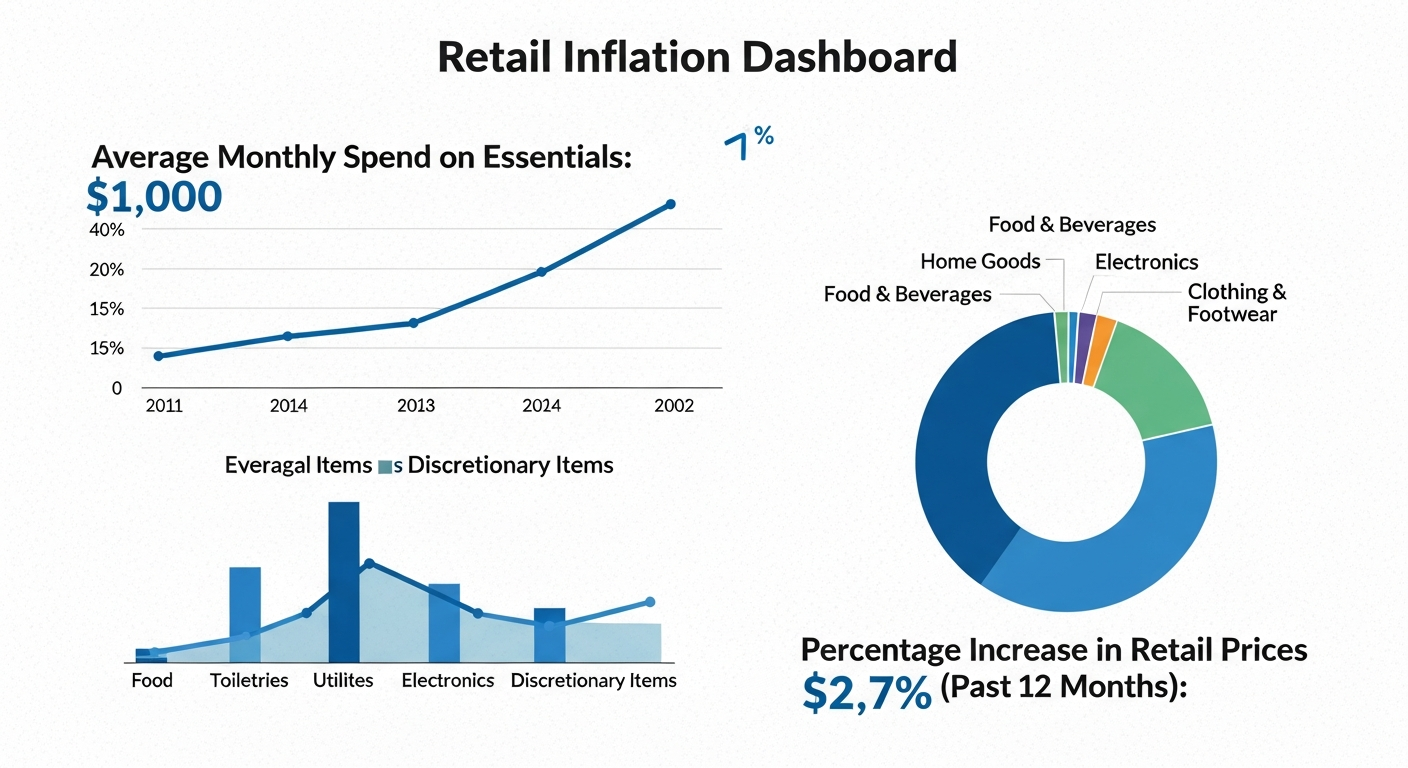
While the headline inflation rate has shown signs of easing from its peak, its lingering impact on consumer behaviour and business operations remains profound. Consumers, faced with a tightening of disposable income, are becoming increasingly discerning in their purchasing decisions. There's a noticeable pivot towards prioritising essential purchases and an intensified quest for greater value for money across all categories. This fundamental shift directly influences stock turnover rates, compresses profit margins, and challenges the overall sustainability of retail businesses. Consequently, wholesalers bear the crucial responsibility of equipping their retail partners not only with the right products but also with the strategic frameworks necessary to meet these evolving and demanding consumer expectations. Understanding this landscape is the first step towards formulating an effective response.
Strategies for Leaner Times: Building Resilience and Driving Growth
1. Optimising Stock and Inventory Management for Efficiency
In an inflationary environment, the capital tied up in excessive or slow-moving stock can quickly become a significant drain on resources, eroding profitability and hindering cash flow. Retailers must therefore evolve into masters of precision inventory management, ensuring that every single item on their shelves or in their warehouse is working as hard as possible to generate revenue. This requires a systematic and data-driven approach.

- Data-Driven Purchasing Decisions: Move beyond guesswork. Utilise historical sales data, analyse emerging seasonal trends, and even factor in external influences like weather forecasts to make highly informed purchasing decisions. Focus rigorously on high-turnover items and exercise caution to avoid overstocking volatile or discretionary categories. Consider SKU rationalisation, periodically reviewing your product range to eliminate underperforming lines that tie up capital and shelf space.
- Adopting Just-in-Time (JIT) Principles: Where operationally feasible, embrace JIT inventory models. This approach minimises carrying costs, reduces the risk of obsolescence, and frees up valuable working capital. Successful JIT implementation hinges on strong, collaborative, and reliable wholesale partnerships that can ensure timely and consistent deliveries.
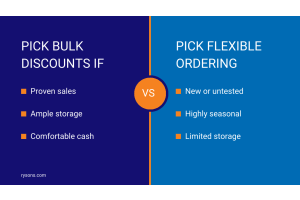
- Leveraging Wholesale Clearance Opportunities: Keep a keen eye on wholesale clearance lines. These often present exceptional opportunities to acquire popular products at significantly reduced costs, enabling retailers to offer highly competitive pricing to consumers or boost their own profit margins considerably. It's a strategy of smart, opportunistic buying that directly translates into enhanced value for the end customer.
- Implementing Efficient Storage Solutions: Regularly review and optimise your warehouse and in-store storage layouts. Maximising space utilisation not only reduces overheads associated with larger premises but also improves operational efficiency, reduces damage, and speeds up stock retrieval.
- Supplier Collaboration for Forecasting: Work closely with your wholesale suppliers to share sales forecasts and market insights. This collaborative approach can lead to more accurate ordering, better stock availability, and potentially more favourable terms as suppliers gain greater predictability from your business.
2. Strategic Pricing and Value Proposition in a Competitive Market
In a climate where consumers are highly price-sensitive, simply raising prices across the board is rarely the most effective or sustainable strategy. Retailers need to be far more nuanced and strategic in how they position their products and communicate their inherent value to customers.

- Dynamic Pricing Models: Continuously monitor competitor pricing, track real-time consumer demand, and leverage analytics to adjust your prices strategically. This doesn't necessarily mean constant fluctuations, but rather an agile approach that allows you to respond effectively to market shifts without alienating your customer base.
- Bundling and Multi-Buy Offers: Create attractive deals by bundling complementary products or offering multi-buy discounts. This strategy can significantly increase the average transaction value and cultivate a strong perception of greater value for the customer. This is particularly effective with popular products like pound lines, where customers are actively seeking out exceptional bargains.
- Emphasising Value Over Price: Shift the narrative from mere cost to the broader value proposition. Highlight the durability, superior quality, practical benefits, or long-term savings associated with your products. For instance, a high-quality household cleaning product that lasts longer or performs better offers demonstrably greater value than a cheaper, less effective alternative that requires more frequent replacement.
- Tiered Pricing Structures: Consider introducing different price points for products within the same category. This allows you to cater effectively to varying customer budgets and preferences, ensuring you capture a wider segment of the market.
3. Robust Cost Control Beyond Stock: A Holistic Approach
Inflation's impact extends far beyond the cost of goods; it permeates every facet of a business's operational expenditure. Retailers must therefore undertake a meticulous scrutiny of all operational costs, seeking opportunities for reduction and optimisation.
- Energy Efficiency Investments: Prioritise investments in energy-saving lighting (LEDs), efficient heating and cooling systems, and smart thermostats. Even seemingly minor changes in energy consumption can accumulate into substantial savings over time, especially with current energy prices. Conduct regular energy audits to identify major consumption points.
- Logistics and Supply Chain Optimisation: Rigorously review your delivery routes, explore options for consolidating shipments, and proactively negotiate more favourable terms with your logistics and freight providers. Consider local sourcing where feasible to reduce transportation costs and lead times.
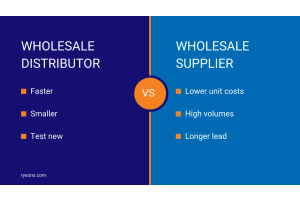
- Strategic Supplier Relationship Management: Cultivate and maintain strong, transparent relationships with your wholesalers and other key suppliers. Open communication channels can lead to better purchasing terms, provide early warnings about impending price changes, and potentially unlock access to exclusive deals or bulk discounts. Regular, proactive review of all supplier agreements is absolutely crucial.
- Technology Adoption for Automation: Invest in and effectively utilise modern retail management software, point-of-sale (POS) systems, and inventory management platforms. These tools can automate repetitive processes, drastically reduce manual errors, and provide invaluable, real-time insights into overall business performance, streamlining operations and boosting efficiency.
- Waste Reduction Initiatives: Implement comprehensive waste reduction programmes across all operations, from packaging and product returns to energy and water consumption. Reducing waste not only cuts costs but also enhances your brand's sustainability credentials, which is increasingly important to consumers.
4. Diversifying Product Offerings for Enhanced Resilience
A well-balanced and diversified product portfolio is a powerful tool for mitigating risks associated with fluctuating demand in specific categories. By broadening your appeal, you can create multiple revenue streams that offer stability.
- Focus on Everyday Essentials: During periods of economic uncertainty, consumers invariably prioritise necessities. Stocking a reliable range of everyday household items, basic stationery, or essential DIY tools can provide a consistent and stable revenue stream, acting as a crucial buffer against downturns in discretionary spending.
- Capitalise on Seasonal Demand: Even when consumers are tightening their belts, they still partake in celebrations. Astutely curated seasonal items for key holidays such as Christmas, Easter, Halloween, and other cultural events can drive significant sales, provided inventory is managed efficiently to avoid post-season markdowns.
- Explore Niche Markets and Evergreen Products: Identify niche markets that demonstrate consistent demand regardless of economic cycles. Similarly, focus on 'evergreen' products that always sell well. This strategy can provide a stable core to your product offering.
- Consider Private Label Opportunities: Collaborate with your wholesalers to explore the development of own-brand or private label products. These can offer higher profit margins, strengthen brand loyalty, and differentiate your offering from competitors.
5. Enhancing Customer Loyalty and Experience
In challenging economic times, retaining your existing customer base is often significantly more cost-effective than constantly acquiring new ones. Loyal customers are your most valuable asset.
- Provide Exceptional Service: Go above and beyond to deliver outstanding customer service that makes shoppers feel genuinely valued and encourages repeat business. Personalised interactions and efficient problem-solving can leave a lasting positive impression.
- Personalisation and Targeted Offers: Leverage customer data to offer highly personalised recommendations, promotions, and communications. Understanding individual preferences can significantly increase conversion rates and foster a deeper connection.
- Robust Loyalty Programmes: Implement well-structured loyalty schemes that genuinely reward frequent purchases, offering exclusive discounts, early access to sales, or special member-only benefits. Make the rewards clear and attainable.
- Community Building: Foster a strong sense of community around your brand, making customers feel like they are part of something larger than just a transactional relationship. This can be particularly effective for local independent retailers who can become community hubs.
- Post-Purchase Engagement: Don't let the relationship end at the sale. Follow up with customers, solicit feedback, and offer support. This reinforces trust and encourages future purchases.
6. Leveraging Digital Channels for Sustainable Growth
In today's interconnected world, a robust and well-optimised online presence is no longer optional; it's a non-negotiable imperative, even for traditionally brick-and-mortar stores. An omnichannel approach is key.
- E-commerce Optimisation: Ensure your online store is user-friendly, highly mobile-responsive, and provides clear, comprehensive product information. High-quality images, detailed descriptions, and transparent pricing are crucial for converting online browsers into buyers. Streamline the checkout process to minimise cart abandonment.
- Strategic Social Media Engagement: Actively utilise platforms like Instagram, Facebook, and TikTok to connect with customers, showcase new products, run targeted promotions, and gather invaluable feedback. Engage authentically with your audience.
- Local SEO and Google My Business: Optimise your online presence for local searches to effectively drive footfall to your physical stores. Maintain an up-to-date Google My Business profile with accurate opening hours, contact details, and customer reviews.
- Effective Email Marketing: Build and nurture an engaged email list to communicate directly with your customer base about new arrivals, upcoming sales, exclusive loyalty rewards, and valuable content. Segment your list for more targeted messaging.
- Data Analytics for Insights: Regularly analyse your website traffic, sales data, and social media metrics to gain deeper insights into customer behaviour, popular products, and effective marketing channels. Use these insights to continually refine your digital strategy.
7. Adapting Marketing and Communication Strategies
How you communicate with your customers is more critical than ever. Messaging needs to be sensitive, transparent, and focused on solutions and value.
- Transparent Communication: Be honest with your customers about challenges, such as supply chain issues, but always pivot to solutions. Transparency builds trust.
- Value-Centric Messaging: Shift marketing focus from purely promotional offers to highlighting the enduring value, quality, and practical benefits of your products. Show how your products solve a problem or enhance their lives.
- Emphasise Local and Community: If you're an independent retailer, leverage your local connections. Highlight your role in the community and the personal service you offer, which larger chains often cannot replicate.
- Digital Ad Efficiency: Review your digital advertising spend. Focus on highly targeted campaigns with clear ROI. A/B test different ad creatives and messaging to find what resonates most with your budget-conscious audience.
Conclusion: Embracing Agility and Partnership
The current retail inflation landscape undoubtedly presents significant and multifaceted challenges for UK retailers. However, it also serves as a powerful catalyst, compelling businesses to innovate, refine their operational efficiencies, and fundamentally rethink their approach to the market. By strategically managing inventory, optimising pricing models, meticulously controlling costs across the board, thoughtfully diversifying product offerings, passionately nurturing customer loyalty, and intelligently harnessing the power of digital tools, businesses can not only weather the immediate storm but emerge considerably stronger, more resilient, and better positioned for future growth. The overarching key to success in these dynamic times lies in unwavering agility, an unwavering commitment to data-driven decision-making, and the cultivation of robust, collaborative partnerships with trusted wholesalers who truly understand the unique demands of the UK market.
Empower Your Retail Business Today
For a comprehensive range of quality wholesale products and to empower your retail business with a competitive advantage in any economic climate, explore the extensive selection available at Rysons.com today.