

UK Wholesale: Smart Sourcing & FBA Success
UK Wholesale: Your Guide to Sourcing Deals and Avoiding FBA Pitfalls
The UK wholesale market presents a wealth of opportunities for businesses looking to source products for resale, particularly through platforms like Amazon FBA. However, navigating this landscape requires careful planning and a strategic approach. This guide will provide insights into finding reputable UK wholesale suppliers, understanding the nuances of distributors versus suppliers, avoiding common FBA sourcing mistakes, and leveraging stock clearance opportunities.
Finding Reputable UK Wholesale Suppliers
Identifying trustworthy suppliers is the foundation of a successful wholesale business. Here's how to find them:
Online Directories
Several online directories specialize in connecting businesses with wholesale suppliers. These directories often allow you to filter by product category, location, and other criteria. Always check reviews and ratings before engaging with a supplier.
Trade Shows and Exhibitions
Attending trade shows is an excellent way to meet suppliers face-to-face, inspect products, and build relationships. UK trade shows cover a wide range of industries, offering a valuable opportunity to discover new suppliers and trends. Consider attending shows focused on household products, for example, to see what's trending.
Industry Associations
Many industries have trade associations that can provide lists of reputable suppliers. These associations often have strict membership criteria, ensuring a certain level of quality and reliability.
Supplier Verification
Before committing to a supplier, conduct thorough due diligence:
- Check their credentials: Verify their business registration and VAT number.
- Request references: Contact other businesses that have worked with the supplier.
- Order samples: Assess the quality of their products before placing a large order.
- Review their terms and conditions: Pay close attention to payment terms, shipping policies, and return policies.
Distributor vs. Supplier: Understanding the Difference
It's crucial to understand the difference between distributors and suppliers:
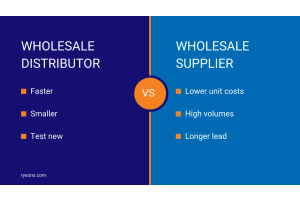
- Suppliers: Typically manufacture the products themselves or have exclusive rights to sell them. They often offer the best prices and widest product range.
- Distributors: Purchase products from manufacturers or suppliers and resell them to retailers. They usually offer smaller quantities and may have higher prices than suppliers.
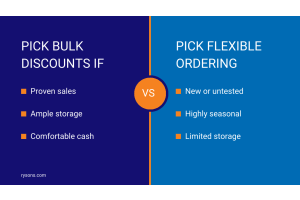
Choosing between a distributor and a supplier depends on your specific needs. If you require large quantities and want the best possible prices, sourcing directly from a supplier is usually the best option. However, if you need smaller quantities or a wider variety of products, a distributor may be a better choice. For example, if you're looking for garden supplies, consider whether you need to buy directly from the manufacturer or a distributor carrying multiple brands.
Avoiding Common FBA Sourcing Mistakes
Sourcing products for Amazon FBA requires careful consideration to avoid costly mistakes:
Ignoring Product Research
Failing to conduct thorough product research is a common mistake. Before sourcing any product, research its demand, competition, and profitability on Amazon. Use tools like Jungle Scout or Helium 10 to analyse sales data and identify potential opportunities. Don't forget to check for seasonal variations in demand, especially when considering party supplies.
Neglecting Quality Control
Poor quality products can lead to negative reviews, returns, and account suspensions. Implement a robust quality control process to ensure that all products meet your standards. This may involve inspecting samples, conducting factory audits, and working with a third-party inspection service.
Ignoring Amazon's Policies
Amazon has strict policies regarding product safety, labelling, and intellectual property. Failing to comply with these policies can result in product removal, account suspension, or legal action. Familiarize yourself with Amazon's policies and ensure that your products meet all requirements.
Overlooking Shipping Costs
Shipping costs can significantly impact your profitability, especially when sourcing products from overseas. Factor in all shipping costs, including import duties, taxes, and freight charges, when calculating your profit margins. Consider using a freight forwarder to negotiate better shipping rates and manage customs clearance.
Lack of Inventory Management
Poor inventory management can lead to stockouts, overstocking, and storage fees. Implement an inventory management system to track your stock levels, forecast demand, and optimize your ordering schedule. This is particularly important for fast-moving consumer goods like cleaning products.
Leveraging Stock Clearance Opportunities
Stock clearance opportunities can be a great way to source products at discounted prices. However, it's important to approach these opportunities with caution:
Understanding the Reasons for Clearance
Before purchasing clearance stock, understand the reasons why the products are being discounted. Are they end-of-line items, discontinued products, or products with minor defects? Ensure that the products are still saleable and that you can make a profit.
Assessing Product Condition
Thoroughly inspect the products to ensure that they are in good condition. Check for any damage, defects, or missing parts. If possible, negotiate a lower price for products with minor defects.
Negotiating Prices
Don't be afraid to negotiate prices on clearance stock. Suppliers are often willing to offer further discounts to clear out their inventory quickly. Be prepared to walk away if the price is not right.
Considering Storage Costs
Clearance stock often requires large storage space, which can incur additional costs. Factor in storage costs when calculating your profit margins. Consider using a third-party logistics provider to manage your storage and fulfilment.
Checking Expiry Dates
If you're sourcing food, beverages, or other perishable products, check the expiry dates carefully. Ensure that the products have sufficient shelf life to be sold before they expire. Products like pet supplies may have expiry dates to consider as well.
Conclusion
Navigating the UK wholesale market and succeeding with Amazon FBA requires a strategic approach, careful planning, and a commitment to quality. By following the tips outlined in this guide, you can find reputable suppliers, avoid common FBA sourcing mistakes, and leverage stock clearance opportunities to maximize your profits. Remember to always conduct thorough due diligence, prioritize product quality, and stay informed about the latest industry trends.
Ready to explore a wide range of wholesale products? Visit Rysons.com today to discover quality products at competitive prices.