

UK Wholesale: Source Suppliers & Sell on Amazon
UK Wholesale: Find Suppliers, Sell on Amazon!
Are you looking to expand your online business by leveraging the power of Amazon FBA? Sourcing products from UK wholesale suppliers is a fantastic way to achieve this. This guide provides a practical roadmap for finding reliable UK wholesalers, vetting them for Amazon FBA suitability, and successfully listing their products on Amazon.
Finding UK Wholesale Suppliers
The first step is identifying potential suppliers. Here are several proven methods:
Online Directories
Numerous online directories specialise in connecting businesses with wholesale suppliers. Some popular options include:
- eSources: A comprehensive UK supplier directory.
- The Wholesaler UK: Another solid option focusing on UK-based wholesalers.
- Wholesale Deals: A directory featuring various product categories and suppliers.
When using these directories, utilise relevant keywords like "wholesale suppliers UK", "bulk buy", or specific product categories (e.g., "wholesale garden supplies", "wholesale cleaning products").
Trade Shows
Attending trade shows is an excellent way to meet suppliers face-to-face, examine their products firsthand, and build relationships. Look for trade shows relevant to your product niche. Some general trade shows in the UK also feature a wide range of wholesalers.
Google Search
Don't underestimate the power of a simple Google search. Use specific keywords related to your product niche and "wholesale" to find suppliers who might not be listed in directories. For instance, try searching for "wholesale pet supplies UK" if you're interested in selling pet supplies.
Industry Associations
Many industries have associations that maintain directories of their members, including wholesalers. Research relevant associations in your niche to find potential suppliers.
Vetting Suppliers for Amazon FBA Suitability
Once you have a list of potential suppliers, it's crucial to vet them to ensure they are suitable for your Amazon FBA business. This involves several key considerations:
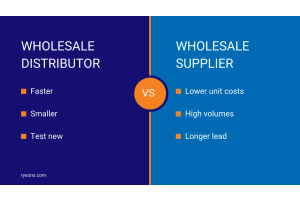
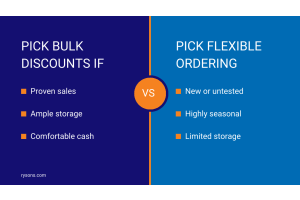
Minimum Order Quantities (MOQs)
Check the supplier's MOQs. Can you meet their minimum order requirements without overstocking? Consider your budget and storage capacity when assessing MOQs.
Pricing and Profit Margins
Obtain pricing information and calculate your potential profit margins after accounting for Amazon FBA fees, shipping costs, and other expenses. Ensure the margins are sufficient to make your business viable.
Product Quality
Order samples to assess the product quality. Read customer reviews (if available) and ask for product specifications to ensure they meet your standards. Consider ordering a small quantity of household products as a sample to evaluate the supplier.
Shipping and Logistics
Inquire about the supplier's shipping options and lead times. Do they offer direct shipping to Amazon FBA warehouses? What are their packaging standards? Efficient shipping and reliable logistics are crucial for Amazon FBA success.
Returns Policy
Understand the supplier's returns policy in case of damaged or defective products. A clear and fair returns policy protects your business from potential losses.
Payment Terms
Negotiate payment terms that work for your business. Common options include payment upon delivery, net terms (e.g., net 30), or upfront payment. Ensure the payment terms are clearly outlined in your agreement with the supplier.
Amazon FBA Compliance
Confirm that the supplier is familiar with Amazon FBA requirements, such as proper labeling and packaging guidelines. A supplier experienced with Amazon FBA can streamline the process and prevent potential issues.
Listing Products on Amazon
After selecting a suitable supplier, the next step is listing their products on Amazon. Here's a step-by-step guide:
Create an Amazon Seller Account
If you don't already have one, create an Amazon Seller Central account. Choose between an Individual or Professional plan based on your sales volume and business needs.
Product Research
Conduct thorough product research to identify high-demand, low-competition products. Use tools like Helium 10 or Jungle Scout to analyze market trends and identify profitable niches. Consider exploring toys or kitchen items as potential product categories.
Create Product Listings
Craft compelling product listings with high-quality images, detailed descriptions, and relevant keywords. Optimise your listings for search visibility to attract more customers.
- Title: Include relevant keywords and product features.
- Bullet Points: Highlight key benefits and features in a concise and easy-to-read format.
- Description: Provide detailed information about the product, its uses, and its benefits.
- Images: Use high-resolution images that showcase the product from different angles.
Set Pricing
Determine a competitive pricing strategy that balances profitability and sales volume. Consider your costs, competitor pricing, and perceived value when setting your prices.
FBA Preparation
Prepare your products for Amazon FBA according to Amazon's guidelines. This includes proper labeling, packaging, and shipping to Amazon fulfillment centers.
Launch and Promote
Launch your product listings and promote them using Amazon advertising (PPC) or external marketing channels. Monitor your sales performance and make adjustments as needed.
Building Long-Term Relationships
Establishing strong relationships with your wholesale suppliers is crucial for long-term success. Communicate regularly, be transparent, and treat them as partners. A reliable supplier can provide consistent product quality, competitive pricing, and valuable support. Consider exploring options for storage solutions or DIY tools to diversify your product offerings.
Key Considerations for UK Wholesalers
When working with UK wholesalers, keep these points in mind:
- VAT Registration: Ensure the supplier is VAT registered and can provide VAT invoices.
- Compliance: Verify that the supplier complies with all relevant UK regulations and standards.
- Communication: Establish clear communication channels and maintain regular contact.
- Contracts: Have written contracts in place that outline the terms and conditions of your agreement.
Scaling Your Amazon FBA Business
Once you've established a successful Amazon FBA business with reliable UK wholesale suppliers, you can start scaling your operations. This may involve expanding your product range, increasing your marketing efforts, or exploring new sales channels. Remember to continuously monitor your performance, adapt to market changes, and build strong relationships with your suppliers.
Ready to find reliable UK wholesale suppliers and start selling on Amazon FBA? Visit Rysons.com today to explore a wide range of products and discover how we can help you grow your business.