

5 Costly Mistakes New UK Retailers Must Avoid

Embarking on a new retail venture in the UK is an exhilarating journey, filled with the promise of building a brand, connecting with customers, and seeing your vision come to life. The dynamic UK market offers immense opportunities, but it also presents unique challenges. For new retailers, the path to success can often be fraught with unforeseen obstacles and costly missteps. Understanding and pre-empting these common errors is not just beneficial; it’s absolutely critical for establishing a robust foundation and ensuring long-term viability.
As a wholesaler deeply ingrained in the UK retail landscape, we’ve witnessed countless new businesses flourish and, sadly, some stumble. Many of these stumbles could have been avoided with better foresight and strategic planning. This guide is designed to shed light on five of the most significant and costly mistakes new retailers frequently make, offering practical advice on how to navigate around them. By learning from the experiences of others, you can optimise your journey, safeguard your investment, and confidently steer your retail business towards sustainable growth and profitability.
5 Costly Mistakes New UK Retailers Must Avoid
1. Poor Market Research and Niche Definition
One of the foundational errors new retailers make is failing to conduct thorough market research or, even with research, not defining a clear, viable niche. Launching a business based on a hunch or personal preference without understanding the target audience, competitive landscape, and market demand is akin to sailing without a compass. The UK market is diverse, but also highly saturated in many sectors. Simply opening ‘another clothing shop’ or ‘a general store’ without a unique selling proposition (USP) often leads to a struggle for differentiation and customer acquisition.

- Wasted Investment: Stocking products that don’t sell, investing in marketing that doesn’t resonate, and fitting out a space for a vague concept can quickly deplete capital.
- Lack of Identity: Without a defined niche, your brand struggles to stand out. Customers won’t understand what makes you special, leading to low footfall and online engagement.
- Intense Competition: Directly competing with established giants or numerous similar small businesses without a unique angle is an uphill battle, often resulting in price wars and unsustainable margins.
Before committing significant resources, invest time in comprehensive market research. Identify your ideal customer: their demographics, psychographics, spending habits, and pain points. Research your competitors – what are they doing well, and where are their gaps? Look for underserved segments or unique angles you can exploit. Your niche doesn’t have to be tiny, but it must be distinct and profitable. For example, instead of a general toy shop, consider a retailer specialising in educational toys for toddlers, or eco-friendly games for families. This clarity will inform every aspect of your business, from product sourcing to marketing.

2. Inefficient Inventory Management
Inventory is often the largest asset for a retail business, yet it’s also a common source of significant financial drain if not managed effectively. New retailers frequently fall into two traps: overstocking or understocking.
- Overstocking:
- Tied-up Capital: Money sitting on shelves as unsold stock can’t be used for other critical business needs like marketing or expansion.
- Storage Costs: Excessive inventory requires more space, leading to higher rent or warehousing fees.
- Obsolescence & Spoilage: Products can become outdated, damaged, or expire, leading to write-offs and direct losses.
- Discounting: To clear old stock, retailers are often forced to offer deep discounts, eroding profit margins.
- Understocking:
- Lost Sales: If a popular item is out of stock, customers will go elsewhere, potentially to a competitor, and may not return.
- Customer Dissatisfaction: Repeatedly finding desired items unavailable frustrates customers and damages your brand’s reputation.
- Missed Opportunities: You can’t capitalise on sudden demand or seasonal trends if you don’t have the stock.
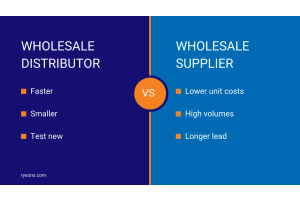
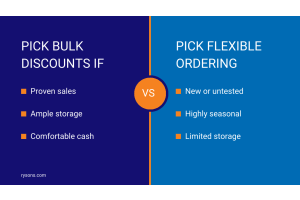
Implement robust inventory management systems from day one. This involves accurate sales forecasting, understanding lead times from your suppliers (like Rysons), and establishing reorder points. Start cautiously with initial stock levels and scale up as you gather sales data. Utilise wholesale partners like Rysons, who offer competitive pricing and often lower minimum order quantities, allowing you to test market demand without significant upfront risk. Consider diversifying your product range with popular items such as health & beauty essentials or practical household goods, which typically have consistent demand and lower risk of obsolescence, helping to balance your inventory risk profile.
3. Underestimating Operating Costs and Cash Flow
Many new retailers focus intensely on initial setup costs but underestimate the ongoing operational expenses and the critical importance of healthy cash flow. Unexpected costs, delayed payments, or slower-than-anticipated sales can quickly create a cash crunch, even for businesses that appear profitable on paper.
- Cash Flow Crisis: Inability to pay suppliers, rent, or staff on time can lead to operational paralysis and legal issues.
- Hidden Costs: Overlooking expenses like insurance, utilities, maintenance, payment processing fees, returns processing, or even the cost of packaging materials can lead to budget overruns.
- Under-capitalisation: Not having enough working capital to cover day-to-day operations during slower periods or unexpected events.
- Delayed Growth: Without sufficient cash, you can’t invest in marketing, new stock, or store improvements, hindering your ability to grow.
Develop a meticulous financial plan that includes not just startup costs but also a detailed breakdown of all recurring operational expenses. Create realistic sales projections and, crucially, a comprehensive cash flow forecast. Always factor in a contingency fund – ideally 3-6 months of operating expenses – to absorb unexpected shocks. Regularly review your financial statements and look for opportunities to optimise costs without compromising quality. Partnering with wholesalers that offer competitive pricing across a broad range of categories, from seasonal items to everyday essentials, can significantly help manage procurement costs and improve your margins, contributing positively to your overall cash flow. Always understand your payment terms and manage your accounts payable and receivable diligently.
4. Neglecting Customer Experience and Marketing
In today’s competitive retail landscape, simply having great products is often not enough. New retailers sometimes assume customers will magically find them, or they underinvest in creating a compelling customer experience and effective marketing. This oversight can severely limit reach, loyalty, and ultimately, sales.
- Low Customer Retention: A poor experience – be it unfriendly staff, a cluttered store, or a difficult online checkout – means customers won’t return, and word-of-mouth will be negative.
- Limited Brand Awareness: Without consistent marketing, potential customers won’t know your business exists or what you offer.
- Stagnant Sales: Relying solely on organic discovery in a crowded market leads to slow growth and difficulty in scaling.
- Inability to Compete: Established retailers often have sophisticated marketing campaigns and well-honed customer service. Neglecting these areas leaves new businesses at a significant disadvantage.
Prioritise creating an exceptional customer experience, both in-store and online. Train staff to be knowledgeable and approachable. Ensure your store is clean, well-organised, and inviting. For online retailers, invest in a user-friendly website and efficient delivery. Develop a multi-channel marketing strategy that includes social media, local SEO, email marketing, and perhaps local community engagement. Encourage reviews and feedback, and actively respond to them. Building a strong brand takes time and consistent effort. Consider offering unique value-adds, like loyalty programmes or exclusive events. For instance, offering a diverse range of pound lines can attract budget-conscious customers, driving footfall and providing opportunities to upsell higher-margin items, enhancing the overall shopping experience.
5. Incorrect Pricing Strategy
Setting the right prices for your products is a delicate balancing act. Many new retailers either price too high, deterring customers, or too low, eroding their profit margins and devaluing their brand. A common mistake is to simply match competitor prices without fully understanding your own cost structure.
- Lost Sales & Revenue: Pricing too high can drive customers to cheaper alternatives, reducing your sales volume.
- Reduced Profit Margins: Pricing too low means you’re leaving money on the table, and potentially not covering all your costs, leading to unprofitability even with high sales.
- Brand Perception Issues: Consistently low pricing can position your brand as ‘cheap’ or ‘low quality’, making it difficult to attract customers seeking premium products. Conversely, pricing too high without perceived value can lead to frustration.
- Cash Flow Problems: Insufficient margins mean less cash generated per sale, exacerbating cash flow challenges.
Develop a pricing strategy based on a clear understanding of your costs (including product cost, shipping, overheads, and marketing), your target profit margin, and your perceived value. Research competitor pricing, but don’t blindly follow it. Consider different pricing models: cost-plus, value-based, competitive pricing, or psychological pricing. Test different price points if possible. Be transparent with your pricing and offer clear value propositions. Regularly review your pricing strategy in response to market changes, supplier costs, and customer feedback. Sourcing wholesale from reliable partners like Rysons allows you to secure competitive unit costs, which provides greater flexibility in your pricing strategy, whether you’re aiming for volume with stationery & books or higher margins on specialty items.
Conclusion
Launching a new retail business in the UK is a significant undertaking, but by proactively addressing these five common and costly mistakes, you can significantly enhance your chances of success. Thorough market research, meticulous inventory control, sound financial planning, a relentless focus on customer experience, and a strategic pricing approach are not just best practices; they are foundational pillars for any thriving retail enterprise. Remember, every challenge is an opportunity to learn and refine your approach.
Equip your business with the right knowledge and the right partners. For a vast selection of quality wholesale products to help you build a diverse and appealing inventory, explore the extensive range available at Rysons.com. Partner with us to avoid common pitfalls and build a prosperous retail future.