

Basic vs Novelty: Which Hot Water Bottles to Stock?

Boiling a kettle costs approximately 4p and provides hours of heat. That single statistic from Winter Ready (September 2026) explains why major UK department stores and online marketplaces recorded a 22% increase in demand for premium and extended-length hot water bottles early this year. With domestic energy prices remaining 15% above pre-2022 averages, consumers are preparing for another expensive winter. For independent retailers, the question is no longer whether to stock these items, but which variations will deliver the best sell-through and margin.
The Winter Market Context for 2027
Market trends show growing demand for hot water bottles driven by eco-friendly appeal and rising heating costs, as noted by Medical Corner 24. Shoppers are actively looking for seasonal items that offer immediate, tangible savings on their utility bills. However, a shop owner should buy narrow and deep on proven sellers, not wide and shallow across novelty lines. Deciding exactly which types of hot water bottles to put on your shelves requires understanding the distinct customer base for each tier.
Standard Rubber vs. Plush Covered: How to Choose
The core decision for any buyer sourcing hot water bottle bulk stock is the split between standard utility bottles and premium covered variations. Here is how to decide which lines deserve your shelf space.
Featured Wholesale Products
Option A: Standard Uncovered Rubber Bottles
These are the traditional ribbed rubber bottles sold without a fabric cover. They represent the lowest entry price point for consumers and require minimal display space.
- Pick standard uncovered bottles if: You run a discount store, hardware shop, or market stall where customers prioritise absolute utility over aesthetics.
- Pick standard uncovered bottles if: Your primary demographic is budget-conscious shoppers looking for cheap, practical cold weather essentials.
- Pick standard uncovered bottles if: You have limited shelf space and need to stack inventory densely.
The trade-off here is margin. While volume is high, the cash profit per unit is low. You are competing purely on price, which means your wholesale sourcing must be extremely tight.
Option B: Premium Faux Fur and Novelty Covers
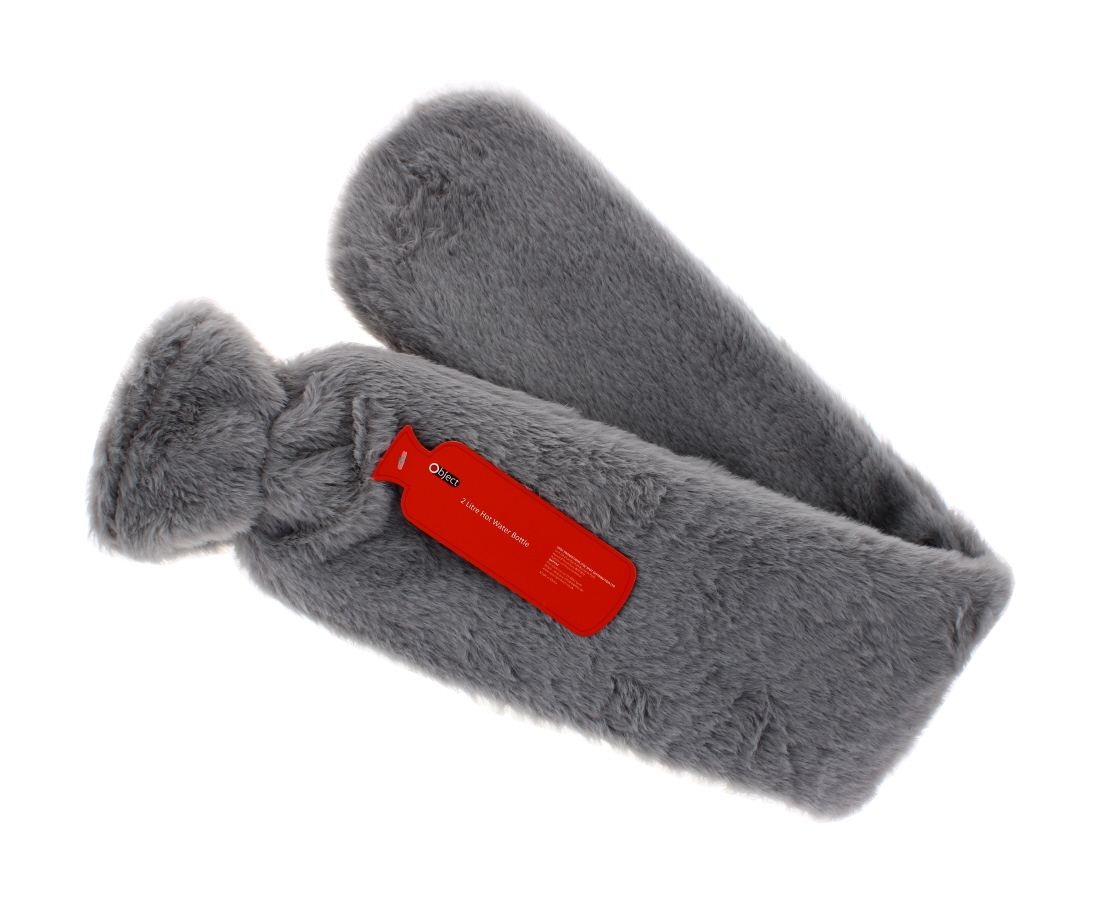
Multiple online listings highlight custom covers—such as plush, faux fur, knitted, and fleece—as key sales drivers on retail pages. A prime example is the Cosy Faux Fur Large Hot Water Bottle – 2L. These products shift the item from a basic utility purchase to a lifestyle or gift purchase.
- Pick premium covered bottles if: You operate a garden centre, gift shop, or pharmacy where higher perceived value drives impulse purchases.
- Pick premium covered bottles if: You want to capture the Q4 gifting market. A Cosy Faux Fur Large Hot Water Bottle – 2L commands a significantly higher retail price, offering much better margin protection.
- Pick premium covered bottles if: You sell online and need visually appealing products to stand out in crowded marketplace search results.
The higher retail price absorbs shipping costs better for e-tailers, making premium covers the dominant choice for online winter comfort wholesale strategies.
Cross-Merchandising Your Winter Warmers
Selling a hot water bottle in isolation leaves money on the table. Effective retailers group their cold weather stock to encourage multi-buy purchases. When a customer is looking for warmth, they are highly receptive to complementary items.
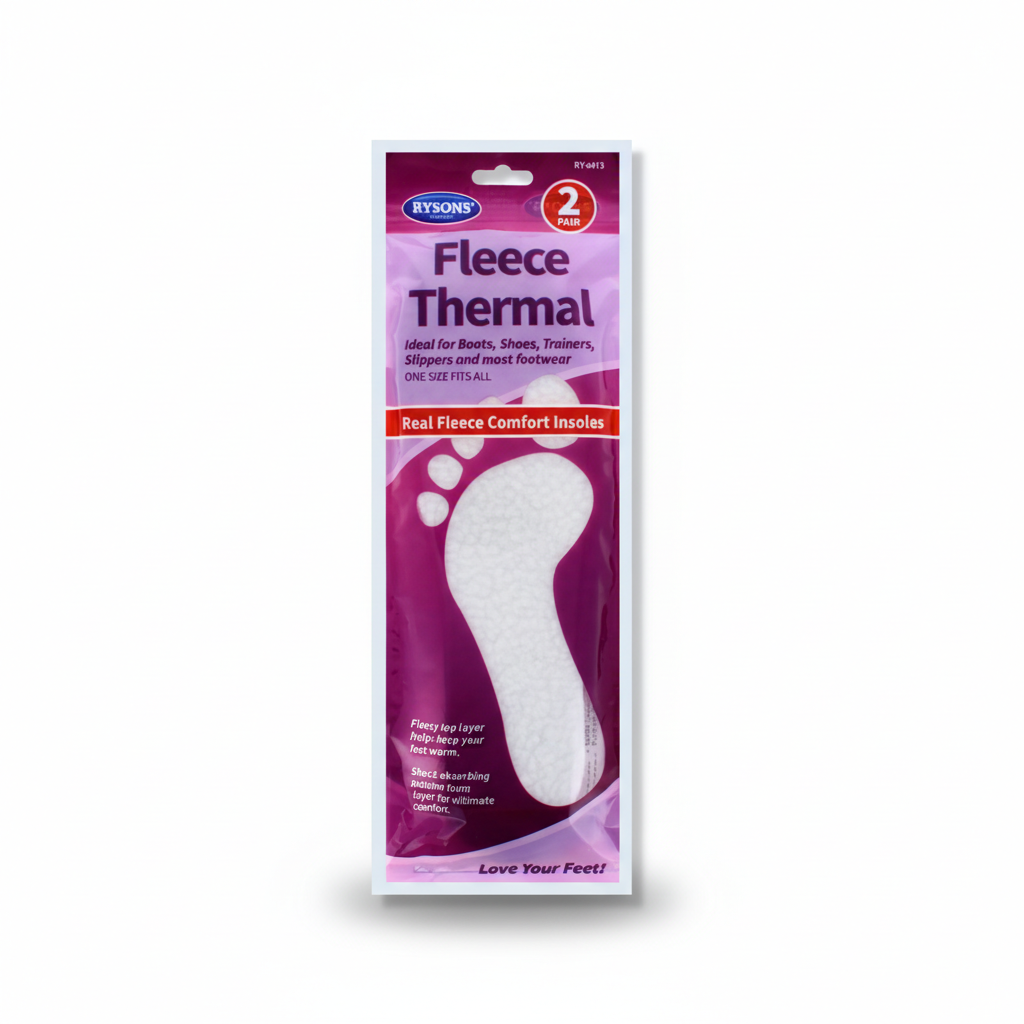
- Pick till-point thermals if: You want to capture impulse spend. Stocking Fleece Thermal Insoles 2 Pairs One Size Fits All next to your hot water bottles targets the exact same customer need. They take up minimal space and offer excellent markup.
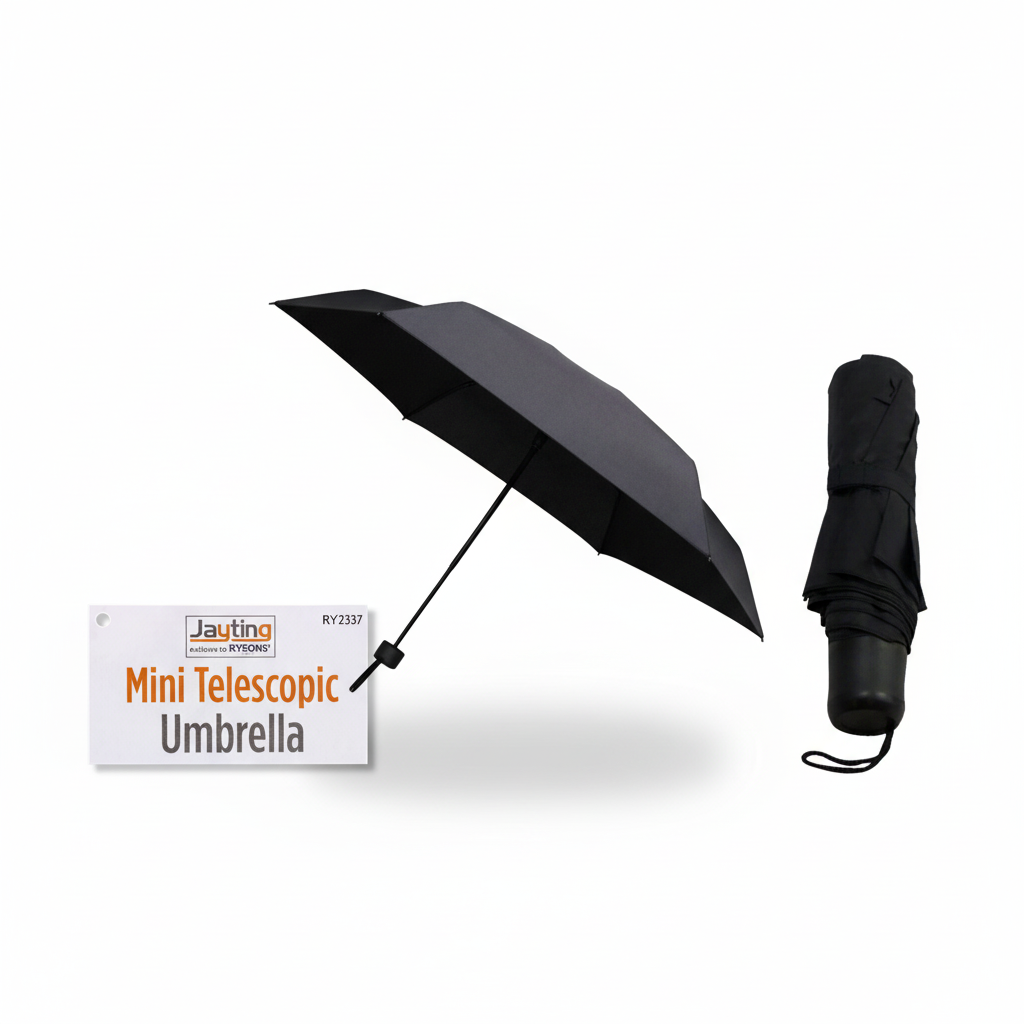
- Pick wet weather gear if: Your store serves commuters or high street foot traffic. Displaying a Compact Folding Umbrella alongside your winter warmth range creates a comprehensive seasonal survival display, turning a single purchase into a basket of home & garden essentials.
The Reorder Trap: Securing Q4 2026 / Q1 2027 Stock
If you search for wholesale suppliers right now, every ranking page will emphasise novelty covers and seasonal timing. They will show you carton quantities and prices. What they all miss is the operational reality of mid-season restocking.
Wholesaler pages consistently fail to publish information on minimum advance ordering windows, December cut-off dates for January delivery, or typical restocking delays during peak season. Trade buyers need specific dates to avoid stockouts in December when demand peaks. Relying on next-day delivery in the middle of a January cold snap is a guaranteed way to lose sales.
Seasonal stock is bought too late by most independents — the money is made by ordering while the season is still a month away. If you are importing directly from Asian suppliers, you must account for minimum advance ordering windows. If you are buying from a UK distributor, you must factor in the December logistics bottleneck. Freight networks slow down significantly in the two weeks before Christmas. If you wait until your hot water bottles sell out in mid-December to reorder, your replacement stock will likely not arrive until the second week of January, causing you to miss the most profitable trading weeks of the year.
To protect your margins, secure your core January and February inventory before December cut-off dates. Treat any mid-December orders strictly as top-ups for unexpected surges, not as your primary replenishment strategy.
Winter Stocking Checklist
Before the first major frost, ensure your store is prepared with this practical checklist:
- Audit early: Count your carry-over winter stock from last year to identify gaps.
- Balance the range: Balance your range between premium covered bottles (like faux fur) and basic utility bottles to protect margins while serving budget buyers.
- Set reorder triggers: Establish a strict minimum stock level that automatically triggers a reorder, rather than waiting for shelves to empty.
- Plan the display: Group hot water bottles, fleece insoles, and umbrellas together in a high-traffic area away from your standard clearance bins.
- Confirm December cut-offs: Speak to your supplier early to confirm their final dispatch dates for pre-Christmas delivery.
Frequently Asked Questions
Does bottle quality and longevity really matter for a seasonal item?
Yes. The difference between bottles lasting five winters versus splitting in January depends entirely on the rubber type and adherence to safety standards. Stocking non-compliant, ultra-cheap bottles leads to high return rates and potential safety liabilities that wipe out any initial margin savings.
What is the most effective product mix strategy for 2027?
Consumers are increasingly prioritising sustainable fillings and recycled fleece covers. While traditional rubber remains the volume driver, mixing in eco-friendly materials and plush covers allows you to capture the growing demographic of environmentally conscious shoppers willing to pay a premium.
How early should I put winter stock on the shop floor?
Retailers should phase in winter stock early. Early visibility establishes your store as a destination for winter essentials, so when the first cold snap hits, customers already know you carry the products they need.

Ready to Secure Your Winter Margins?
Choosing the right mix of basic and premium hot water bottles is the foundation of a profitable winter season. By ordering early and understanding the distinct appeal of faux fur covers versus traditional rubber, you can avoid the Q4 stockouts that plague unprepared retailers. To browse a complete range of trade-priced winter essentials and secure your inventory before the cold weather rush, visit Rysons.com today.