

Boost Sales: The Power of Three Price Points
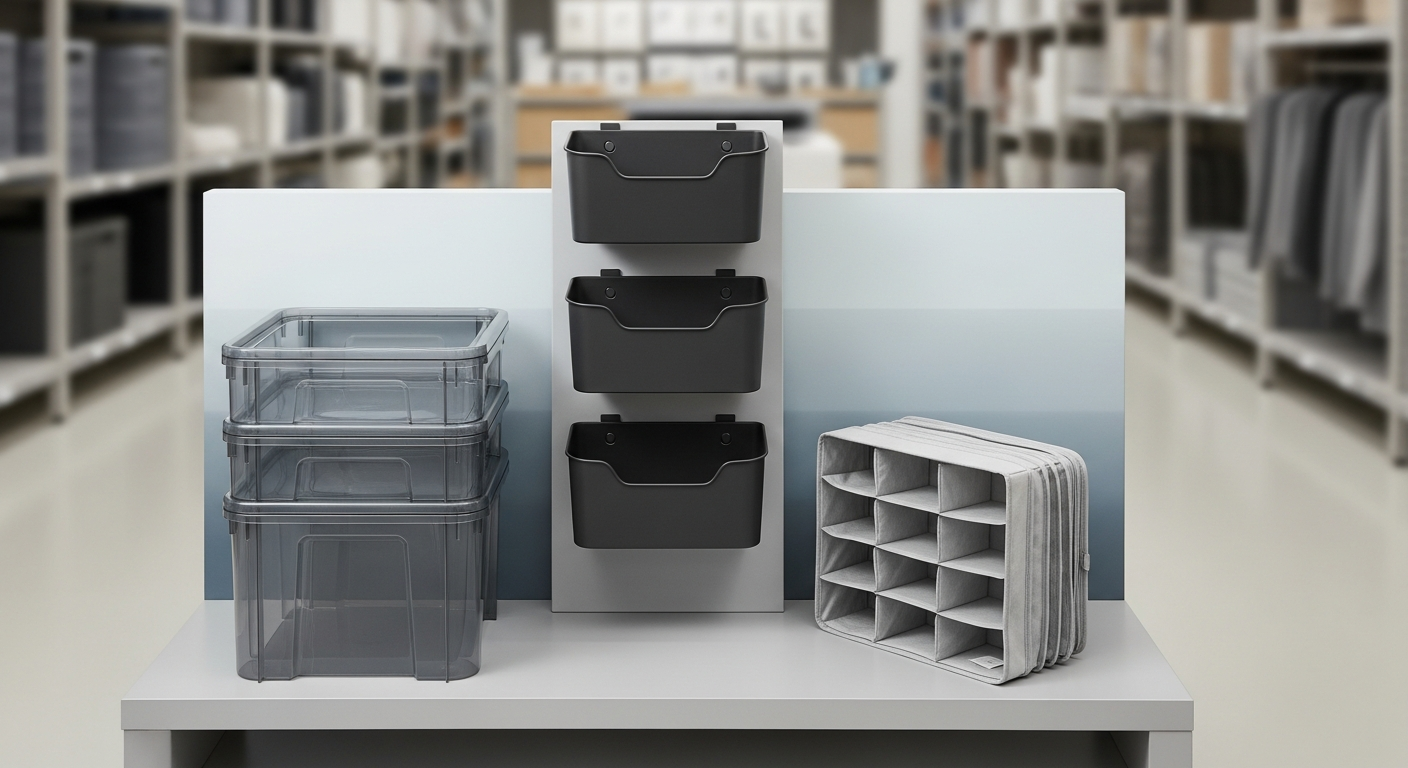
Boost Sales: The Power of Three Price Points
In the competitive world of wholesale B2B, optimising your pricing strategy is crucial for maximising profit margins and driving sales. One effective technique that leverages retail psychology is price anchoring. By strategically displaying three different price points for similar products, you can influence customer perception, increase average transaction value, and ultimately boost your bottom line. This post explores how you can implement this powerful strategy.
Understanding Price Anchoring
Price anchoring is a cognitive bias where customers rely heavily on the first piece of information they receive (the "anchor") when making decisions. In a retail context, this anchor is often the first price they see for a particular product category. Subsequent prices are then judged relative to this initial anchor.
For example, if a customer sees a high-priced item first, a moderately priced item will seem like a better value, even if it's more expensive than they initially intended to spend. This is because the higher price sets a reference point, making the middle option appear more appealing.
The Power of Three Price Points
Why three price points? Offering three options allows you to cater to different customer segments and budgets while simultaneously leveraging the anchoring effect. Here's how it works:
- High-Priced Option (Premium): This option serves as the anchor. It's typically the highest quality, most feature-rich product in the category. While not everyone will purchase this option, it makes the other two options appear more affordable and attractive. Consider showcasing your best household products or top-of-the-line garden supplies as your premium offerings.
- Mid-Priced Option (Popular): This is your sweet spot. It offers a good balance of features and price, making it the most popular choice for many customers. This option benefits the most from the anchoring effect of the high-priced option. Position this as the "best value" or "most popular" choice.
- Low-Priced Option (Entry-Level): This option caters to budget-conscious customers. While it may have fewer features or lower quality, it provides an accessible entry point into your product range. It also makes the mid-priced option look even more appealing by comparison. Think of your basic cleaning products or simple kitchen items.
Implementing a Three-Tier Pricing Strategy
Here's a step-by-step guide to implementing a three-tier pricing strategy in your B2B wholesale business:
1. Product Selection
Choose product categories where you can offer variations in quality, features, or quantity. Good candidates include storage solutions, DIY tools, or even party supplies. Identify a premium, mid-range, and entry-level option within each category.
2. Price Setting
Carefully determine the price points for each option. The high-priced option should be significantly more expensive than the mid-priced option to create a strong anchoring effect. The difference between the mid-priced and low-priced options should be smaller, making the mid-priced option seem like a worthwhile upgrade.
3. Merchandising and Presentation
The way you present your products is crucial. Display the three options side-by-side, or in close proximity, to encourage comparison. Clearly highlight the key features and benefits of each option, and emphasize the value proposition of the mid-priced option.
4. Highlighting Value
Use clear and concise descriptions to explain the benefits of each product. Emphasise the quality and features of the premium product, the value for money of the mid-range product, and the affordability of the entry-level product.
5. Psychological Pricing Techniques
Consider using psychological pricing techniques to further enhance the perceived value of your products. For example, using prices that end in .99 can make a product seem cheaper than it actually is. Offering discounts or promotions on the mid-priced option can also incentivize customers to choose this option.
Benefits of Price Anchoring
Implementing a three-tier pricing strategy can offer several benefits for your wholesale B2B business:
- Increased Average Transaction Value: By encouraging customers to trade up to the mid-priced or high-priced option, you can increase the average amount they spend per transaction.
- Improved Perceived Value: The anchoring effect can make your products seem more valuable, even if they are priced similarly to competitors.
- Cater to Different Customer Segments: Offering a range of options allows you to appeal to customers with different budgets and needs.
- Enhanced Profit Margins: By strategically pricing your products, you can optimise your profit margins and increase your overall profitability.
- Simplified Decision Making: Presenting clear choices helps customers make a decision more easily, reducing purchase paralysis.
Examples in Action
Let's consider some examples of how you can apply this strategy to different product categories:
- Pet Supplies: Offer a basic dog bed, a mid-range orthopedic dog bed, and a premium memory foam dog bed. The high price of the memory foam bed makes the orthopedic bed seem like a reasonable compromise.
- Office Supplies: Provide basic stationery sets, mid-range sets with extra features, and premium executive sets with high-quality materials.
- Tools: Offer a basic set of hand tools, a mid-range set with more variety, and a premium set with professional-grade tools and a durable case.
Potential Pitfalls to Avoid
While price anchoring can be a powerful tool, it's important to avoid these common pitfalls:
- Too Much Difference in Price: If the price difference between the tiers is too extreme, it can deter customers from considering the higher-priced options altogether.
- Poor Product Quality: Ensure that all three options offer reasonable quality for their price point. Offering a low-quality product just to create a price anchor can damage your reputation.
- Lack of Clear Differentiation: Clearly communicate the differences in features and benefits between each option. Customers need to understand why the higher-priced options are worth the extra cost.
Conclusion
Price anchoring is a simple yet powerful pricing strategy that can significantly impact your wholesale B2B sales. By strategically displaying three different price points, you can influence customer perception, increase average transaction value, and boost your profit margins. Remember to carefully select your products, set your prices strategically, and present your options in a way that highlights their value. Explore Rysons.com today to find the perfect products to implement your new pricing strategy and start seeing the results!