

Mastering Dead Stock: A UK Wholesale Guide

In the dynamic world of UK wholesale, managing inventory efficiently is paramount to profitability. Yet, a silent killer often lurks in warehouses and stockrooms across the country: dead stock. This article delves into the complexities of dead stock, offering practical strategies for its prevention and effective clearance, ensuring your business remains agile and profitable.
Understanding Dead Stock: More Than Just 'Old' Inventory
Dead stock, also known as obsolete or slow-moving inventory, refers to products that have remained unsold for an extended period, typically six months to a year, and are unlikely to sell at full price, if at all. For B2B wholesalers, this isn't merely an inconvenience; it's a significant drain on resources.
What Exactly is Dead Stock?
It's crucial to distinguish dead stock from simply 'slow-moving' items. While slow-moving stock eventually sells, albeit at a slower pace, dead stock has effectively ceased to move. It occupies valuable space, ties up capital, and accrues additional holding costs. Recognising it early is the first step towards mitigation.

Common Causes of Dead Stock
Dead stock doesn't appear overnight. It's usually the result of several factors:
- Poor Forecasting: Overestimating demand for certain products.
- Seasonal or Trend-Based Items: Products, especially seasonal items, that quickly become irrelevant after their peak period.
- Product Obsolescence: New models or technologies making existing stock outdated.
- Supplier Issues: Minimum order quantities leading to excess stock, or late deliveries missing market windows.
- Marketing Missteps: Products failing to resonate with the target audience despite initial projections.
- Damaged or Defective Goods: Stock that is unsellable due to quality issues.
The True Cost of Dead Stock for UK Wholesalers
The impact of dead stock extends far beyond the initial purchase price. It erodes profitability and operational efficiency in multiple ways.

Financial Drain
The most immediate and obvious cost is financial. Dead stock represents capital that is tied up and cannot be reinvested into more profitable inventory. This leads to:
- Lost Opportunity Cost: The money could have been used to purchase fast-moving items or invest in business growth.
- Holding Costs: These include warehouse rent, insurance, utilities, and security. The longer stock sits, the more it costs.
- Depreciation: The value of the goods diminishes over time, especially for electronics or fashion items.
- Write-Offs: Eventually, dead stock may need to be written off entirely, resulting in a direct loss.
Operational Inefficiencies
Dead stock also creates operational bottlenecks:
- Reduced Warehouse Space: Valuable storage space is occupied by unsellable items, potentially forcing businesses to rent additional, costly space or limit new, profitable inventory. Efficient storage solutions are key to optimising space.
- Increased Labour Costs: Staff spend time managing, moving, and re-counting dead stock, diverting resources from productive tasks.
- Inventory Management Complexity: Dead stock complicates inventory audits and forecasting, making future planning more difficult.
Reputation and Brand Damage
While less tangible, the impact on reputation can be significant. Constantly having outdated or clearance stock can give the impression of poor management or a lack of innovation, potentially deterring future buyers.
Proactive Prevention: Stopping Dead Stock Before It Starts
The best strategy for dealing with dead stock is to prevent it from accumulating in the first place. This requires a robust, data-driven approach to inventory management.
Robust Inventory Management Systems
Investing in advanced inventory management software is crucial. These systems can provide real-time data on stock levels, sales trends, and product performance. Key features include:
- Automated Reordering: Setting minimum and maximum stock levels to trigger reorders.
- Centralised Data: Integrating sales, purchasing, and warehousing data for a holistic view.
- ABC Analysis: Categorising inventory based on its value and sales velocity (A-items being high-value, fast-moving; C-items being low-value, slow-moving).
Accurate Forecasting and Demand Planning
Precision in forecasting is vital. Utilise historical sales data, market trends, economic indicators, and even competitor analysis to predict future demand. Collaborate with your sales team to gather insights directly from customers. For broad categories like home & garden, understanding seasonal shifts and emerging lifestyle trends is especially important.
Strategic Sourcing and Supplier Relationships
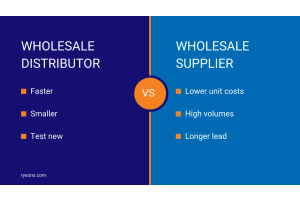
Work closely with your suppliers. Negotiate flexible order quantities, shorter lead times, and favourable return policies where possible. A strong relationship can allow for more agile purchasing decisions and reduce the risk of overstocking.
Product Lifecycle Management
Understand the typical lifecycle of your products. Plan for their eventual decline and introduce new products strategically. This involves:
- Phased Introduction: Gradually introducing new products to test the market.
- Controlled Discontinuation: Planning for the end-of-life of products well in advance, running down stock rather than replenishing.
Effective Clearance Strategies for Existing Dead Stock
Even with the best prevention strategies, some dead stock is inevitable. The key is to act quickly and decisively to minimise losses.
Aggressive Pricing and Discounts
The longer dead stock sits, the less it's worth. Be prepared to cut prices significantly to move it. Consider:
- Flash Sales: Short-term, high-discount promotions.
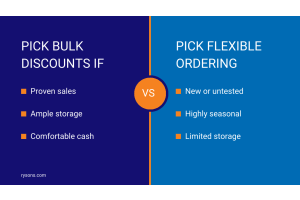
- Tiered Discounts: Larger discounts for bulk purchases.
- Employee Sales: Offering discounted stock to staff.
- Liquidators: Selling to specialist clearance companies who can take large volumes off your hands, albeit at a steep discount.
Bundling and Cross-Selling Opportunities
Pair dead stock with popular, fast-moving items. For example, offer a free slow-moving accessory with the purchase of a high-demand product. Alternatively, create attractive bundles of related items, perhaps combining a dead stock item with a popular pound line product to sweeten the deal.
Exploring Alternative Sales Channels
Think beyond your usual channels:
- Online Marketplaces: Platforms like eBay or Amazon can be effective for clearing smaller quantities.
- Outlet Stores/Pop-up Shops: If you have a retail arm, dedicate a space to clearance.
- Wholesale to Smaller Retailers: Offer a special deal to independent shops or market traders who might be interested in discounted stock.
- Export Markets: Sometimes, products that are dead stock in the UK might have demand in other regions.
Repurposing or Donating
If sales aren't an option, consider:
- Repurposing: Can the product be broken down and its components reused? Or can it be rebranded or modified?
- Donation: Donating to charities can provide a tax write-off and improve your company's social responsibility profile. This should be a last resort, as the primary goal is to recover capital.
Wholesale Clearance Specialists
For large volumes of dead stock, engaging with dedicated wholesale clearance specialists can be the most efficient solution. These companies are experts at moving unwanted inventory quickly, allowing you to free up warehouse space and capital. While the recovery value might be lower than direct sales, the speed and convenience often outweigh the difference.
Learning from Your Losses: Turning Dead Stock into Future Insights
Every instance of dead stock, while costly, is a learning opportunity. It's vital to conduct a post-mortem analysis to understand why it occurred and implement changes to prevent recurrence.
Post-Mortem Analysis
When you identify dead stock, ask:
- What were the initial sales forecasts, and why were they inaccurate?
- Was there a shift in market demand or a new competitor?
- Were there issues with product quality or marketing?
- Could our purchasing strategy have been more agile?
Document these findings and share them across your purchasing, sales, and marketing teams.
Continuous Improvement
Use the insights gained to refine your processes. This might involve:
- Adjusting forecasting models.
- Implementing stricter supplier agreements.
- Diversifying your product range.
- Reviewing product lifecycles more frequently.
- Cross-training staff in inventory management best practices.
Dealing with dead stock is an ongoing challenge for any UK wholesale business. By adopting proactive prevention strategies and having a clear plan for effective clearance, you can minimise financial losses, optimise operations, and maintain a healthy, profitable inventory. Don't let dead stock silently erode your bottom line; take control and turn potential losses into valuable lessons for future growth. For all your wholesale needs, from fast-moving lines to smart storage solutions, explore the extensive range at Rysons.com.