

Rates Rise: Boost Your Retail Shop's Profit Strategy

The economic landscape for UK retailers is constantly shifting, and recent interest rate rises have added another layer of complexity to an already challenging environment. For B2B wholesale customers, these changes directly impact your operational costs, consumer spending patterns, and ultimately, your profit margins. It's no longer enough to simply sell products; a proactive and strategic approach to managing your business is essential for not just surviving, but thriving. This post will delve into practical, actionable strategies designed to help UK retailers protect and even enhance their profitability in the face of rising rates.
Understanding the Economic Landscape
Before we dive into solutions, it's crucial to understand the forces at play. Rising interest rates, while intended to curb inflation, often lead to increased borrowing costs for businesses and reduced discretionary spending for consumers. This creates a dual pressure point for retailers: higher operational expenses and potentially lower sales volumes. Understanding these dynamics is the first step towards developing a robust profit strategy.
The Impact on Consumers
Consumers are feeling the pinch. Mortgage payments are rising, the cost of living remains high, and confidence can waver. This means they are more discerning with their purchases, prioritising essentials and seeking better value. Retailers must adapt by ensuring their product offerings align with these evolving consumer behaviours.
The Impact on Businesses
For retailers, higher rates can mean more expensive credit for inventory, expansion, or day-to-day operations. Energy costs, wages, and supplier prices may also be on an upward trajectory. Managing these increasing overheads without passing on prohibitive costs to customers requires careful planning and efficient execution.

Strategic Stock Management: The Core of Profitability
Effective inventory management is paramount when every penny counts. Holding too much stock ties up capital, incurs storage costs, and risks obsolescence. Too little, and you miss sales opportunities. The goal is to strike a delicate balance.
Optimising Inventory Levels
- Analyse Sales Data: Use historical sales data to forecast demand accurately. Identify best-sellers and slow-movers.
- Implement Just-In-Time (JIT) Principles: Where feasible, reduce lead times and order smaller quantities more frequently to minimise holding costs. This is particularly effective for fast-moving items.
- Categorise Stock: Use ABC analysis (A-items are high value, B-items medium, C-items low) to prioritise management efforts. Focus on optimising the flow of your most valuable stock.
Sourcing Smartly
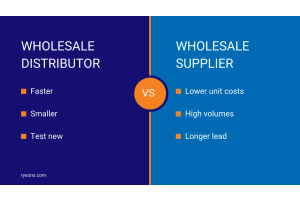
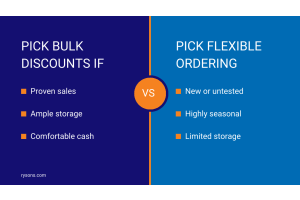
Your wholesale suppliers are key partners in managing costs. Negotiate favourable terms, explore bulk discounts, and consider diversifying your supplier base to mitigate risks. Look for wholesalers who offer competitive pricing across a broad range of categories, from everyday cleaning supplies to seasonal toys & games, allowing you to consolidate orders and potentially reduce shipping costs.
Don't overlook the potential of clearance sections from your wholesale partners. These can offer significant savings on quality products, allowing you to boost your margins or offer attractive promotions to your customers. Similarly, exploring pound lines can provide excellent value propositions for price-sensitive consumers, maintaining footfall and basket size.
Optimising Your Pricing Strategy
Pricing is a powerful lever, but it must be used judiciously. Raising prices too aggressively can deter customers, while not raising them at all erodes margins. The key is value-based pricing.
Value-Based Pricing
Instead of merely applying a standard markup, consider the perceived value of your products to the customer. Can you package items together to offer more value? Are there premium options that justify a higher price point? For instance, bundling essential health & beauty items can be perceived as better value than selling them individually, even if the total price is slightly higher.
Dynamic Pricing and Promotions
- Monitor Competitors: Stay aware of competitor pricing, but don't just match them. Understand their value proposition versus yours.
- Strategic Discounts: Use promotions to move slow-moving stock or to drive traffic during quieter periods. Avoid constant discounting, which can devalue your brand.
- Loyalty Programmes: Reward loyal customers with exclusive offers or early access to sales. This encourages repeat business without broad price reductions.
Controlling Operational Costs
Beyond stock, scrutinise every aspect of your business for cost-saving opportunities. Small savings across multiple areas can add up to significant improvements in your bottom line.
Energy Efficiency
With energy prices remaining volatile, investing in energy-efficient lighting, heating, and cooling systems can yield long-term savings. Simple habits like switching off lights and equipment when not in use also contribute.
Staffing and Productivity
Review staffing levels to ensure they align with demand. Invest in training to improve productivity and efficiency, empowering your team to handle tasks more effectively. Consider flexible working arrangements where appropriate to optimise staff utilisation.
Negotiating with Suppliers and Service Providers
Don't just focus on product suppliers. Review contracts with your utility providers, insurance companies, payment processors, and logistics partners. Always be prepared to negotiate or switch providers if better terms are available. A healthy relationship with your wholesale partners, such as those offering diverse ranges like stationery & books alongside household goods, can also lead to better overall terms due to larger order volumes.
Enhancing Customer Value and Loyalty
Retaining existing customers is often more cost-effective than acquiring new ones. In a challenging economic climate, fostering loyalty is a critical profit strategy.
Exceptional Customer Service
Go above and beyond. Friendly, knowledgeable staff and efficient problem-solving create memorable experiences that encourage repeat visits and positive word-of-mouth referrals. Personalised service can make a significant difference, especially for smaller independent retailers.
Building Community
Create a sense of community around your shop. Host local events, collaborate with other local businesses, or use social media to engage with your customers beyond just selling. A strong community connection can build resilience during tough times.
Feedback Loops
Actively seek customer feedback through surveys, suggestion boxes, or direct conversations. Use this insight to improve your product offering, service, and overall shopping experience. Understanding what your customers truly value allows you to focus your efforts where they will have the greatest impact.
Leveraging Wholesale Partnerships
Your relationship with your wholesale supplier is more than just transactional; it's a partnership that can significantly impact your profitability. A good wholesaler understands the pressures you face and offers solutions.
Diverse Product Ranges
Partnering with a wholesaler that offers a vast and varied product range means you can consolidate your purchasing. This often leads to better shipping rates, simpler logistics, and the ability to meet diverse customer needs from a single source. Imagine being able to stock everything from seasonal decorations to everyday household essentials from one reliable partner.
Reliable Supply Chain
Consistent stock availability is vital. Choose wholesalers with robust supply chains that can deliver products reliably and efficiently, minimising the risk of lost sales due to out-of-stock items. This is especially important for popular items that drive footfall.
Support and Resources
Look for wholesalers who offer more than just products. Do they provide market insights, merchandising tips, or special promotions? These added values can be invaluable in helping you navigate market changes and optimise your sales strategies.
Conclusion
Rising interest rates and economic uncertainty present undeniable challenges for UK retailers. However, by adopting a proactive and strategic approach to stock management, pricing, cost control, and customer loyalty, your business can not only withstand these pressures but emerge stronger. Focus on efficiency, value, and strong partnerships. Review your operations regularly, adapt swiftly to market changes, and always keep your customer at the heart of your strategy. By doing so, you can protect your profit margins and ensure the long-term success of your retail venture.
For a comprehensive range of wholesale products designed to help UK retailers thrive, explore the extensive selection at Rysons.com. Partner with us to optimise your stock and boost your profitability today.