

Retailers: Adapting to Higher Shop Prices Now

The economic landscape in the UK has undergone significant shifts in recent years, with inflation emerging as a persistent challenge for businesses and consumers alike. For UK wholesale B2B suppliers and the retailers they serve, understanding and adapting to higher shop prices is no longer an option, but a necessity. This post delves into practical strategies for retailers to not only survive but thrive in this evolving environment, ensuring customer loyalty and sustained profitability.
Understanding the Current Landscape
Inflationary pressures are multifaceted, impacting everything from raw material costs and manufacturing to logistics and energy. For retailers, this translates directly into increased operational expenses and, subsequently, higher wholesale prices from suppliers. Passing these costs onto the consumer is often unavoidable, leading to the higher shop prices we see today.
Consumer behaviour is, predictably, shifting. Discretionary spending is tightening, and shoppers are becoming more discerning, actively seeking better value and making more considered purchasing decisions. Retailers must acknowledge this change and recalibrate their approach to product sourcing, pricing, and customer engagement.
The Impact on UK Retailers
The immediate impact of inflation and higher shop prices on UK retailers includes:
- Reduced Profit Margins: Unless price increases are fully passed on, margins can shrink significantly.
- Decreased Sales Volume: Consumers buying less, or trading down to cheaper alternatives.
- Increased Stockholding Costs: Higher costs for acquiring and holding inventory.
- Operational Challenges: Rising energy bills, labour costs, and supply chain disruptions.
However, this challenging environment also presents opportunities for agile and innovative retailers to differentiate themselves and build stronger customer relationships.

Strategies for Retailers: Adapting to Higher Shop Prices
Successful adaptation hinges on a multi-pronged approach that addresses both the cost side of the equation and the consumer's evolving needs. Here are key strategies for UK retailers.
1. Optimising Stock Management and Sourcing
In an inflationary period, inefficient stock management can be particularly costly. Retailers must become experts in forecasting demand and optimising inventory levels.
- Data-Driven Forecasting: Utilise sales data, seasonal trends, and economic indicators to predict demand more accurately. This minimises overstocking (which ties up capital) and understocking (which leads to lost sales).
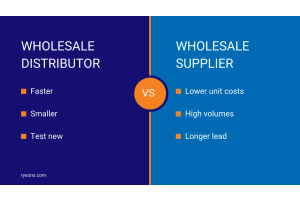
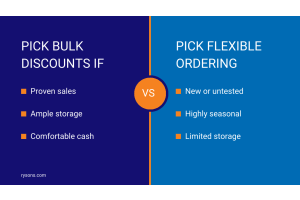
- Strategic Sourcing: Work closely with wholesale partners to understand their pricing structures and explore bulk purchasing discounts where feasible. Consider diversifying suppliers to mitigate risk and potentially find more competitive pricing. At Rysons, for instance, we offer a wide range of products, from household essentials to stationery & books, allowing retailers to consolidate orders and streamline their supply chain.
- Focus on Fast-Moving Lines: Prioritise stocking items with high turnover to maintain cash flow and reduce the risk of holding depreciating inventory.
- Clearance and Promotions: Effectively manage end-of-line or slow-moving stock through strategic clearance sales. This frees up capital and shelf space for more profitable items. Explore wholesale clearance UK options to find opportunities.
2. Enhancing Value Proposition
Consumers are acutely aware of price, but value extends beyond the numerical tag. Retailers can enhance their value proposition in several ways:
- Curated Product Assortment: Offer a mix of premium, mid-range, and budget-friendly options. This caters to a wider customer base and allows shoppers to find products that fit their current spending capacity. For example, a well-stocked pound lines section can attract budget-conscious shoppers while still offering quality.
- Bundle Deals and Multi-Buys: Encourage larger purchases by offering attractive bundle deals (e.g., "buy two, get one free") or multi-buy discounts. This can increase the average transaction value.
- Focus on Quality and Durability: Highlight the longevity and quality of products. In an era of reduced spending, consumers are more likely to invest in items that last, offering better long-term value. This is especially true for categories like DIY tools or durable electrical goods.
- Exceptional Customer Service: A positive shopping experience can significantly enhance perceived value. Knowledgeable staff, easy returns, and a friendly atmosphere can differentiate a retailer even if prices are slightly higher.
3. Strategic Pricing Adjustments
Raising prices is often necessary, but it must be done strategically to avoid alienating customers.
- Incremental Increases: Smaller, more frequent price adjustments may be less noticeable and better received than sudden, large hikes.
- Value Messaging: When prices do increase, communicate the reasons transparently (e.g., due to rising raw material costs, improved product features). Emphasise the continued value.
- Competitive Analysis: Regularly monitor competitor pricing to ensure your adjustments remain competitive within the market.
- Dynamic Pricing: For online retailers, consider dynamic pricing strategies that adjust based on demand, inventory levels, and competitor pricing.
4. Driving Customer Loyalty
Retaining existing customers is often more cost-effective than acquiring new ones, particularly during economic downturns.
- Loyalty Programmes: Implement loyalty schemes that reward repeat purchases with discounts, exclusive access, or points.
- Personalised Offers: Utilise customer data to send personalised promotions and recommendations, making shoppers feel valued.
- Community Building: Foster a sense of community around your brand, perhaps through social media engagement, local events, or workshops.
- Feedback Mechanisms: Actively solicit and respond to customer feedback to continuously improve their shopping experience.
5. Embracing Digital Transformation
Digital tools offer powerful ways to optimise operations and reach customers more effectively.
- E-commerce Presence: If not already established, develop a robust online store. This expands your reach beyond your physical location and offers convenience to customers.
- Digital Marketing: Invest in targeted digital marketing campaigns (SEO, social media, email marketing) to attract and retain customers cost-effectively.
- Operational Software: Utilise inventory management software, CRM systems, and POS solutions to streamline operations, reduce manual errors, and gain valuable insights.
6. Diversifying Product Offerings
While focusing on core products is important, exploring complementary categories can open new revenue streams.
- Seasonal Opportunities: Capitalise on holidays and events by stocking relevant seasonal items, from gifts to decorations. This can drive impulse purchases and new customer segments.
- Emerging Trends: Keep an eye on evolving consumer trends. For example, the pet care market remains robust, making pet products a potentially lucrative addition. Similarly, the demand for toys & games often holds steady, especially for children's items.
- Necessities vs. Luxuries: Balance your inventory with a mix of essential items (less susceptible to discretionary spending cuts) and carefully selected higher-margin luxury or impulse buys.
Partnering for Success
In these challenging times, the relationship between retailers and their wholesale B2B suppliers becomes even more critical. A strong partnership can provide:
- Stable Supply Chains: Reliable wholesalers can help mitigate supply disruptions and ensure consistent product availability.
- Competitive Pricing: Wholesalers who understand the market can offer competitive pricing and flexible terms.
- Product Insights: Good wholesale partners often have a broad view of market trends and can advise on best-selling products and emerging categories.
- Support for Promotions: Collaborating on promotions and special offers can benefit both parties, driving sales and increasing visibility.
By working together, retailers and wholesalers can navigate the complexities of inflation and higher shop prices more effectively, ensuring that quality products remain accessible to consumers while maintaining healthy business operations.
Conclusion
Inflation and higher shop prices present undeniable challenges for UK retailers. However, by adopting a proactive and strategic approach – optimising stock, enhancing value, implementing smart pricing, fostering loyalty, embracing digital tools, and diversifying offerings – businesses can not only weather the storm but emerge stronger. The key is agility, a deep understanding of customer needs, and robust partnerships with reliable wholesale suppliers.
Explore how we can support your retail business in adapting to the current market. Visit Rysons.com to discover our extensive range of wholesale products and solutions designed to help your business thrive.