

Navigating Inflation: Retailer's Guide to Smart Sourcing

Inflation has become a persistent challenge for UK businesses and consumers alike. Retailers, in particular, face a dual pressure: rising operational costs and a consumer base with diminishing disposable income. The traditional retail landscape is shifting, demanding a more agile and strategic approach to sourcing and sales. This isn't just about weathering the storm; it's about identifying new avenues for profit in a market where "frugal shopping" isn't a niche, but a mainstream necessity. For UK B2B retailers, understanding and adapting to this new consumer mindset is paramount for sustained success.
Understanding the Frugal Consumer Landscape
The current economic climate has fundamentally reshaped consumer behaviour. Shoppers are increasingly price-sensitive, scrutinising every purchase and prioritising value, durability, and necessity over discretionary spending.
- Value-Driven Decisions: Consumers are actively seeking out products that offer the best bang for their buck, whether through lower upfront costs or long-term savings.
- Durability and Longevity: There's a renewed appreciation for items that last, reducing the need for frequent replacements.
- Essentialism: Discretionary purchases are being deferred or eliminated, with a strong focus on everyday essentials for the home, family, and pets.
- DIY and Repair Culture: Instead of replacing, many consumers are opting to repair or maintain items themselves, driving demand for tools and components.
For retailers, this shift presents an opportunity. By aligning your inventory with these evolving preferences, you can not only meet demand but also position your business as a trusted source for essential, value-for-money products.

Strategic Sourcing for Profitability
In an inflationary environment, your sourcing strategy becomes a critical lever for maintaining healthy profit margins.
Embrace Bulk Buying and Volume Discounts
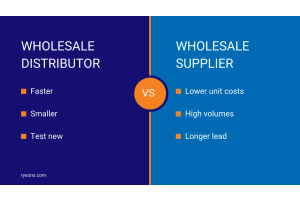
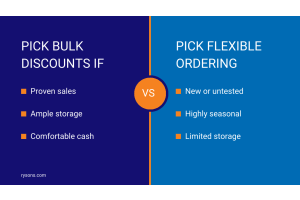
One of the most effective ways to combat rising unit costs is to purchase in larger quantities. Wholesale suppliers often offer tiered pricing, where the per-unit cost decreases significantly with higher volume orders. This strategy not only locks in better prices but also provides a buffer against potential future price hikes and supply chain disruptions. Careful forecasting is essential here to avoid overstocking, but for high-demand, low-perishability items, bulk buying is a clear winner.

Leverage Clearance and Pound Lines
Exploring clearance sections and dedicated pound lines from your wholesale partners can unlock exceptional value. These categories often feature perfectly good products at significantly reduced prices, allowing you to achieve higher mark-ups even with a competitive retail price. This strategy is particularly effective for impulse buys, seasonal items, or as add-on purchases that boost average transaction value.
Diversify Your Product Range with Essentials
Focus on categories that remain resilient even when household budgets are tight. Products for the household, particularly cleaning supplies, storage solutions, and kitchen essentials, are always in demand. Similarly, basic health & beauty items, from toiletries to personal care, are non-negotiables for most consumers. By stocking a robust selection of these staples, you ensure a consistent revenue stream.
Target High-Turnover Items
Identify products that move quickly off your shelves. High turnover minimises the capital tied up in inventory and reduces the risk of obsolescence. This often aligns with everyday essentials or popular, affordable items in categories like toys and games, especially those that offer simple entertainment value at a low price point.
Consider Private Label or Generic Brands
Where appropriate, consider sourcing generic or private label alternatives. These often offer comparable quality to branded products but at a lower wholesale cost, allowing you to pass savings onto consumers while maintaining a healthy margin.
Optimising Inventory and Operations for Efficiency
Beyond sourcing, operational efficiency is key to preserving profits.
Smart Inventory Management
While bulk buying is advantageous, it must be balanced with smart inventory management. Implement robust stock control systems to track sales patterns, identify slow-moving items, and reorder efficiently. Avoid tying up capital in excessive stock that incurs storage costs and risks depreciation.
Minimising Waste and Shrinkage
Every lost or damaged item eats into your profit. Implement strict quality control measures upon delivery, optimise storage to prevent damage, and train staff on proper handling. Reduce shrinkage through effective security measures and accurate stocktaking.
Streamlined Logistics
Work closely with your wholesale suppliers to optimise delivery schedules and minimise shipping costs. Consolidate orders where possible, and explore options for efficient delivery routes if you operate multiple retail locations.
Product Categories Thriving in Frugal Times
Certain product categories inherently perform well when consumers are tightening their belts.
- Household Essentials: From cleaning products to basic kitchenware and storage solutions, these are non-negotiable purchases. Focus on value packs and durable items.
- DIY & Home Improvement: As people defer costly professional services, demand for tools for minor repairs and home maintenance grows. Stocking essential hand tools, adhesives, and repair kits can be highly profitable.
- Pet Products: Pet owners often cut back on their own luxuries before compromising on their pets' needs. Focus on essential pet accessories, food bowls, and basic care items.
- Affordable Entertainment: While big-ticket entertainment items might suffer, demand for budget-friendly toys & games, crafting supplies, and books remains strong, offering escapism at a low cost.
- Personal Care & Health Basics: Everyday toiletries, first aid supplies, and basic personal hygiene products are always needed.
- Seasonal Value: Even in seasonal categories, consumers look for value. Think affordable party supplies or practical garden items that offer long-term benefit.
Pricing Strategies for Maintaining Profitability
Your pricing strategy needs to be dynamic and responsive to both your costs and consumer perception of value.
Value Pricing
Position your products as offering superior value for money. This doesn't necessarily mean being the cheapest, but rather demonstrating that the quality, quantity, or utility justifies the price. Highlight features like durability or multi-purpose use.
Strategic Bundling
Offer complementary products together at a slightly reduced combined price. This can increase average transaction value and move slower-selling items alongside popular ones. For example, a cleaning product paired with cloths.
Promotional Tactics
Carefully planned promotions can drive traffic and sales without eroding margins too severely. Consider "buy one, get one half price" on high-margin items, or multi-buy deals on essentials. Avoid deep, across-the-board discounts unless absolutely necessary.
Transparent Communication
If price increases are unavoidable, consider communicating the value proposition clearly to your customers. Explain any improvements in quality, sustainability, or local sourcing that justify the cost.
Building Strong Supplier Relationships
In challenging times, reliable supplier relationships are invaluable. A strong partnership with your wholesale provider ensures consistent supply, competitive pricing, and often, access to early information on new products or special deals. Communicate openly about your needs and market insights. A good wholesaler, like Rysons, will be a partner in your success, offering a diverse range of products at competitive prices, designed to help UK retailers thrive.
Conclusion: Turning Challenge into Opportunity
Inflation undoubtedly presents significant hurdles for UK B2B retailers. However, by embracing strategic sourcing, optimising operations, and deeply understanding the evolving frugal consumer, these challenges can be transformed into opportunities for growth and increased profitability. The key lies in agility, foresight, and a commitment to delivering exceptional value. By focusing on essentials, leveraging smart purchasing, and partnering with reliable wholesalers, you can not only navigate the current economic climate but emerge stronger and more resilient.
Explore how Rysons.com can support your business with a vast selection of wholesale products designed for today's market, helping you stock smartly and sell profitably.