

Profit-Proof Your Shop: Navigating UK Retail Inflation

The UK retail landscape is currently a challenging terrain. Wholesale B2B businesses, in particular, are grappling with a complex web of rising costs, from energy bills and supplier prices to wages and logistics. Inflationary pressures are not just a headline; they are a daily reality impacting your bottom line. However, rather than simply weathering the storm, savvy UK retailers are actively seeking strategies to not just survive, but to profit-proof their shops and maintain healthy margins. This comprehensive guide will delve into actionable insights, helping you to navigate these turbulent economic waters with confidence and strategic foresight.
Understanding the Inflationary Headwinds
Before we dive into solutions, it's crucial to acknowledge the multifaceted nature of current inflation. We're seeing a confluence of factors: global supply chain disruptions, increased energy costs, labour shortages, and geopolitical events. For wholesale B2B retailers, this translates directly into higher acquisition costs for stock, increased operational overheads, and potentially a more cautious consumer base. The key is to transform these challenges into opportunities for optimisation and innovation.
Strategic Stock Management: The Foundation of Profitability
Your inventory is your most significant asset, but also a major cost centre if not managed effectively. In an inflationary environment, holding excessive or slow-moving stock ties up capital and incurs storage costs, eroding profits. Conversely, running out of popular items means lost sales and customer dissatisfaction. Striking the right balance is paramount.

Data-Driven Inventory Optimisation
- Analyse Sales Data: Go beyond surface-level sales figures. Utilise your Point of Sale (POS) data to identify best-sellers, seasonal trends, and slow-moving items. Understand peak periods and adjust ordering accordingly.
- Implement Just-In-Time (JIT) Principles: While full JIT might be challenging for all wholesale operations, adopting its core philosophy – ordering what you need, when you need it – can significantly reduce carrying costs. Forge strong relationships with reliable suppliers to ensure timely deliveries.
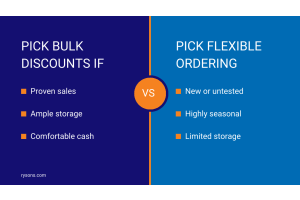
- Optimise Order Quantities: Balance the cost of placing frequent small orders against the cost of holding larger inventories. Look for economic order quantity (EOQ) models that minimise total inventory costs.
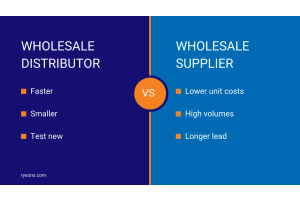
- Review Supplier Agreements: Regularly negotiate with your wholesale suppliers. Can you secure better terms for bulk purchases, extended payment terms, or discounts for early payment? Don't be afraid to explore alternative suppliers to ensure competitive pricing and reliability.
Exploring clearance opportunities can also unlock significant savings on quality products, allowing you to offer competitive prices to your customers while maintaining healthy margins. These lines are often ideal for attracting bargain-hunters and can boost footfall or online traffic.
Dynamic Pricing Strategies: Reflecting Value, Not Just Cost
Simply raising prices across the board can alienate customers, but absorbing all cost increases is unsustainable. A dynamic and thoughtful pricing strategy is essential.

Value-Added Bundles and Tiered Pricing
- Strategic Price Increases: Identify products with inelastic demand where a slight price increase will have minimal impact on sales volume. For sensitive items, consider smaller, more frequent adjustments rather than a single large hike.
- Introduce Value Bundles: Group complementary products together and offer them at a slightly discounted price compared to buying them individually. This increases the perceived value for the customer and can boost average transaction value.
- Tiered Pricing Models: For certain product lines, consider offering different tiers (e.g., basic, standard, premium) to cater to various customer budgets and needs. This allows you to capture a broader market without devaluing your core offerings.
Monitor Competitors and Market Trends
Stay informed about what your competitors are doing. Are they raising prices? Are they offering new promotions? Use this intelligence to inform your own strategy, ensuring you remain competitive without entering a race to the bottom. Utilise market data to understand consumer willingness to pay for specific product categories.
Operational Efficiency & Cost Reduction: Trimming the Fat
Beyond stock and pricing, scrutinise your operational costs. Every penny saved here directly contributes to your profit margin.
Streamline Supply Chains and Logistics
- Consolidate Shipments: Work with fewer, more reliable carriers or consolidate orders to reduce shipping costs.
- Optimise Storage: Ensure your warehouse or storage space is efficiently organised. Poor organisation can lead to wasted time, damaged goods, and increased operational costs.
- Embrace Technology: Invest in inventory management software, automated ordering systems, or CRM tools that can reduce manual errors, save time, and provide valuable insights.
Energy & Resource Optimisation
- Energy Audits: Conduct regular energy audits to identify areas of waste. Simple changes like LED lighting, better insulation, and turning off equipment when not in use can yield significant savings.
- Negotiate Utility Contracts: Don't be afraid to shop around for better deals on electricity, gas, and internet services.
- Reduce Waste: Implement recycling programmes, minimise packaging waste, and look for ways to reduce consumption of office supplies and other consumables.
Enhancing Customer Value & Loyalty: Retain and Grow
In challenging times, retaining existing customers is often more cost-effective than acquiring new ones. Focus on building strong relationships and providing exceptional value.
Curated Product Mix and Experience
- Focus on Quality and Value: Ensure your product offerings consistently meet customer expectations for quality and provide perceived value for money.
- Exceptional Customer Service: Train your staff to provide outstanding service. A positive shopping experience encourages repeat business and word-of-mouth referrals.
- Personalisation: Where possible, tailor product recommendations or promotions based on past purchasing behaviour.
- Introduce Niche or High-Margin Items: Consider adding unique or premium products that offer higher profit margins and differentiate your shop. For instance, expanding your selection of health & beauty items or a curated range of toys & games can attract new customer segments seeking quality and variety.
Diversification & Innovation: Future-Proofing Your Business
Don't put all your eggs in one basket. Explore new avenues to generate revenue and reduce reliance on a single product category or market segment.
Exploring New Categories and Services
- Expand Product Lines: Look for complementary products that your existing customer base might be interested in. Venturing into high-demand areas such as home & garden products during relevant seasons, or essential stationery & books for students and home offices, can open new revenue streams.
- Online Presence: If you're primarily a brick-and-mortar shop, enhance or establish a robust online presence. An e-commerce platform can reach a wider audience and provide an additional sales channel.
- Value-Added Services: Can you offer installation, repair, or customisation services related to your products? These can provide additional revenue and strengthen customer loyalty.
- Subscription Boxes/Programmes: For consumables, consider a subscription model to secure recurring revenue and enhance customer stickiness.
Conclusion: Resilience Through Strategic Action
Navigating the current inflationary climate requires more than just reactive measures; it demands a proactive, strategic approach. By focusing on intelligent stock management, dynamic pricing, operational efficiencies, enhancing customer value, and embracing diversification, UK wholesale B2B retailers can not only mitigate the impact of rising costs but also emerge stronger and more profitable. The retail landscape is constantly evolving, and those who adapt with foresight and agility will be the ones who truly profit-proof their businesses for the long term.
Discover a vast range of wholesale products to support your profit-proofing strategies at Rysons.com, your trusted partner for quality and value.