

Pound Shops: How They Beat Inflation

Myth-busting: How Pound Shops Maintain Fixed Prices Amidst Inflation
In an era defined by fluctuating prices and economic uncertainty, the enduring appeal of the UK's pound shops is undeniable. These retailers, offering a wide array of goods at a single, fixed price point, have become a staple for budget-conscious consumers. But with inflation consistently making headlines, the question on many minds is: how do pound shops manage to maintain their seemingly unwavering commitment to fixed prices? This blog post delves into the strategies and mechanisms that allow these businesses to thrive, even when faced with rising costs.
Understanding the Pound Shop Model
The pound shop business model is based on high-volume sales and efficient sourcing. Unlike traditional retailers who mark up individual items based on cost, pound shops rely on selling a large quantity of goods to achieve profitability. This approach requires a keen understanding of the market, strong supplier relationships, and a willingness to adapt to changing economic conditions. They often source household products, garden supplies, and cleaning products from various suppliers to ensure a consistent flow of affordable goods.
A key element is the ability to identify and secure products at extremely competitive wholesale prices. This often involves purchasing overstocked items, end-of-line products, or goods from manufacturers looking to clear inventory quickly. By buying in bulk and negotiating favourable terms, pound shops can acquire merchandise at prices that allow them to maintain their fixed price point, even after accounting for operating costs and a reasonable profit margin.
Strategic Sourcing and Supply Chain Management
The success of a pound shop hinges on its ability to source products strategically. This involves a multi-faceted approach that includes:
- Global Sourcing: Pound shops often source goods from manufacturers in countries with lower production costs. This allows them to acquire products at significantly lower prices than they would be able to domestically.
- Direct Importing: By cutting out intermediaries and dealing directly with manufacturers, pound shops can reduce costs and improve their profit margins.
- Negotiating Power: Due to the large volumes they purchase, pound shops have significant negotiating power with suppliers. This allows them to secure favourable pricing and payment terms.
- Flexibility: Pound shops must be flexible and adaptable in their sourcing strategies. They need to be able to quickly identify new suppliers and products as market conditions change.
Effective supply chain management is also crucial. This includes optimising logistics, warehousing, and distribution processes to minimise costs and ensure that products reach store shelves efficiently. Investing in technology and building strong relationships with logistics providers are essential components of a successful supply chain.
Product Mix Optimisation: Navigating Inflationary Pressures
Maintaining a fixed price point in an inflationary environment requires constant adjustments to the product mix. Pound shops must be adept at identifying products that can be sourced at prices that allow them to be sold profitably at the fixed price. This often involves:
- Downsizing Product Sizes: One common strategy is to reduce the size or quantity of products while maintaining the same price. For example, a bottle of shampoo might be reduced from 300ml to 250ml.
- Switching to Lower-Cost Alternatives: Pound shops may switch to lower-cost materials or ingredients in their products. This allows them to maintain their price point without sacrificing profitability. They might offer storage solutions in slightly thinner plastic, for instance.
- Introducing New Products: Pound shops are constantly introducing new products to their range. This allows them to take advantage of new sourcing opportunities and cater to changing consumer preferences. They might add new kitchen items or pet supplies based on current trends.
- Discontinuing Unprofitable Lines: Pound shops must be willing to discontinue products that are no longer profitable to sell at the fixed price.
Data analysis plays a crucial role in product mix optimisation. By tracking sales trends and analysing customer behaviour, pound shops can identify which products are performing well and which ones need to be adjusted or discontinued. This allows them to make informed decisions about their product offerings and maximise their profitability.
The Role of Wholesale in Pound Shop Success
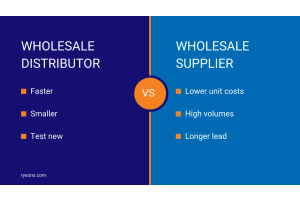
The relationship between pound shops and the wholesale market is symbiotic. Pound shops rely on wholesalers to provide them with a steady stream of affordable goods, while wholesalers benefit from the high-volume sales that pound shops generate. Key aspects of this relationship include:
- Access to a Wide Range of Products: Wholesalers offer pound shops access to a vast array of products from different manufacturers and suppliers. This allows them to diversify their product offerings and cater to a wider range of consumer needs.
- Competitive Pricing: Wholesalers compete with each other to offer the lowest prices to pound shops. This helps pound shops to maintain their fixed price point and maximise their profit margins.
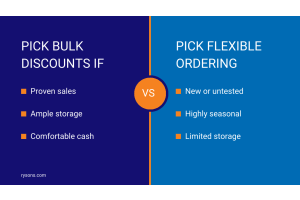
- Bulk Purchasing Opportunities: Wholesalers often offer discounts for bulk purchases, which is essential for pound shops that rely on high-volume sales.
- Efficient Logistics and Distribution: Wholesalers typically have well-established logistics and distribution networks, which allows them to deliver goods to pound shops quickly and efficiently.
For wholesalers targeting the pound shop market, it's crucial to offer a diverse range of products that are both affordable and appealing to consumers. This includes toys and games, DIY tools, and party supplies. Building strong relationships with pound shop owners and understanding their specific needs is also essential for long-term success.
Adapting to the Future: Challenges and Opportunities
The future of pound shops will depend on their ability to adapt to evolving market conditions and consumer preferences. Some of the key challenges and opportunities they face include:
- Rising Inflation: Continued inflationary pressures will make it increasingly difficult for pound shops to maintain their fixed price point.
- Increased Competition: The pound shop market is becoming increasingly competitive, with new players entering the market all the time.
- Changing Consumer Preferences: Consumers are becoming more demanding and are looking for higher-quality products and a more convenient shopping experience.
- Sustainability Concerns: Consumers are becoming more aware of the environmental impact of their purchases and are looking for more sustainable products.
To overcome these challenges and capitalise on the opportunities, pound shops will need to invest in innovation, improve their operational efficiency, and focus on building stronger relationships with their customers. This includes exploring new sourcing strategies, investing in technology, and developing more sustainable products.
Conclusion
The ability of pound shops to maintain fixed prices amidst inflation is a testament to their strategic sourcing, efficient operations, and adaptability. By understanding the dynamics of the wholesale market, optimising their product mix, and embracing innovation, these retailers have proven their resilience in a challenging economic environment. For UK retailers, market traders, and online resellers looking for affordable and high-volume products, the pound shop model offers valuable insights and opportunities.
Browse our full wholesale catalogue at Rysons.com